The life and times of Merry Khaos and her alter-ego, Kristie Grey. A romp through the inner workings of a mind in roller derby athletics, training, and business management.
It’s that time of year: we are less than a week away from the MRDA Championship in St. Louis: River City Rumble. I have taken on the task again of giving the derby world a look at what the can expect this weekend. With the expansion of the tournament to 10 teams, my task this year is more daunting than ever before. I will do my best to keep each article even in length. It will depend on how much I know about each team, though. You have been warned.
Your 10 seed is here by (for them) fortuitous circumstances. The Twin City Terrors are actually ranked #14, but due to a variety of reasons the #10-#13 declined the invitation to Champs. Having done a lot of research for predictions before the rankings were released, I can say that (according to math) TC is as good of an opponent as any that declined. I do not think they will be a dull team to watch.
Usually a pivot, Steve Sweat takes the star against Bridgetown Menace. Photo by Mr. McWheely
This team is no stranger to tournaments, having played in two every year for at least the last three years. This year they had a particularly daunting tournament schedule: 3 tournaments: Midwest Brewhaha, Rolling Along the River, and River City Warm-Up. They lined up 7 times this year against top 8 teams including playing the Gatekeepers and Texas Outlaws twice, and also Bridgetown Menace, Puget Sound, and Your Mom on top of an additional 5 sanctioned games. Since TC obviously has had Champs on their mind, this highly challenging season had to be chosen by design for solidification of team work and to test nerves under pressure. They’ll need that experience for champs: they meet the Bridgetown Menace again in the first round, and the winner will play the Gatekeepers. The loser will play the loser of the Magic City/Aftershocks bout.
But who ARE the Twin City Terrors?
They are a team that has the potential to play like Shock Exchange, as long as they keep up their training and focus. Their walls can grind down jammers when the game is slow, they have far better bracing and positional blocking than I was expecting when I sat down to watch Brewhaha footage. In a sport where players love looking jammers in the eye, Twin City looked as comfortable plowing a jammer to stop as they did tossing a backwards block at them. If there is anything I have learned from watching the WFTDA playoffs this year is that the difference between a good team and a great team comes down to their ability to plow stop. If Twin City can take a note from their WFTDA counterparts and begin to really ratchet down their speed control and recycling, they’ll be in good shape.
TC has been working on their “Great Wall of St Paul”. Photo by Ryan Siverson.
In both their Texas and Puget games at Brewhaha, Twin City came out strong with slow walls, coordinated offense, and a protection of the lines that slowed down Scott Slamilton and Dr. Feelgood. Steve Sweat #808 and Egon Strangler #42 are impossibly fast at the top of the pack. Often they can catch jammers who have a head start, and knock them out of bounds before the end of the engagement zone. At the same time, Timchilla #3 (whether as pivot or jammer) has ridiculous fast feet, and was able to take advantage of the offense given. Derby Monster #00 and Freight Train are the bruisers of this team that also moonlight as seriously effective jammers. In the tournament I watched, jammer penalties (cuts primarily) killed the momentum of a team with many weapons in their tool belt.
Ladies & Gents, Derby Monster. Photo by Mr. McWheely
If Twin City can keep calm and keep their packs together, they’ll do well this weekend. Their blockers are strong, they just have a tendency to get split up when the game gets fast. If they can use what they learned from playing Puget Sound at Brewhaha and apply a pack definition strategy to keep the game slow and at their pace, they will do well. “The Great Wall of St Paul” is what coach Betsy Wrecksie calls it: working together to remove speed from the game and control the other team’s position. Twin City has had the advantage of Wreckie’s experience this season, she was formerly Minnesota All-Star’s head coach in 2014. She knows how to help a team gel.
Baron von Bean #609, Luce Wheel #103, Jamnit Dim #31, and Sampson #66 are the guys you put out to glue the walls together. You may not always notice them, because they are quietly holding their team mates use them as the rock to form around. Recent transfer Ogden Smash #64 will only add to the solidity of walls, being a very smart strategist and very effective at getting in the opposition’s way.
Timchilla does the near impossible in this photo: getting around Bled Zepplin. More proof that the team has the talent for success. Photo by Ryan Siverson.
Bridgetown is also a ‘jack of all trades’ kind of team, so it will be fun to watch these two trade blows in the first round. If Twin City can stay focused and engaged the Great Wall and not allow the bruisers of Bridgetown to split them apart for too long, they’ll put up an excellent fight. Where Bridgetown will have a solid jammer rotation, Twin City seems to come into games a little looser. They have a deep jammer pool and tend to throw in a variety of people ‘to see who sticks’. They may need to call on the power of Freight Train to push through the likes of Cozmo Damage, but keep an eye out for rookie N8s Gonna Nate who made a big impact at Brewhaha.
Coach says of Twin City’s attitude going into Champs:
We’re pretty sure we’re not heading home with a first place medal as we’ve already played the one and two seeds and while it was a welcome challenge – they were pretty one sided games… If we can go as far as to beat [the Aftershocks], I think it says we were supposed to be here at champs even if we weren’t the first choice. Win or lose; we are all extremely excited to be taking part in MRDA Champs and proud to be the first Terrors squad to do so.
Thank you photographers Mr. McWheely and Ryan Siverson Photography for use of photos in this article. Please like their Facebook pages and buy prints from them!
Bench coach Trudy and the Terrors at Brewhaha 2015 Photo by Mr. McWheely
There’s been a “12 Reasons you should watch roller derby” buzzfeed article floating around. Guess what, folks? Some of it they got right! Some of it they got eeeehhhhh…..
So I’m rebooting this blog! It was one my first popular article on Examiner.I’ve re-written some of the explanations, but I’ve kept the headlines the same. 2010 derby or 2015 derby, these are still the 10 reasons you should watch roller derby. (PS Most derby leagues still don’t have seating, so you may want to pick up a Coleman Stadium Seat for your comfort at the game.)
The WOW factor How many of your friends watch roller derby? If the answer is “many”, then maybe there is something to this. Maybe they have an in on something. If your answer is “none”, you can introduce your circle to the fast-growing sport on the planet. How cool does that make you look? Roller derby is a completely unique, high-impact sport that is totally inclusive of age, gender, nationality, etc. It is an international phenomenon that grows every year. In 2018, the third Roller Derby World Cup took place in Manchester, England, hosting 38 countries, including the Czech Republic, Korea, and West Indies. Barcelona is the stage for the third Men’s Roller Derby World Cup in April 2018, where 24 teams, including Japan, Chile, and Denmark will compete. The speed, power, and finesse on 8 wheels is enough to keep you entertained, even if your local team isn’t allowed to sell beer!
Texas took on Missouri in the men’s championship of State Wars in December 2014, with hard hits and fast feet. Photo by Phantom Photographics.
The social works of derby teams Roller derby teams are often non-profit organizations themselves; regardless you will find your local teams out at charity events and raising money for good causes at their home bouts. Tens of thousands of dollars have been raised worldwide for charities. Whether promoting suicide prevention, helping wounded animals, collecting for homeless shelters, promoting love as love, or helping a city rebuild after tragedy, derby has covered the spectrum of charitable causes. The Girls on Track Foundation was founded to keep young girls involved in the sport of roller derby, thus building their confidence, courage, and leadership skills. Locally, our own Tampa Roller Derby is involved with Big Cat Rescue and Girls on the Run,
Athletic prowess These are athletes. Teams practice between two and six times a week, and the participants work out beyond their practice limits. Yoga, crossfit, powerlifting, Spartan Races, aerial silks… the cross-training of roller derby knows no limits.
Impressed by your favorite hockey player doing fancy footwork and scoring points? Wait until you see Lil Slinky of Stockholm duck and dance through the pack effortlessly. Get hyped up by your favorite safety playing all over the field defense? You will love seeing Alli Kat Scratch of the Tampa Tantrums crush the hopes and dreams of her opponents. The feats of agility and pure strength are display at any game (whether it’s the 500-person strong Rose City Rollers or 20 strong Twin City Terrors).
PHDiesel makes a lap for Team Florida at State Wars. Photo by Phantom Photographics.
“Any Given Sunday” Just like in any other mainstream sport, roller derby has the “any given Sunday” mantra. The Oly Rollers came out of nowhere in their first season as a WFTDA* team, and took the Hydra as the underdog. It is possible for any team to sweat and bleed their way to beating a giant of roller derby. Tournament play has seen a lot of international teams come in and shock the world with their undeniable strength. Teams from the United Kingdom, Germany, and Australia have been doing damage in WFTDA and MRDA** rankings the past few years.
Less expensive than a movie date
An American movie date can easily breach $75 (IMAX anyone?), and if you’re counting dinner, you can bet on a night breaking $100. Yes, there are some games that offer beer or full entrees (thank you Charm City). Yes, buying merch from Tampa’s Wrecking Mall might up your final cost for the night. However, most teams still play in roller rinks with small concessions and bake sales. A derby date can easily stay under $30! Derby encourages interaction and conversation, whether you are with one person or a group, and it’s way better than sitting awkwardly in a dark theatre with your Tinder date. Bring them to derby!
Who needs a movie when you can be next to the action? Photo by Phantom Photographics
Community! The roller derby community is a very inclusive place; if it’s a tailgate kind of game (you can check with the league on their event page ahead of time), get a group together and hang out in the parking lot. My first team was notorious for cookouts and beer trading in the parking lot of the Olympic Skating Center before games. Groups often mix and mingle. Don’t know what’s going on during the game? Ask the people beside you (or look for someone with a “Ask me about derby” sign). Regardless of the side you are rooting for, everyone is super friendly and inclusive. You will make friends in the fans, the refs, and the league members themselves. Labels and judgement have no place in our house, so come one, come all!
Direct interaction with athletes
How many sports teams offer one-on-one time with their athletes? Every game and after party is a meet and greet, and leagues host events throughout the year where you can meet your favorite skaters. You can catch up with league scores from those directly involved, and can really feel like a part of the organization even as a fan. Websites like Flat Track Stats even gives you chance to follow how your favorite travel teams are doing, even if the team hasn’t received official sanctioning ranking. With the popularity of tournaments growing in roller derby, keep your eyes peeled to your team’s social media, it’s likely their travel games will be live streamed at some point. Then you can even watch them from home.
Junior derby is gaining momentum! Your son or daughter can play, or you can watch the future of derby at local events. Photo by Phantom Photographics.
Unique characters Mainstream sports are chuck full of big characters, and roller derby does not disappoint. Be warned: It is not make-up and fishnets. It is the heart, soul, blood and tears that they pour into their work that make these athletes into giants and idols. Big characters in derby are the big hits, the big jams, and acrobats on skates. Whether your team matches in black compression pants, or dons old school mis-matched DerbySkinz and stickers on helmets, you will see the personalities on and off skates. It’s not just the skaters that make the game exciting: The announcers of roller derby are some of the most colorful characters you can imagine. Plus they are super knowledgeable about the game, so make friends with them.
You might find a new love Skaters, refs, NSOs***, announcers, medics, and coaches have to come from somewhere. Often, they come from the audience. Fans, friends of the fans, and the munchkins of fans are the future of roller derby. Even if you never end up skating, your support is vital to your league. Being a fan and posting about the games, inviting your friends to the events, watching WFTDA.tv, watching the YouTube archives of bouts… it spreads the goodwill of derby to people outside of the community who may never have heard of derby before. Or, maybe they went to a game three years ago and “have been meaning to return”. Maybe you can be the one to remind them to spend a Saturday night at the rink.
Derby is always looking for more officials to help at games. Skates not required! Photo by Phantom Photographics.
It’s just plain FUN The excitement is infectious. Regardless of your familiarity with the sport, the skill and strength of roller derby pulls you in. It is impossible to resist cheering as your jammer breaks through the pack. Try not to flinch when your team knocks an apex jump out of the air. The more you learn about your league, the more fun you will have each game. BUT the only way to learn more is to actually go!
Calling it off! Photo by Phantom Photographics.
If you have been pushing off attending a roller derby bout, it’s time to get off of Facebook and head to the rink. Friends, excitement, and real social networks await you. Youtube offers some great fan tutorials, or wait until you get there and inquirein person. Spend some time at your local games. You’ll be cheering more than at a Marvel movie, you’ll get closer to the action than nosebleed seats at Lincoln Financial, and you will build relationships unlike anything else you have experienced before.
*Women’s Flat Track Derby Association
**Men’s Roller Derby Association
***Non-Skating Official
Support Khaos Theory by making a donation to the blog today:
Thunder City Derby Sirens Photo by Phantom Photographics
What makes us want to be on a roller derby team?
I’ve been thinking about this topic for months. Tried writing a blog a few weeks ago and I couldn’t actually translate my feels into a coherent written structure. I’m not talking, “Why do we love the sport?” or “Why do we join a league?” But rather, what drives us all to make a travel team? Or be drafted to a home team?
Before my home league’s travel team votes on the charter, each skater gets to talk about what they had to offer, and why they wanted to be a part of the team. It was interesting to hear the answers from those dropping their name in the hat for the all-stars versus the b team. There was quite the difference in theme of statement from one team to the other. I realized that those going for the the all-stars had a much different theme of answer than those wanting to be on our b-team. It got me thinking more and more about WHY we want to play on teams so badly.
If you ask a derby skater why they want to be on a team, the most common answer you’ll probably get is: “I want to play in bouts!” (Or do I call them games in the blog now?) **winky face**
They want to travel. They want to play other opponents. They want to prove themselves. Playing in bouts is a bit about the attention of everyone watching you, but should also be about the practical applications of skills and drills. Bouts are the place we test ourselves against an opponent to see if we have improved. I have been on many teams at this point, and I can say that being in a bout means different things based on the culture your team builds.
Tampa Roller Derby on our way to Texas for a weekend of the derbs.
Some teams value bouts strictly as ranking potential.
Some teams just want to enjoy the fun of the sport; including all that boutfitting, production shenanigans, and after parties offer up as they play against your family from a different city.
Some teams want to try out what they have been drilling in practice, to see how their strength and mobility have improved.
Some teams play bouts just to raise money in their home venue and have their friends and family come and watch them do the thing that they love.
Some teams work really well together on bout day, and everything is low stress and fun.
Some teams may work together, but tension runs so high that benches become explosive.
Maybe a team just has that one player that yells at refs or complains about calls, and because they’re a “superstar”, the behavior isn’t squashed. That behavior spreads to the rest of the team, and the bench becomes a 3 headed monster.
Maybe the bench coach is that one superstar yelling.
Or maybe everyone loves each other and the sport so much that everyone is just focused on the fun of the game.
I should mention that teams don’t always take the time to create a culture. Some are self-aware enough to create a mission statement of culture to promote and strive for. Most derby teams, I have seen, do not even understand that a culture has manifested through coaching habits, attendance enforcement, and superstar treatments. Sometimes an awesome derby culture of fun and support is born organically through individuals gathering for a common purpose. Too often, I have seen leagues succumb to the expectation that certain players get praise and playtime, and those players can do and say no wrong. Everyone else are plebeians and must fall in line and teach themselves.
If you just had an ‘ah-ha’ moment, recognizing that your team has not given itself a Culture Goal (or worse, you’re in one of those cancerous league situations!), maybe it’s time to sit with your steering committee and decide on some core values for the league and individual teams.
Molly Rogers line up against the Rolling Renegades of Sarasota. Photo by Phantom Photographics
Many cultures have this idea rooted into their core values without realizing it: “You will play bouts when you are on the travel team, and we do this to play in bouts.” So the skater immediately begins lobbying for a spot on the travel team, despite dedication. Despite training. Despite safety. Despite their willingness to play on a team. Endgame, we are taught, is: PLAY IN BOUTS.
I have a radical suggestion for you, Roller Derby:
You should not want to be on a team to play bouts. You should want to be on a team to practice roller derby.
Wait, what?
You should want to be on a team to PRACTICE roller derby.
What do I mean?
I mean we need to adjust our mindset.
Bouts are fun, yes. Bouts are what count towards our ranking, absolutely. Bouts are the culmination of our practice time and work together, yes. But it’s just 60 minutes on the clock.
I am not saying we should undervalue bouts, or want to play in them less. Rather, I think we all need to shift focus to being excited for practice time. Most of Roller Derby practices at least twice a week. You are spending far more time with your team in drill, skill, and endurance situations than you are in bout situations.
I do my best to not even worry when my next bout is, because my intensity does not change from practice to practice. I do not show up with different intentions or drive when I know a roster is being decided that night. Every practice is 110%. I pay for this time on the track, so I am going to love it and use it. If I am put on a roster, great! If I’m not, it’s OK because I have practice again Sunday night. I know I won’t be short on derby for the weekend.
Too often skaters put so high a priority on bout day that all they think about is making the roster. They show up just in time, and with just enough intensity to play in the bout. If we could shift the prevailing thought in roller derby to be less “BOUT DAY!!!” and more “PRACTICE DAY!!” think of how many people would value their drill time more? How much would attendance change?
Bout day is a priority because Roller Derby puts an emphasis on it.
To me it is just as fun and invigorating to stop Tazmaniac in a wall drill in practice, as it is to stop her in a bout day situation. Putting our focus on the awesome of practice means more excitement, which means more bodies, which means more opportunities for strategy and teamwork. Which will, unsurprisingly, lead to MORE SUCCESS ON BOUT DAY.
Slayor Moon Rojo Grande, Pup, and Splatypus ready for the Molly Rogers jammer. Photo by Phantom Photographics
When practice time is the center of attention, you can focus on goals as an individual and as a team mate. You can put your energy into what is being practiced instead of worrying about making the next roster.
When your focus is practice, not bout day, you think about your daily cross training differently, and with the mind of making practice better. You know you’re going to be doing five minute jams at practice on Monday, so what can you do on your off day, Saturday, to improve your conditioning for it? Thinking about that every week builds into months and then years of cross training, almost by accident!
When you focus on practice, you get to struggle and laugh with all of your team mates in all the different situations. You get to love the sport and the nuance of the sport.
When our focus is bout day, we get caught up in the spotlight of it. We get caught up in the pressure of performance, but when we focus on practice day, we are all Superstars, and egos are left at the door because no one is watching. When our focus is practice, we work hard for two hours at a time. If we can work hard for two hours, we can definitely work hard for our piece of 60 minutes.
Practice is the proving ground for bout day.
Practice is where we get to push ourselves and learn.
Practice is where we get to high five our family and celebrate victories.
Practice is where we get to tell our friends that bad days happen, and that one bad practice will not equate to a lifetime of failure in the sport.
Practice is where we get to put our head down and do work.
If your heart doesn’t beat with excitement when prepping for training (sometimes up to 5 in a week), why are you in the sport?
Glory should come from within. Achievement should be felt when doing something awesome with your team mates. This is no longer an individual sport. No longer should we put the spotlight on those who have talent, who don’t come to practice or fundraisers or do committee work.The spotlight should be on the weekly warriors who sweat with each other and create the bonds that only practice time can.
Practice IS our sport. I feel like the leagues that recognize and promote that in their culture, have the most success over the long term.
Stop counting down to bout day. Start counting down to Monday.
For coaching and nutrition help for all athletes, or to ask questions, propose blog ideas, or just give feedback, leave me a comment, or drop me a line at DerbyAmerica@gmail.com. I’m always booking league coaching for all levels.
Don’t forget to visit Phantom Photographics’ Facebook to purchase photos and ask him about his cool shirts.
So… my blog has been super quiet for a while. Sorry about that. It hasn’t been for a lack of wanting to write, or for a lack of material. I have about three blogs either outlined, or in the works including “balancing the zebra and the lion”, “creating the plan” (how to schedule your training and why), one about how to overcome the difficulties of transferring, and one about what it means to really be a part of a team.
It’s Why has my blog been quiet? I’ve been back to the life of the “real world”. I’ve lived in three places since I’ve been here in Florida and FINALLY have settled into a little town called Gulfport, and landed me a job at a place called Taco Bus. And quite honestly, when I get home from running around slinging tacos for 6 hours, I have a hard time mustering creativity.
Also, I have been skating 4-6x a week. Monday, Wednesday, Saturday, Sunday I train with Tampa Roller Derby. Currently I’m a blocker on the Bruise Crew and the Black Widows, and I hope that one day my team mates will see enough potential in me to make me a Tampa Tantrum, and I’ll get to wear a shiny WFTDA patch on my jersey again.
Bruise Crew 2015; Photo by Phantom Photographics
Tuesdays you can find me with the Tampa Bay Men’s Roller Derby. I’m officially recognized by the MRDA as a ref (woot!), and technically am TBMRD’s head ref. This rainbows into the other things I do on the weekend. Most Saturdays you’ll find me either making calls and wearing stripes, or you’ll find me playing on Team Zebra.
You can see me in the background there, all disguised in stripes; Photo by Phantom Photographics
When I’m not skating for Tampa, I’m usually at a fundraiser for the Bruise Crew, or a league appearance, or I’m straight up at the gym. I train 3-6x a week; 3 days of weight training, 3 days of conditioning (assuming my work schedule and traffic allows).
What else have I been up to? Well there have a few times that I started to write blogs, and then remembered that I have deadlines to attend to. I’m now writing a column for JAMMERLINE MAGAZINE out of Canada called “Below the 45th, which is focused on US derby. I also have been asked by BLOOD AND THUNDER MAGAZINE to do articles and blogs concerning off skates training. I’m also piecing my book together. I had to rewrite a BUNCH of it since my perspective on training has shifted a lot in the last year and a half.
Mashing it up, and jamming through; Photo by Phantom Photographics
The last piece is Derbalife. I’ve gotten settled in enough that I have started my business of health coaching back up and I’m getting back to my roots of helping people with their NUTRITION. A bunch of us coaches had gone astray and gotten distracted the last few months, but now we’re locking arms and changing the world!
There is another reason I haven’t written much. And that’s because I had gotten a bit discouraged. Over the years, it has gotten more difficult to find photographs to use in my blog. I am not a photographer. I will not pretend to be one with my iPhone. I have too much respect for the craft. But I am also super wordy. ^^^ As you may have noticed. To have blogs without photos to break up the scheme, it’s really hard to read.
I, by no means, want any photographer to feel undervalued or that their work isn’t worth purchasing. That being said, I have been hand washing my clothing for the last 4 weeks instead of going to the laundromat just to have extra money for food, gas, and bills. This blog makes zero dollars. I write because I love to write, and because sometimes people like to read it.
The whole thing had gotten really depressed and defeated honestly. I didn’t want to write because I knew I wouldn’t feel confident publishing without photos. But … now that defeat has gone away. I’m super stoked that Florida has Phantom Photographics down here documenting all of the awesome that is happening.
Photo by Phantom Photographics
Florida derby is expanding SUPER quick, and the competition is getting very high amongst the teams. Phantom is one of the photographers that travels around the state and takes PHENOMENAL photos! MRDA, JRDA, WFTDA; he does it all. He does a lot of portrait work too, which I’ve always been a fan of.
At State Wars Roller Derby; Photo by Phantom Photographics
For those of you from the Northeast, he’s like having a Sean Hale, Prints Charming, Sir Clicks-a-Lot, Rick Odell, or Shutterfly. And he’s super nice. So… Go visit his page because he’s awesome. I’m so happy that he’s letting me use his photos in my blogs, and I feel confident in writing again. 😀 You should buy a shirt from him too. (PS if you’re a photog and you want me to feature any of your photos, don’t be shy in letting me know!!)
If there’s a topic you want to see me cover in an upcoming blog – drop me a line at DerbyAmerica@gmail.com ! Have you gotten your ticket to RC? I’m submitting to teach classes again. I hope to see you there at the WESTGATE!! If you don’t already, follow me on Instagram at KHAOS24FIT
If you say “I can’t do 180 turns” with intention, you will not be able to do 180 turns. If you say, “Today is going to be awesome” with intention, your day will be awesome (yes, even if negative things happen during the day). Your words can change the course of your progress, your game play, your mood, and the attitudes of people around you.
So to use the words “I don’t care” (IDC) is profound.
I hadn’t really thought about it until recently. Now that I’ve noticed it, it sticks out to me whenever I play. In retrospect, I have been combating IDC for years, I just didn’t realize it. When my line is on deck in scrimmage, if no one takes the initiative to start talking, I would begin the conversation. I would be the one to ask the jammer what they wanted from the blockers, as well as asking the blockers where they wanted to position themselves. Sometimes one person would have an answer.
Everyone else would say IDC.
And not the IDC that turns into, “What would be best for this situation?” or “Let’s force everyone to pick a spot and talk about it on the line.” It was the IDC that starts in a passive voice and ends with them turning away to stare vaguely off at the current jam.
These are the IDCs that end in randomly taking lanes, and do not include communication. It is the IDC that ends confusion about who is doing what. Too often, an IDC skater will make very conscious decisions about their plan in the upcoming jam, but will not tell anyone else. They end up playing offense for the jammer, dropping back to clear a line, or running cross track to be a brace, but their neighbors aren’t expecting to cover their lane. Sometimes we can read the lines well enough to adjust on the fly, and most times the whole thing falls apart.
Now let’s talk the mid-jam IDC: Whether on offense or defense, I have experienced skaters using IDC when figuring out power jam strategy. On your home team, hopefully you have designated strats and people with pre-determined roles. In mash ups, you have to learn each other’s strengths on the fly. I have stopped asking “Do you want to play offense?” Instead, I say things like “Outside attacks” or “You and me up lane 2”. Derby moves too quick for IDC and I’ve gotten IDC mid-jam, too often.
Outside of practice, when meeting up with people to do off skates workouts or extra skating, when I ask the question “What do you want to work on today?” I do not appreciate the IDC as the answer. I am immediately taken down a notch on my enthusiasm if you don’t care what you work on.
The moral is: In derby you need to care. If you don’t care, why should anyone around you care? If you don’t care what your position is, why should the player next to you? If you don’t care about your training schedule, why should I? If you don’t care about what’s about to happen in the power jam, why should your team mates?
People are influenced by those around them. Skate A may not want to appear pushy or out of line, so if Skater B states they don’t care what position they play, then Skater A is more likely to also throw out IDC. Now you have two people out of four who FOR SURE do not know what lane they will be in, and thus cannot mentally prepare for the next jam.
Apathy is a feeling that spreads, not dissipates.
If your answer for team play is IDC, eventually it will spread to your drill work, your outside training schedule, and your overall attitude if you do not take steps to combat it. It’s easy to get lazy. It’s easy to stop pushing yourself. IDC encourages the lazy.
It’s is easy to spot: in larger teams those with IDC syndrome often get passed in skill as eager, hungrier skaters pursue excellence. In smaller teams or teams without a proactive coaching staff, IDC can spread through the ranks. You see it first with the all-stars, and it trickles down from there.
Your newer skaters (and officials) keep the league healthy. They are the plankton of the derby food chain.
Just stay with me on this one: new skaters come in and are (usually) less skilled or experienced. They are the little guys. Some will get eaten up (in plankton terms) and leave the league before they certify. A few in each newbie class will survive. They grow bigger and evolve into the bigger fish. If they don’t get eaten along the way (injury, personal issues, league drama, etc) and they develop their skills – they join the top of the food chain. The bottom is wide with plankton/new recruits. The top is narrow with seasoned vets/apex predators.
Now let’s say that top of the food chain carries around IDC.
They are setting an example for the rest of the chain that you can become an apex predator without caring. You can be an all-star by being apathetic along the way. While you may have a handful of skaters sprinkled throughout the league that know how to shield themselves from IDC, you will get the other skaters who become sucked into it.
Why? IDC is easy. IDC doesn’t take any work. IDC is a cake walk.
“They don’t care what they eat or how they train, and look! They’re our top jammer.”
“They don’t care what lane they’re in, so I shouldn’t care what lane I’m in.”
“The all-stars are going this fast.. I could go faster, but they are all-stars, so I guess that’s how fast I should go.”
The apathy spreads. The practices slow. The culture of the team becomes a culture of “that’s good enough.” The direct result of this is that either your plankton are pushed away from your food chain altogether because they want to be around people who care, or you only attract plankton that succumb easily to IDC.
If skaters hold IDC on the track, it will inevitably effect their off the track participation. A skater that says IDC about the sport they love in the middle of a jam, will probably not be the one super stoked to drive to a fundraiser on the other side of town on a Wednesday night. Why? IDC means no investment.
IDC is the draining of passion. It is an internal apathy that is easily spread to others like a disease. If negativity is cancer, than IDC is the flu: feverish, tiresome, easily contagious, and hard to eradicate. It may not kill you, but it sure as hell will slow you down.
How do you fight IDC?
If you are an individual fighting against it, continue to fight with some easy steps:
1) Set goals!
Having a focus of what you’re striving to achieve immediately makes you care more. Set long term goals (6months or a year), mid-length goals (30 days out), and goals for each practice; the smaller goals should fit within the larger ones, like a Russian Doll set!
2) Practice positive self-talk
If you care and have confidence in yourself, then you will hope over the IDC syndrome. It is impossible to be confident and focused yet not care. I like writing positive mantras on my mirrors in dry erase marker. Every time I brush my teeth, I get to read something positive.
3) Grab an accountability partner
Having a friend keep you honest is a great way to keep you both on track and away from the IDC monster. As soon as you start expressing negativity, they can [quietly] help steer you the right way
4) Remember that you’re here to have fun! If it’s not fun, why are you playing roller derby?
If you are an individual and you’ve just had an epiphany that you are part of the IDC virus, practice all the things above, as well as doing the following:
1) Set internal alarms for IDC
When you find yourself saying these words make yourself stop, and ask why you are saying it. Do you really not care, or do you not know another way to express what you’re thinking? If you really don’t care, why is that? Do you feel you are masterful at whatever is being asked, or do you not want to put into the effort of thinking about the scenario?
If it’s a “I don’t want to put the effort in” answer, then force yourself to think about what is happening, evaluate your weaknesses, and pick something to work on. Express that instead of IDC. It is also possible that when you’re saying IDC, what you REALLY mean is IDK (“I don’t know”). IDK is fine! Communicate that you don’t know where you want to go or what you want to work on, and let the other people help guide you.
2) Write down a list of your weaknesses and your strengths
IDC can come from a lack of understanding where we’re at and how to improve. If you know you need to work on your strengths backwards blocking in lane 4, when you’re in scrimmage scenarios you can ask to be put in that situation. Confidence and skill comes from repetition. If you do not know the specific reps you need to do, IDC is an easy answer to thinking about it.
3) Ask yourself if there are external influences for causing the IDC
Money problems, feeling helpless at home, or having a job where you lack order can all attribute to getting to training with an IDC attitude. Can you identify these places where you feel helpless, or have stopped giving 100%? If you can understand, and quarantine, these things in your mind, you can come to each training practice and leave that piece of the outside world at the door.
If you are on a coaching staff that has noticed IDC creeping in:
1) Create a time for a team goal-setting session
If the team has goals together, they are more likely to care about their practice time. Use a half hour of practice time to throw out the goal ideas, and from there have the captains and coaches refine goals for the leagues and individual teams.
2) Have one-on-ones with skaters
This is an opportunity to talk about individual goals, team goals, and also why IDC may (or may not) be present in their life. If IDC in derby is a result of IDC outside of derby in personal life, you may be able to recommend resources to that skater (or official) to help them overcome the apathy or negativity in other parts of their life.
3) Make it extra fun for everyone now and again
Throwing in games and contests to practices and outside trainings can up team morale and friendships. When bonds are strong, people care for each other. When people care for each other, IDC tends to fade.
2015 is just beginning. Caring about things spreads good intention through your training, nutrition, game play, and relationships. Not caring about one thing can bleed into not caring about a whole boatload of stuff, which will set you back tremendously. Go forth and be positive and take on this season with all the courage and consideration you can muster!
Thank you Jessica Shutterfly Andrews for all the photos used in this blog!!
This is not a self-righteous rant against imbibing. If you are over 21, you are more than capable of making decisions. For competitive athletes, it is good to know everything about what you put into your body. How many of us labor over the protein content of our bread, or spend hours deciding between the benefits of certain pre-workout drinks, yet do not know the full range of side effects of drinking. There is a plethora of studies that show that alcohol is altogether bad for an athlete’s progress, so while the news should not be shocking, I feel that it’s important to explain WHY you should avoid that weekend binge.
Side note: I’m not a biochemist. I am translating here the research I have read over the course of my studies and have sited sources at the bottom.
Drinking casually is often seen as a way of relaxing; it’s a social experience. Drinking after an athletic competition, like a derby bout or scrimmage, is often associated in the brain as a reward for a job well done. Many of us in the community have trained our brains to crave the alcohol as a way to bring the body down. We arrive at our after party spot and our sense memory is activated. Suddenly, all we can think is, “And now we order a Water Gap Wheat!” Drinking is also, sadly, part of the derby ‘tradition’. What is a bout or tournament without a raucous after party? How many teams brag as much about their after party ‘wins’ as they do about their ACTUAL wins?
Most athletes are uneducated (or flat out ignore) the biology of alcohol. If more knew what was happening, more might turn down that pint the day before a competition.
Your nutrition can be the reason why your training plan is (or isn’t) working out for you. That’s great that you lift and do plyo 4x a week. However, if you are living on fast food and tequila and expect to escalate quickly to the ranks of the Gods, you need to re-evaluate. The likelihood of you raising to elite athlete levels is much lower on this nutrition plan than someone who is training as hard, but pays attention to the daily macros.
So what’s the big deal about booze?
Did you know that alcohol can effect the body even 48 hours after consumption? While it may be gone from the digestive tract, the aftermath lingers in cells and systems. It can effect rationale, balance, and dexterity.
Alcohol is metabolized differently than other foods. Unlike sugar, fat, or protein, the body has nowhere to store alcohol. It’s only option is to metabolism immediately. So let’s say you are eating food after your competition and have a few shots. The body will place priority on digesting the alcohol to move it along, instead of the food, thereby preventing the body from properly converting food into energy. When calories are not metabolized into energy, they are stored as fat for the body to ‘deal with later’.
Are you not eating anything with your drink (also is not wise, but let’s just pretend for a moment)? Unless you’re taking straight shots, your drink will have additional sugars and carbohydrates that will also not be processed into energy; this is Beer Gut City. Though to be fair, if you’re taking straight shots at the after party with no food in your system after you have competed… there may be a secondary discussion that you need to have with your coach.
Spring Roll 2014 after party
Along with inhibiting metabolism, alcohol saps away Vitamin A (which is the driver of the immune system bus) and Vitamin C from the body. These vitamins are critical in many cell making processes, not the least of which is protein synthesis and new muscle cell creation. Calcium is processed from the body at twice its normal rate during intoxication. Remember, vitamins do not just live in our system. Like food and water, our body absorbs vitamins, uses them, and then needs more. Basically your body burns through calcium way quicker than normal when you are drinking. Women already have trouble absorbing this nutrient, so putting yourself at a further disadvantage is not a wise choice.
Calcium does not just “make for healthy, strong bones” [though it does, and roller derby is a contact sport so let’s not weaken our skeletal structure more]. Calcium helps blood to clot, wounds to recover, and helps to regulate in muscle contracts, like the heart beat. Wound recovery happens after every hard training session. Your muscles are not just sore from a magic chemical in your body, you are sore because you have damaged muscle tissue. You build muscle when your body repairs that damage.
The moral of this story: muscle and tissue recovery is directly effected by alcohol consumption. If your body is lacking the ability to repair itself because of a lack of calcium, you will not get stronger. Also, for as sore as you were going to be anyway? You’ll be sorer, and possibly for a longer period of time.
Dehydration! Every athlete’s least favorite word.
The kidneys and liver are key in the metabolism of alcohol. In order to assist the kidneys, the body diverts water from other parts of the body to flood these our kidneys. All athletes should understand the importance of water to their health and recovery processes: water keeps cells healthy and replicating properly. We are 70% water and even without the alcohol, most of us do not drink enough water.
The liver is what produces glycogen. When it is busy metabolizing alcohol, it cannot be producing the regular rates of glycogen. It is glycogen that the body relies on for most bodily functions.
It is the glycogen that brings energy to our muscles, but our source has been disrupted. This is the metabolism-inhibition process. To make it more fun, without the hydration and glycogen, the byproducts of lactic acid will build up in the muscles. It is that acid that causes the “burn”, and the byproducts that cause the DOMS. If you drink days before your competition, fatigue will occur far quicker. If you drink after your competition, your water intake will be diverted from your muscles to your kidneys, glycogen will not help you to continue to have energy in your muscles to make new cells, and the vitamins will not be there for the wound recovery anyway.
See how it’s all tying together?
In the realm of cognizance, most know that alcohol impairs the brain. In what way, and how quickly though? Since alcohol is so quickly absorbed into our systems (about 20% while in the stomach, the rest while in the intestines), the effects happen within five minutes of ingestion. So that “one for the road” that people do is a really bad idea, regardless of training status.
What basically happens in the neurological system is this: Neuron receptors in the brain are numbed by the metabolized alcohol, which reaches your brain as acetate (yes, acetate, the same stuff we old timers used to develop film). The alcohol slowly shuts down the cerebral cortex, the center of the brain that is in charge of functions like rational thought. In its place, the limbic system calls the shots to keep things running. This is the most primitive part of the brain. It is purely emotional. It is the reason your friends take your cell phone away from you after you begin drinking Mojitos.
Aside from placing beer goggles on you, the shut down of the cerebral cortex means that you have lost some control over your balance, reflexes, and dexterity. Do you really want to be lacking these three pieces of the puzzle the day before you play a bout?
Oh and just for funsies, here’s another great side effect. Alcohol in the blood stream causes blood pressure to go up, causing abnormal heart rates and changes. Also, the synthesis of cholesterol increases when you have alcohol in your system; so more cholesterol is finding its way to the heart than normal. Yes, more of that blood pressure stuff.
Ever drink a couple days before a practice and your cardio conditioning is shot? You feel like your head is pounding and your heart is racing the whole time? That would be from that elevated blood pressure. Plus the dehydration. Plus everything else we’ve talked about.
But wait! You say ABC News told you beer is great after a workout? It’s “more hydrating” than water? That’s what you’re going to write in the comments, right? Yes, beer has grains that would, in theory, help the carbohydrate replenishment your body needs. Yes, booze does spike your blood sugar the way sugar does (and the way your body needs to begin the processes of repair).
However, the ALCOHOL in beer will dehydrate your body, and it will inhibit testosterone secretion.
Ladies, you may think you don’t need test in your system, but you do! We all make testosterone naturally and lifting weights will increase the testosterone production. So guys that suffer from Low T? Try a few months of 5×5 stronglifts before reaching immediately for medication. Ladies that are low on sex drive? Let’s get you deadlifting!
What else does testosterone do? It not only increases the size of muscular cells, but also encourages the production of new muscle cells (Greenfield). Larger cells means an increase in power capacity. More cells means greater power and quick-twitch strength (Greenfield).
So …. what?
So consuming alcohol even semi-regularly, will have an adverse effect on training and progression. It slows muscle recovery, makes cardiovascular endurance harder to build, decreases the rate of muscle cell production from normal rates, and keeps the body from performing normal functions.
Drinking a few days before a game could change your performance the day of competition. Drinking after a workout could negate some of your progress for the day.
Will having a drink destroy everything you have worked for? Absolutely not. However, exercising true moderation and limiting your consumption will have visible results whenever you lift, run, or compete.
To help combat the effects of your favorite beverage, make sure are properly hydrated throughout the day. When in doubt, drink a gallon. That’s my motto! To keep it up with booze, drink an extra 12 oz of water to every 8 oz of liquor (or equivalent). Take vitamins throughout the day, and eat plenty of leafy green veggies.
The best combatant is to not make drinking a habit, or drink alcohol at all.
Like my EAT BIG PLAY BIG notes, this is not going to be a verbatim dissertation of what we went over, but more the bullet points of things we talked about and maybe some WHYs involved. We talked about nutrition too, but because I have my notes posted from EBPB up and running, why don’t you just check them out and get the full picture of the athletic nutrition.
WHAT I MEAN BY LIFTING WEIGHTS
Big lifts – Build all over strength and power, utilizes the full bar
Barbells – Build stabilization muscles and helps support big lifts, small movements, and quick twitch.
Free Weights – Barbells and bars; your body must do the work to keep things in place
Plate/Smith Machine – Training wheels; no real accurate measure of weight. Some plate machines are useful (like the leg extension) but usually you can pass by these.
Cable Machines – The baby of free weights and plate-loaded; there is some stabilization work done here.
Free weights and cables should be used as your supplemental workouts. Like your vitamin and protein supplements, they are the extra stuff you do to support the mainline of work. They should not be your primary form of ‘weight lifting’. Mostly because you’re not really lifting weights when you do them.
WHY SHOULD YOU WEIGHT LIFT?
The easy answer is: Because you play a contact sport.
Gnat King Kill getting it done. Strength effects speed and control. It allows him to deal with fast skaters and bigger blockers.
Show me one contact sport that does not require their athletes to weight lift. If your coach tells you to do dry land drills, do you question? No. You question weight lifting because it’s different and new and super difficult. The resistance to lifting in roller derby is not because it’s not helpful or proven to advance skaters – it’s because it takes more effort to do it. And, honestly, it can be intimidating.
From the physics standpoint think of this reason why you should weight lift:
If you can only squat 130 pounds, that means you can only push that much weight (approximately) into your wheels. If you have someone who is 170 pounds hitting you, but you can only respond with 130 pounds – who is going to win?
This is a very basic, crude example, but hopefully you get the point.
Why bench press? I learned during Beat Me Halfway that if you have Magnum PIMP doing truck-and-trailer with you, your arms and core better be able to hold up to the resistance he’s giving you. If he then directs you into a full-speed Screecharound, your arms and body have to be able to deal with as much power as he’s putting into you to transfer to your skates, to transfer to Screecharound to take him all the way to the line.
Arm strength has just as much a place in derby as leg strength these days, as illustrated by the Mass Maelstrom blockers. Photo by Tyler Shaw – Prints Charming Derby Photography
PHYSICS!
(and also, I was so sore the next day)
If you can push a sled with 150 pounds on it, you can push through a link giving you 100 pounds of resistance.
WHAT IS CONDITIONING?
We talked a lot about lift days verse conditioning days.
Your lift days are just that. You’re picking up heavy weight. Your conditioning days involve cardio work, particularly HIIT. This is your tire flips, your hill runs, your wind sprints, your heavy plyometrics. If you do Crossfit, those WoDs should be your conditioning days … so the extra days. WoDs every day will not build your strength the way lift days will.
Myself and McJagged picked up heavy things and moved them around, jumped on walls, and moved around kettlebells for conditioning work
WHAT DOES THIS FEEL LIKE?
Like with derby, we have to adjust to a new feeling when we start weightlifting. If you’ve done plate machines in the past, then you are not used to what it feels like to have 180# on your back, or to pick up 200#.
It feels heavy. It feels miserable sometimes. It feels like you might hurt yourself. Just like it feels when you’re doing a new advanced skill on roller skates. Like those one foot “chomps” or one foot plows.. Picking your foot up and putting it down in front of you, with your toes turned in and your knees touching? That’s terrifying! I was sure I was going to break my leg. I didn’t. And you won’t break your shit just because it feels heavy.
It’s supposed to feel heavy. That’s the point.
DO I NEED SPECIAL GEAR?
Not necessarily.
I wear knee wraps because I can feel things shift around in my right knee when I squat and it’s weird and I don’t like it. With lighter weight, you don’t need belts, wraps, wrist grips. As you start lifting, talk to people around you about the gear they have. You’ll learn when you’ll need to get a belt, or if you want to get gloves.
Wear flat shoes or no shoes. Those weird toe shoes? They actually work really well for lifting. So do Chuck Taylors. So does nothing. Just like you wouldn’t buy Bonts for your first pair of skates, you shouldn’t go buy the special fit lifting shoes before you start lifting.
WHAT ARE THE LIFTS I SHOULD DO?
No questions asked you need to do:
Squat
Deadlift
Bench Press
Lifts that I think you should incorporate:
T-bar Row
Front Squat
Hack Squat
Incline Bench
Sumo Deadlifts (or Sumo/Russian)
Upright Row
Overhead Press
WHAT SUPPLEMENTAL LIFTS SHOULD I DO?
This one is tough. It depends on your programming. Ones that I make sure I incorporate:
Leg Extension
Glut-Ham Raise
Pull-Up
Hanging Leg Raise
Bent Over Row
Lat Pull Down
Seated Row
WAIT – HOW DO I KNOW WHAT TO DO?
Guess what? More reading for you!! What I recommend to EVERYONE is to pick up Mark Rippietoe’s “STARTING STRENGTH”. There is an app you can download called 5x5Stronglifts that will help you through the whole process.
Here’s the idea that I can pass on to you that I started with… 5×5. So you’re doing 3 lifts each day, 5 times, 5 reps. This does not include your 5 rep warm-up. When my plan was set for me, we did one lift for the upper body, one for the back, one for the legs.
I then did 1 or 2 supplemental lists each day (unless I was crazy spent). Getting someone to help you set up a training plan around your skating schedule is awesome. I had a couple people helping me along the way. And don’t be afraid to tweak your schedule as you progress. After your first four weeks, you should be in a routine, but before that it’s ok to move things around and figure out what works best for you!
Learn form on your own through the BUFF DUDES series. They’re really a great, short series of tutorials.
HOW DO I KNOW HOW MUCH TO LIFT?
Again, having a friend that knows lifting is helpful here. If you don’t, go to your gym and find the biggest dude or lady who is both strong in the upper and lower body (or ask someone at the desk of who to ask), and humbly request help.
Think of it this way: If someone came up to you at an open skate and said, “Hey you look like you know what you’re doing. I’m trying to get into roller derby, but I don’t know how to plow stop, can you watch me real quick to help me?” You’re not going to tell them to fuck off. Lifters feel the same way about their sport. I promise they’ll be nice to you.
Step one is to find your personal record (PR), also known as your one rep max (1RM).
Do not plan on doing your 5×5 during max days. You also shouldn’t try to max out multiple workouts for the same body part. For example, don’t try to max out back squat and front squat on the same day.
To max out, do your warm up weight (people can help you figure out what that would be… for me, my deadlift warm up has ALWAYS been 135#, and my squat started at 100#, bench was 45# … these are good starting points). Do 5 reps. Your buddy can help you go up in weight. Do 3 reps. Then up in weight and do 1 rep until you can’t move it. Boom. 1RM.
Plugging these maxes into your 5×5 Stronglift app will create a nice little “oh this is what I lift today” guide for you. You can contact me if you want something more specific.
You call it extreme, I call it “what it feels like 185# on my back”
SO I JUST LIFT FOREVER NOW?
Things can change up, but yes, now you just lift. In a 5×5 program, I do like incorporating a deload week either on week 5 or 6. A deload week is when you do your lifts, but at 50% of your max. It gives your body a chance to recoup.
When I first started this program, I was going up in weight for some of my lifts each week, not up for others. The stronglift app helps you with that.
Setting goals will help keep you focused and your training tight so that way you don’t get bored.
OTHER NOTES
You will plateau. You will have bad days at the bar. It happens. Just like derby. Sometimes you have enough sleep, you’re hydrated, you’ve eaten enough, and you just can’t squat the bar the way you did the week before. It’s ok. It happens. Seriously.
This can be new and can be scary. Just like derby. Don’t be put off from lifting by yourself because “You don’t want to hurt yourself”. There is just as much risk for injury in this sport as others. If you play derby, you know that you can have someone there with you, you can be in the process of being coached, and you can do one thing and still hurt yourself. Don’t fear injury for the sake of fearing injury.
You are probably not going parallel on your squats. If you have never squatted before, start with BOX SQUATS. Your new gym bro can find a good box for you. It should be low enough that when you sit on it, your legs create an angle lower than 90 degrees.
Your back is going to hurt. That’s because this will be the first time you’re fully using your back for a lift. All the time I hear “Oh man, my low back hurts! I must not be deadlifting right.” Or you’re deadlifting exactly right and you’re using muscles you never have before. Your back is going to hurt.
If your back is weak, your squats will suffer. “What?? But squats are a leg lift!” Yes, but the bar is on your back. So if you can’t support the bar, you can’t squat it. It’s possible that your squats may be lighter than what your legs can handle at first, because your back is not strong enough.
RECORD YOURSELF SO YOU CAN SELF-CRITIQUE AND GET NOTES FROM FRIENDS. It seems super narcissistic, but you can correct between sets sometimes! You can send the video to your friends from around the country and say “Hey is this parallel?” or “what am I doing wrong?”
When you’re lifting, EYES UP HIGH! Pick a spot towards the ceiling, look at it. Do not look side to side. Keep your weight on your heels, you should be able to wiggle your toes.
I think that’s about it!
Drop me a line if you want some extra help or have other questions about setting up your program. Your offseason program is going to be different than your in-season program, so I can help you with that stuff too. When in doubt, read books! 531, Beyond 531, and Starting Strength are the ones that have been recommended to me. Drop me a message at DerbyAmerica@gmail.com with questions or if you have anything you want me to address.
Two time MRDA champion, Your Mom Men’s Roller Derby is a collection of some of the most talented skaters in the world who also just happen to be phenomenal at roller derby. Disclaimer: I talk about roller derby pretty real at a couple points in this blog. This is not meant to make anyone #butthurt (as Elektra Q Tion would say), but if a blog about derby can’t say it, who can?
Your Mom is known for fast skating, and intense walls. When you watch them, they are not hard hitters – they don’t have to be. Their non-verbal communication and self-awareness is so sharp that if they rarely have to hit opponents to contain them. Their work is smooth and effortless. Hits are not short strikes, but rather elongated motion that carries the intended target out of bounds, or drives the target behind the blocker’s hips. Edges, edges, edges. Study it. Their bursts. Their control. Their awareness.
Against Mass Maelstrom at Spring Roll. Photo by DeFord Designs
Your Mom knows what you’re going to do before you know what you’re going to do. They aim for where you’re going, not where you are, and they rarely have to catch the jammer, because the jammer is so commonly ensnared in their net.
How do you know that their blockers are interchangeable and their rosters fluid beyond measure? Think about this: Who are their big hitters and which jammer has the best differential? Sure, Seahorses Forever and Sugar Boots stand out because of their height. Yes, everyone knows Frank NotsoHotra. Otherwise it is hard to picture any skaters that are exceedingly more important than the others. On every other team you can look at a line up and pick out ‘key pieces’. Sure, every team SAYS they don’t have any players that are more important than the rest, but we all know that’s not true.
Close the gap. Photo by DeFord Designs
Double Excel. Magnum PIMP. Jonathan R. Szabo. Dilly Dally. Speed Dealer. Cozmo Damage. Shreddy Mercury. Richard Gaudet. Wes Turn. Sutton Impact. Reaper. Keith Rucker. TJ Binkley. Are these the only players that matter on their teams? Absolutely not! Do you want to beat that their teams would be a tad concerned about overall performance if one or both of these skaters were missing from the line up? Yes, I honestly think so.
On Your Mom they don’t have to worry about it as much. No Cleveland Stever? You’ve Dirty Larry. No Tony Muse? You got Dante Muse. No B Stang? You got Rollomite. No Sugar Boots? You’ve got Seahorses Forever. No Lily Pad? You’ve got Suicide Snow Cone. You getting the idea? There is no one on the roster that Your Mom can’t respond to with a “But we’ve got these 5 people that CAN do it”. And they have up and coming skaters that they’re training so that the tradition of winning continues.
Frank Notsohotra – commonly referred to as “The fastest man in roller derby.” Photo by DeFord Designs
“But Khaos!” You say, “You can’t really appreciate Your Mom.” (giggle) “They fly in all their skaters!”
Untrue.
There are 3 remote skaters that I know of. And by “remote” I mean living more than 3 hours away. And even if there were more, so what? Charm City, Philly, and Tampa Bay Men’s (for example) all have skaters that travel upwards of 3 hours to play with their teams. Those skaters could play for Charlottesville, or Suburbia, or Brevard Area Men’s, but they have chosen a different league and has made a commitment to the league of their choice. It is a hobby, we don’t get paid, so why should anyone feel that they are not allowed to play with the league of their choice? Why do we not hear about the skaters that travel across state lines to be a part of PRG or CCRG or TBMRD?
Because they’re not world champions.
As soon as a team starts winning division titles (Oly) or champs (YMMRD), suddenly it’s an issue. Jack Hammer’d lives in South Carolina (everyone in the MRDA knows that he moved, so I’m not exactly revealing a scandal). He is here with Maelstrom this weekend. Why? Because he fulfilled the attendance requirements set forth by his league, and thus qualified to play at Champs with Mass Maelstrom. Here is your tiny bit of beeswax so that you can mind your own.
And guess what? We saw from the WFTDA championships in previous years that sheer talent doesn’t win titles, teamwork, and practice time does. Your Mom Men’s Roller Derby has teamwork, communication, and ‘synergy’ (that’s for you, Austintatious). That doesn’t come from a bunch of people randomly showing up on bout day and not ever practicing with one another.
Positional control. Photo by DeFord Designs
This weekend is going to be tough for teams to oust Your Mom as champions. Many of the men on the roster are very accustomed to a sticky hardwood floor like that of the Tacoma Armory. Several of the skaters were GLOWING at the opportunity to play Champs on such a surface.
Every team that faces Your Mom is going to have to bring the strongest walls, the ability to multitask, awareness like woah, and the endurance of a Champion.
Check out YOUR MOM (giggle) on Facebook to get continually information about them. They play Denton County Outlaws in the opening bout of the tournament at 9a PST on Saturday. Yes. That means in about 9 hours. Get some rest, and if you’re not in Tacoma check it out on WFTDA.tv! Thank you DeFord Designs for all the photos in this article. Hey Photogs! YMMRD needs more pictures taken of them next year. #JustSayin #BloggerinNeed
How the hell do you run practices when your league has practicing membership from Level CobraSnake to Level NewbornFoal? THIS is the biggest question asked across the world by coaching committees in roller derby right now. How can we keep our vet skaters challenged and satisfied with the training process [so they don’t transfer out] while bringing new skaters up [quickly] to a level to be able to play with those vets?
I had such a huge response to the blog I posted two days ago, about League Rebuilding that I wanted to make sure that my blog about training the leagues that are rebuilding went up quick!
There are fundamental corners to The House that Derby Built: Skills, Teamwork, Strategy, and Health. Without one of the corners, the house will not fall, but it will lean a little funny. Without two of the corners, you don’t have much of a house.
TESTING THE FOUNDATION
First you need to understand where your league is at with each of these fundamental pillars. The first step is to take an honest look at where each skater is individually and as a league. For Skills and Health you can actually do measurable tests to help you with your mapping process.
Set up a practice to set benchmarks and test skills, and I would recommend asking coaches from nearby leagues to come in and help with the ranking process, since the will be more impartial in the process. Create a list of skills (crossovers, one foot glides, lateral motion, hip checks while moving, jumping, counter blocking, 180 toe stops, blocking to the line, etc) and have them ratable 1-10. Move your way through drills, as you would when doing a certification, but make sure you have more advanced skills on the list than a strict certification process.
For Health, you simply create a list of ‘events’ like a football combine. You can test squat strength, bench strength, 100 yard dash, 400 yard dash easily. You can create short ‘obstacle courses’ and time each player through it while rating their cuts, bursts of speed, jumping, and footwork. You can do one foot balance, long jumps, pull-ups, or anything else you think would be applicable to strength and endurance needed for derby.
Once you have your 1-10 data points you can put them into a spreadsheet and simply create a point chart! Boom. You now know where people are. This is not to make anyone feel bad. This is simply a way to benchmark individuals so that the training staff can develop upcoming practices and make recommendations about cross-training. This information is also a great starting point for goal setting! Part of setting goals is that they have to be MEASURABLE. With benchmarks in hand, captains can meet with skaters to create a real list of SMART goals for the skater to focus on in upcoming months.
To benchmark Teamwork and Strategy is harder. Teamwork, though very easy to see the presence (or lack of) teamwork, it is not easy to quantify. You may want to ask those coaches to come and observe your team in a scrimmage against another league to rate overall Teamwork and Strategy. When you map, you will not be mapping for your team, but you will be mapping for groups of skaters, or the team as a whole.
Things to rate from 1-10 in Teamwork could be: Proximity of skaters, holding lanes, communication, mobility of walls, awareness, recycling, and protecting edges.
Things to rate in strategy could be: Offense, O to D/D to O switch speed, Bridging, Jam line start, power jam defense, preventing recycling. Watch some bouts and make notes of how to describe strategy and teamwork and create your list to test (use the words and ideas that I listed as your example).
CREATING THE PLAN
After you map the data, you can analyze it with your training staff. You’ll be able to see weaknesses very easily. Data doesn’t lie. Create the charts however your brain can deal with the data. After playing around a bit, I decided that I like the bar graph, since I can see distinct lines across. I just made up a mock chart for an example (I picked derby names at random, I didn’t actually rate people on things).
From looking at the chart, you can see that some people have strengths, and some have extreme weaknesses. You do not want to use those as your focus. You want to teach to the median weaknesses. Note: This does not mean ignore the strengths, it just means you now know where to focus more of your training energy. Looking at this chart, I immediately notice that NO ONE has even a 7 on narrow plows. Next thing I see is that while we have a few people strong at left foot plows, the rest are not, and no one is strong at right foot plows.
If you have a team that is primarily new skaters, and you are noticing that in the corners of your house, the median score is 1-5 in most areas, than grade on the curve. So you can’t look at the data and go, “Oh man, there are only a couple 7s. WE MUST FOCUS ON EVERYTHING.” Right, ok, so, bring the top grade to 7 and look at the skills from there. If 7 is the top and you’re noticing some skills have more 4/5s and others have more 2/3s, focus on the 2/3s.
You do this with all four of your pillars. Identify your team’s overall weaknesses.
THE EXCUSES
“But we have too many new skaters to do this!” No. No such thing. If your skaters can’t complete skills they get a 1 on the scale. That’s it. Everyone can run, lift, jump on sneakers.
“But we don’t have any place to do the off skates benchmarks!” Really? You know that? I just suggested it and you’re already coming up with an excuse to not do it? Have you called the gyms in your area and asked about it? Tell them what you want to do. Offer them advertisement in exchange for use of their gym to do benchmarks. They can be the “Official Combine Location of the Blankety Blank Roller Vixens”. Local, privately owned gyms or franchises are the best place to start. You may want to approach CrossFit gyms about it, because they’ll usually have sprinting space too, and some of those coaches have experience in combines.
“But we already spend so much time at derby, we don’t have the time for this! We know how our skaters are, can’t we just use what we know?” Cancel practice for a week and do this. If you want to improve and you’re serious about focusing your training program, you need to know what you’re working with and you need to have an OBJECTIVE view of where you are starting. Without data, provided with the help of people who don’t know you from Adam, all you are doing is continuing old habits. Your current training is based on what you think you know about your skaters. Chances are your advanced skaters are not advanced. Chances are your fresh meat have skills you didn’t realize.
“But we’re not Gotham or Bay Area. We don’t need to train like a D1 WFTDA team.” Well I will respond with a Vince Lombardi quote:
“If it doesn’t matter who wins or loses, then why do they keep score?” You don’t have to be a D1 team to want to be successful or to train to be successful.
What it comes down to is that this is new, and new is scary. What it also comes down to is exposure. Exposure is scary. Skaters (especially self-proclaimed ‘vets’ and those who like to pop into practice when convenient) do not like being told that they need to improve at something, or that the ‘lowly fresh meat’ is actually better than them at a skill. This is not about belittlement. This is about recognition and understanding. Without it, you cannot move forward.
DON’T FEAR TO START AT THE START
If you have to grade on the curve, and you have noticed that you have that moment of “We have to work on everything”, then step one is take it back to the beginning. Begin training the TRUE fundamentals for individuals and teamwork: The mechanics of roller skating & speed skating New derby position (tailbone tucked, feet shoulder width)
Toe stop & duck runs
Holding a lane
Skating without using your arms or looking at the floor
Skating in a pack
Pace lines & Speed control
Lateral motion/Laterals using edges & leading with your knees Carves (short and long)
Narrow & One foot Plows
Stopping with edges
Making a wall
Moving as a wall
Anatomy of hitting Sticky blocking
Transitions both directions
Communication & awareness while in motion
This is the start. These are the building blocks. You cannot do a box drill if skaters don’t know how to control their speed and skate close to other people. You cannot do a weaving pace line if your team doesn’t know how to do a basic pace line. This is your first check list. And honestly? I probably missed things. (I have walked away from this list and come back to it several times.)
Old derby position (l) – Butt out, weight middle of the feet/heels; New derby position (r) – back straight, tailbone tucked, feet hip to shoulder width apart You won’t be as low in new derby position, but you have more mobility from this position, and a stronger stance for blocking and walls
“But my vets will be bored!” No, they won’t be. In any drill that involves team play, the vets should be focused on helping their team mates cover lanes, maintain position, and work on speed change. The vets need to be the coaches through the drills with the new skaters. For any individual skill, the vets need to be focused on cleaning up their own abilities. Encourage the vets to work on precision, quickness, reaction, depth of skill, and visualizing they’re in a game situation.
Your vets can plow? They should work on plowing narrower, sharper, stopping quicker, keeping their hips more square, their back stronger, and their head up and looking around while doing it. Your vets ‘know how to roller skate’? Encourage them to make their stride deeper, lengthen their pushes, and focus on breathe work and mental tricks as they go around the track that they can access during game play to calm themselves.
***THERE IS NO PERFECTION IN ROLLER DERBY***
Every skater needs to review and practice these fundamentals. These building blocks are not things to check off a list and never visit again. I recommend revisiting these fundamentals often, even after every skater on your crew can rank at an 8+ with them.
NOTE: Every skater is responsible for their own progress and should be empowered by their team and coaching to take responsibility for practicing fundamentals on their own time as well as whatever happens in practice. Just like with the health section at the end of the blog, it is not the coach’s responsibility to mother each skater to make sure they are keeping sharp on their skills on their own time.
DO NOT COACH DOWN
Just because you are working on fundamentals, it does not mean that you need to treat your skaters like 5 year olds, or offer them drills that do not challenge them. Create drills that push your new skaters. Do not assume that because they are fresh, that means they are incapable. Keep your pace lines challenging. Do not skip a drill that works on something that needs to be addressed because someone thinks the fresh meat won’t be able to do it.
When Mystery Violence Theatre came to HARD she couldn’t stand on her skates. Through coaching confidence & her own hard work, she now skates for Gotham’s Wall Street Traitors & Bronx Gridlock. Photo by David Dyte
You do not get better unless there is a challenge. Making drills JUST above the median level or intensity will push your largest faction of skaters. Dotting in more advanced drills or more basic drills, will keep everyone confident and working hard.
For example:
Let’s say you are working on edgework! You can start with carving long and slow and then short and sharp. Time these for about three minutes, with all skaters moving around the track.
Next, put dummy blockers around the track, facing proper derby direction, near the inside and outside lines. Have them stand NEAR the line, but with some space. Have your skaters carve between the blockers and the line, showing their back to the blocker as they go through (they’ll have to twist their body). After everyone has done it for a few laps, have the dummies take an extra step away from the line, and have skaters get by them by bursting past with a 3 step duck run (which utilizes edges).
For newer skaters, put bodies about as far away as the green cone. For the more advanced skaters, go with the red.
Then put obstacles in the track – one in the middle of each straightaway, one at either end (trashcans or chairs work great). Have skaters rolling and approaching the object, then bursting around the object with the 3 step duck run. They can challenge themselves to get as close to the object (without touching it) as they can before they burst around it.
After this, bring the practice back down by practicing lateral motion, leading with the knees, from line to line across the track. You have started with something very basic, upped the intensity a few times, and then brought it back down to a lower intensity, more precision-based drill.
So the moral of the story is – don’t think that your new skaters can’t do it just because it’s harder. You can always offer ways to adjust a drill harder and softer to accommodate for all skaters.
MIXING LEVELS IN PACKS
“Do we have levels mix together in drills?” Yes and no. I will define who skaters should get with as we progress through a coaching plan. This is something that the coaches need to decide. I will say “vets with tots” or “Get with someone of your skill level” or “find someone on your home team” to define who I want them to work with.
You may want to rotate skater partners too, so that way the newer skaters get the advantage of in-drill coaching. Don’t be afraid to spend a longer amount of time on drills and skills. You do not have to rush through practicing; it’s through repetition, repetition that our bodies learn. It takes 5000 SUCCESSFUL repetitions to establish muscle memory. Let them practice in mixed levels, then switch them to equal levels to allow themselves to push and challenge each other.
LESS IS MORE
Less talking, less complication, less spending of energy: in roller derby, less is more.
Do not spend 30 minutes talking about a drill. Do not spend 30 minutes arguing about a better way to do the drill. Do not allow other skaters to try to bully the coach into doing the drill a different way. Explain the drill, demonstrate, try it, observe it, correct misconceptions, do it again, observe it, tell everyone what you’re noticing, do it again, bring everyone to the center, talk about what you observed, take quick questions, move on.
Do not think that you have to bring drills to practice that have 15 steps. Simplification is critical. One piece at a time, and build your blocks. Practice your one foot plows/chomps. Then practice stopping in a two wall. Then practice stopping in a three wall. The practice stopping a jammer in the three wall. Then practice stopping a jammer in the three wall, and having the wall step in front of the person blocking. Build.
Do not think you have to be good at every strategy. Vince Lombardi is one of the most decorated NFL coaches of all time not because his Green Bay Packers could do ALL the plays. It was because they did a handful of plays SO WELL that no one could defeat them. By keeping things more concise, you will give your skater tots less to learn (less overwhelming), meaning they’ll be able to advance quicker and get to the level of working with the vets and having everyone be successful.
Teamwork, communication, being on the same page, and focus. Less is more.
3 FAVORITE PRACTICE THINGS FOR ALL LEVELS
Boxes: Everyone is in a tight box, on the whistle the box completes an action. You can either pick actions before the drill starts, or coach can shout the action before the whistle. Actions can be: rotate right, rotate left, inside line, outside line, hop, front to back, back to front, make a wall, make a line, make a box, speed up, slow down, 180 stop, etc etc etc. Start basic. Work up from there.
Double Pace Lines: Especially if your league needs some long endurance work, double pace lines can be beneficial to teach speed control, footwork, skating proximity, and awareness. You can have individuals weave, teams weave and lead, teams race, individuals block, teams weave and hit between the pace line, and more.
Games: Soccer (use an empty water jug instead of a ball), dodgeball, tag, and more! Get your team distracted from what they are doing by making them do something that isn’t roller derby. It’s amazing how the footwork, stops, awareness, avoidance, cuts, spins, toe stops, and communication improve after just one session. Plus – it’s really really fun!
So that “health” corner of the house? Here’s the tough thing: You cannot make people do anything outside of practice time. If a skater wants to live on McDonalds and potato chips and watch 5 hours of television on their non-practice nights, that is their prerogative. Doing the benchmark combine may be the shock some people need to start developing some outside healthy habits, but you cannot count on that (You would think being winded after a lap and dreading the 27 in 5 would be enough motivation, but not everyone motivates the same).
YOU CANNOT WANT IT FOR THEM.
You can give all the Braveheart speeches you want, but each person makes their own decision of what to do with their body. If you are a decided rec team, what you can do is make recommendations as a training committee of how people can train for roller derby outside of practice. If this blog hasn’t tired you out completely, check out my SHIFTING PERSPECTIVE blog about training for our sport.
Some leagues I have come in contact with have an ‘extra practice’ that they must complete each week on their own – it’s a set of workouts that they can do at home or in a gym. More serious leagues (or leagues that want to become more serious) are requiring their all-stars to have gym memberships (these leagues usually also have some kind of agreement with their local gym for discounted rates). In the future, some may require a level of baseline fitness in order to qualify for all-star rosters.
Every league is different. Do not be afraid to adopt these health requirements for your league, simply because it is unprecedented in your area. Do not be afraid to not adopt such policies because you do not believe it would be right for your league. Either way, it’s a discussion that the league as a whole may want to have.
My first league was not a D1 level of play, but it was understood that we did NOT drink alcohol the week of a bout.
Nutrition is as critical a part of fitness as the weight lifting, yoga, land drills, sprints, etc. As a Derbalife coach, I spend a lot of time simply teaching skaters what is and is not good fuel for the body. Creating a voluntary fitness challenge with rewards within your league could be a great way to get your skaters to do something good for them (and their skating) without the league instating rules and policies. It can be something people ELECT to do.
I guarantee the people who lift weights and do extra conditioning work outside of practice will, in the long run, excel past those who do not.
PROTEIN! HYDRATION! VITAMINS! EATING BEFORE PRACTICE! EATING PROTEIN AFTER PRACTICE! CUTTING DOWN ON SUGAR! These are things that can play a huge role in a skater’s success on the track.
CONCLUSION
Wow you’re still here? Well done!! I hope I have addressed your questions, concerns, and issues at least a little bit. This is a difficult problem for a league to have.
If your league is looking for bodies all the time, then you will continually have to rotate in fresh skaters into your tots. It’s imperative that you develop a new skater check list for each player to practice and complete and be tested on before they make their way onto the track with the vets. This way you can be sure that each player that is introduced to your team have spent time building up each corner of their house before they mix it up with more advanced skaters.
Remember that you are not the only league going through this training process. Pick goals, plan out your trainings a few weeks at a time, keep communication open, and evaluate and adjust after each chunk of training plans.
Skate hard, skate fast, be excellent to each other and do it for THE LOVE OF DERBY!!
Like me, Merry Khaos, on Facebook! Like DNA Coaching on Facebook! Want me to come out to your league to help with this stuff? Need nutrition and fitness help for you or your league? Drop me a line at DerbyAmerica@gmail.com and let’s chat about Derbalife.
I have worked with a lot of leagues at this point in my career.
I have been a member of and guest coached small leagues, rebuilding leagues, D1 leagues, crumbling leagues, thriving leagues, and leagues in identity crisis. I’ve been with leagues that have had 9 transfers out in the off season, and ones with 9 transfers in during the off season. One reoccurring theme I have come across before guest coaching is this: “We have so many different levels, we don’t know how to coach our team.” A subset of this is: “We have vets who don’t show up, and when they do they don’t want to work as hard as our fresh meat.”
I am going to do my best to be clear and articulate and write this blog in an organized fashion (I really need to do outlines like real writers). I am going to mainly talk about the subset. This is the question I’ve gotten from several leagues recently: We have a league that is small already (under 25 who actively pay dues) and our schedule is built around a core of 14 skaters who started the season with us. However, they haven’t made attendance in months, when they do they don’t do the drills, and they belittle the newer skaters who are working to improve. How do we structure our training, and how do we deal with game day rosters when 8 of our 14 have not made attendance and our fresh meat are not yet prepared to skate?
My answer about training:
If you have a core of fresh meat that are showing up and are dedicated to working hard and building skills and teamwork, why would you tailor your training to girls who aren’t showing up? Create your training schedule (yes, I am a HUGE proponent of building training schedules in 4 week chunks) based around the team you have, not the team you HAD. Maybe this time six months ago you had 9 advanced beginners, 5 beginners, and 2 newborn foals, but now you have 2 advanced beginners, 8 beginners, and 5 newborn foals that show up on the regular. Why would you build your training schedule to include backwards blocking and diamond formations? You need to build the basics first. There are basics of roller skating/footwork, basics of teamwork, basics of roller derby, and basics of cross-training. Each needs time and nourishment.
H.A.R.D. (neon green) faced off against Dutchland at ECDX in 2010. Several HARD vets had transferred to DDR, leaving HARD with an array of skill levels. Skating that day were Rainbow’s Revenge (pivot) & Anida Blade (purple helmet) who had 3-4yrs of derby to Ivanna Impaler & Spazmanian Devil who had 3-4 months. The vets always showed up, though. They put in the work, respected the coaching staff, and helped the newbs get their skates under their feet. It’s part of why we had a winning season in 2011. Photo by Jim Rhoades 2010
When ‘sporadic vets’ decide to show up, they need to fall in line and do the drills of the day and have respect for their coaches, team mates, and the process. If they’re not coming to practice regularly, they probably need the fundamentals as much as the Skater Tots do (especially the fundamentals of teamwork). Packs of skaters are jenga puzzles – if you have one piece that is not in sync, the pack is wobbly. If you have more than one skater not in sync, the puzzle is going to fall. The only way to develop teamwork and trust is through time, experience, and work. Wall work is not a magic thing that just happens for 60 minutes of game play. The teams that can maintain strong, appropriately fluid walls, are the ones who have spent hours drilling it. Texas is Texas for a reason.
Really? Why not? (JOKING!!) Honestly though, do you all feel that way or are you just being defensive in the name of what your league has accomplished thus far?
Most of the leagues that bring the scenario of a handful of rogue vets to me will present me with “but we don’t want to be competitive, so doesn’t that make a difference?” And then when I dig a little deeper, what I find is that a handful of people don’t want to be competitive. SOME people don’t want the challenge, but there are more people that do want the challenge and the improvement, but maybe they’re used to being quieted at meetings or at practice. Maybe they are the ones being belittled during drills.
I rarely meet any skater that shows up 2-3x a week, pays $30+ per month and DOESN’T want to be competitive. The skaters that skate for funsies or as their gym membership are usually the ones that, in the long run, don’t make attendance, don’t come to league events, don’t participate in fundraisers, and therefore should not be making a roster.
Yes, even if that skater is ‘more skilled’ than the others on the team.
Remember how I said that packs are jenga pieces? I would rather have a team of 9 pieces that know how to skate with one another because they’ve shown up to practice, than a team of 14 pieces that have one or two ‘superstar-exception-to-the-rule’ in every pack. They make each line unstable. They do not know the strategies that have been worked on in practice. They fall out of their lines. They become rogue, big hit blockers (or “Points for the other team” we can also call them), play offense inappropriately, don’t have experience with specific scenarios, don’t know how to communicate or receive communication from the others in their pack, and, in general, cause dissent in the league.
Dissent? Que?
Yes. If you have a girl who is ‘super talented’ or ‘vet’ who gets on a roster AND significant play time despite chronically breaking league policy and attendance, how will that bolster team morale? What it shows is that the coaching and training committee rewards talent and time claiming derby girl status. It shows that the coaching does not value sweat, work, and time on the track as a team. Resentment is a cancer.
“But we only have 9 players that show up to practice and that qualify to skate! Should we borrow?” No. You play those 9. “But we’ll lose!” Ok. So what? It’s just f***ing roller derby. “But what about our fans?” Will your fans value seeing a consistent group of core skaters whom they can cheer for and get behind (and one day have “I remember when…” moments) or would your fans rather have an ever rotating roster of borrowed skaters in sharpie-written t-shirts?
Your team will attract the kind of players that your practice and rosters nurture. If you nurture individual skaters who can come and go as they please, mouth off to coaches, skip drills that they don’t like (though they’ll tell you it’s because ‘it’s too easy), and disrespect their teammates, you are going to continue to attract those skaters that are in it for the derby name, disrespectful, lazy, and unreliable.
If you nurture a positive, athletic environment with a schedule and focus; if you nip negativity in the bud and encourage skaters to improve and push themselves, you are going to attract skaters that are willing to work during the paid practice time and invest themselves in the league. If you respect the process of roller derby, you will draw people to you that also respect the process of real, strong, athletic, revolutionary.
Mother State decided what they were going to do, and go for it. They are notorious in the northeast for skating short. Only 5 skaters went to Alaska to play Rage City. Real, Strong, Athletic, Revolutionary. They attract the skaters they want. Photo by Down’n’Out Photography
Ok, conjecture aside. Your league has mostly skater tots (again), some mouthy advanced beginners (who don’t want to admit that they are still beginners), some awesome intermediate-advanced beginners, and a couple orbiters that don’t really fit anywhere. ‘Vets’ are inconsistent at practice. We have issues. What next?
Before we get to track time, let’s look at league policy and communication. Confrontation is hard. I have never met so many leagues with so many people in the BoD who do not like to talk about the elephants trampling the team. Call a league meeting. Tell everyone that it is going to be a roundtable discussion on the future of the team, policies currently in place, and policies moving forward. This is not a time for league voting. There will be people who get riled (and you should have a moderator designated who is good at cooling people off and putting out fires to slow the conversation down when people get heated). Have every skater bring a list of no more than five things they would like to address, and have each skater bring a list of at least three things that they feel are going well with the league.
NOTE: NO ALCOHOL AT THIS MEETING.
Before things start, it may be a good idea to do a team building exercise. I very much like this one: Write each person’s name on individual note cards. Hand out colored writing implements to everyone there. Each person gets a note card (if there are people not there, some people will start with multiple). One person has a stop watch. You have 30 seconds to write down a positive word or phrase about that person. At 30s your timer says “Pass” and everyone passes the cards to the LEFT. When the cards have made a circuit, put those cards in a box. You will pass them out AFTER the meeting is done. (PS this is a great locker room exercise too.)
After your meeting is done, hand out these cards. You can even go around the room and have everyone pick out one word or phrase that they are going to choose to embody during upcoming bouts or practices.
I didn’t have note cards, but you get the idea. Names on one side, positive words on the other! (My writing is terrible, yes that says “Fast!” on Bill Coulter’s card.
Move forward from your meeting with the positive idea that despite change being scary, you are going to be steps closer to a more smoothly running league. All the things that people brought to the table? Well the BoD should have brought their own list of topics. Talk about what the BoD has brought to the table, and after the meeting create a master list of things that people want addressed. This is where committees/BoD will focus their efforts in the upcoming weeks. This is not an easy or clean process, but this is step one. You are playing 52 card pick up, and this is stage where you’re taking the pile of messy cards and working to shuffle them back into a one deck that can work as it’s supposed to.
COMMUNICATION AND RESPECT is critical for this process. Mediation is necessary. No name calling. Set ground rules for the meeting. If people who show up to the meeting (which you may see faces you haven’t seen for a while) are breaking ground rules set at the beginning of the meeting, the mediator is allowed to throw the Insubordination sign and ask them to leave (or at least to sit outside an cool down for a moment).
No one in roller derby wants to be angry at their team, no one comes into this for ‘drama’. A league meeting doesn’t have to be ‘drama’, but each team is a business. So think of it as a business meeting. A State of the Union meeting. A “let’s talk about what is good and what is bad and how to move forward from here”. I say this is not a place for league votes because things can get heated, and if you have people showing up that haven’t been there in weeks, they may come in with blinders on. You want people to have a chance to digest.
I am also a fan of people having to be in good standing with the league (dues paid, committee hours accounted for, attendance in, etc) in order to be allowed to participate in any league vote. I know. I’m a Maverick.
Make sure you have some sort of Team Gathering scheduled in a couple weeks after the league meeting that is not derby, and just hangout time! We want to remind the skaters that it is more than a league – it’s a family. And family members may get mad at each other now and again, but it doesn’t mean they stop loving each other. This one, alcohol is allowed (though it’s bad for gains, I’ll allow it)
Training different levels at once: This is going to be a separate blog. Once I’ve gotten to this, I realized that I have written so much already, your eyes probably want a break. Thank you for reading through, and I hope you have gotten some good ideas on how to move forward within your league. Any anger, resentment, fracturing OFF the track will be directly reflected ON the track. When I watch a team play, I can almost immediately tell when they have poor league communication, attendance issues, or unchecked egos.


 for your comfort at the game.)





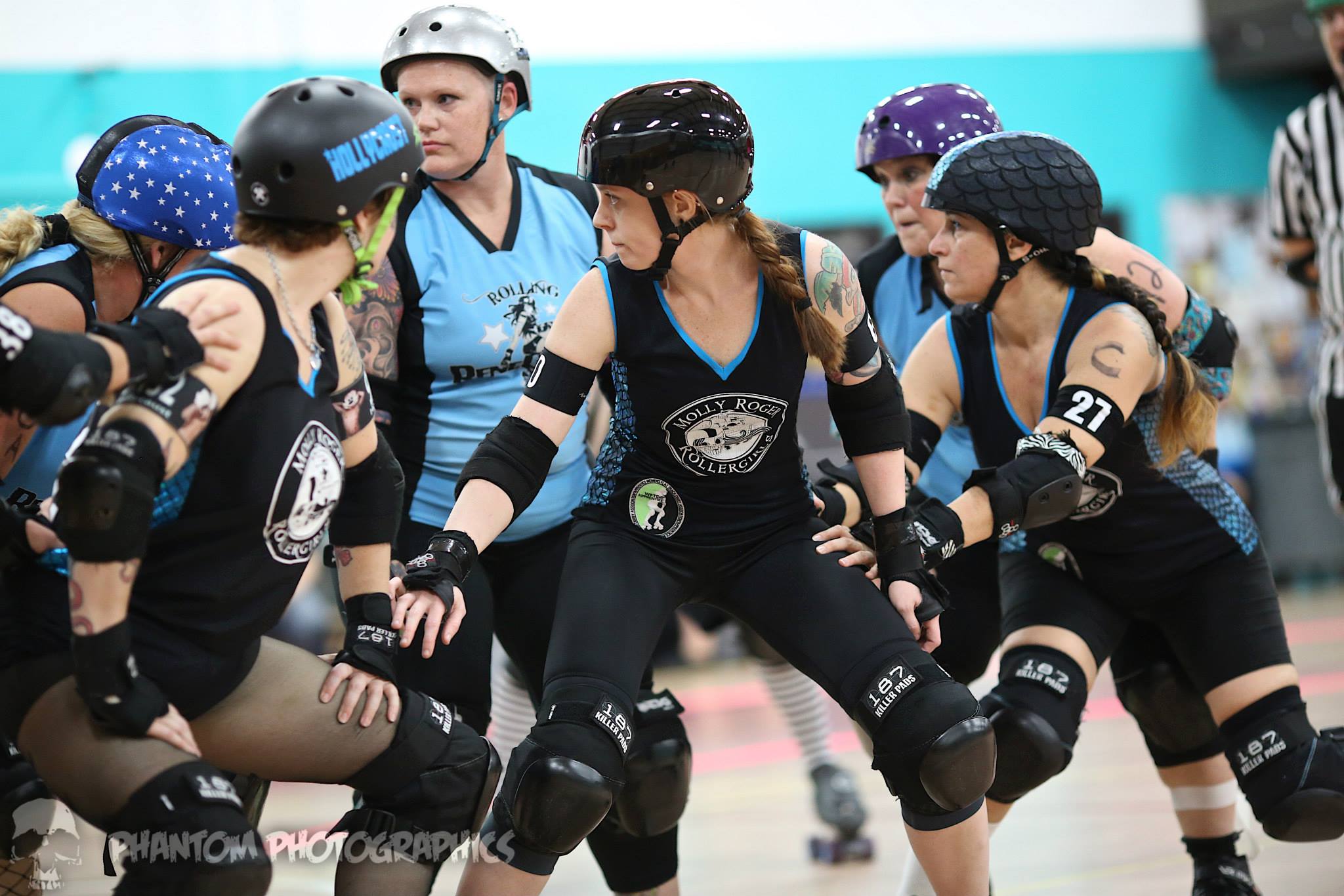

 ,
,  ,
, 


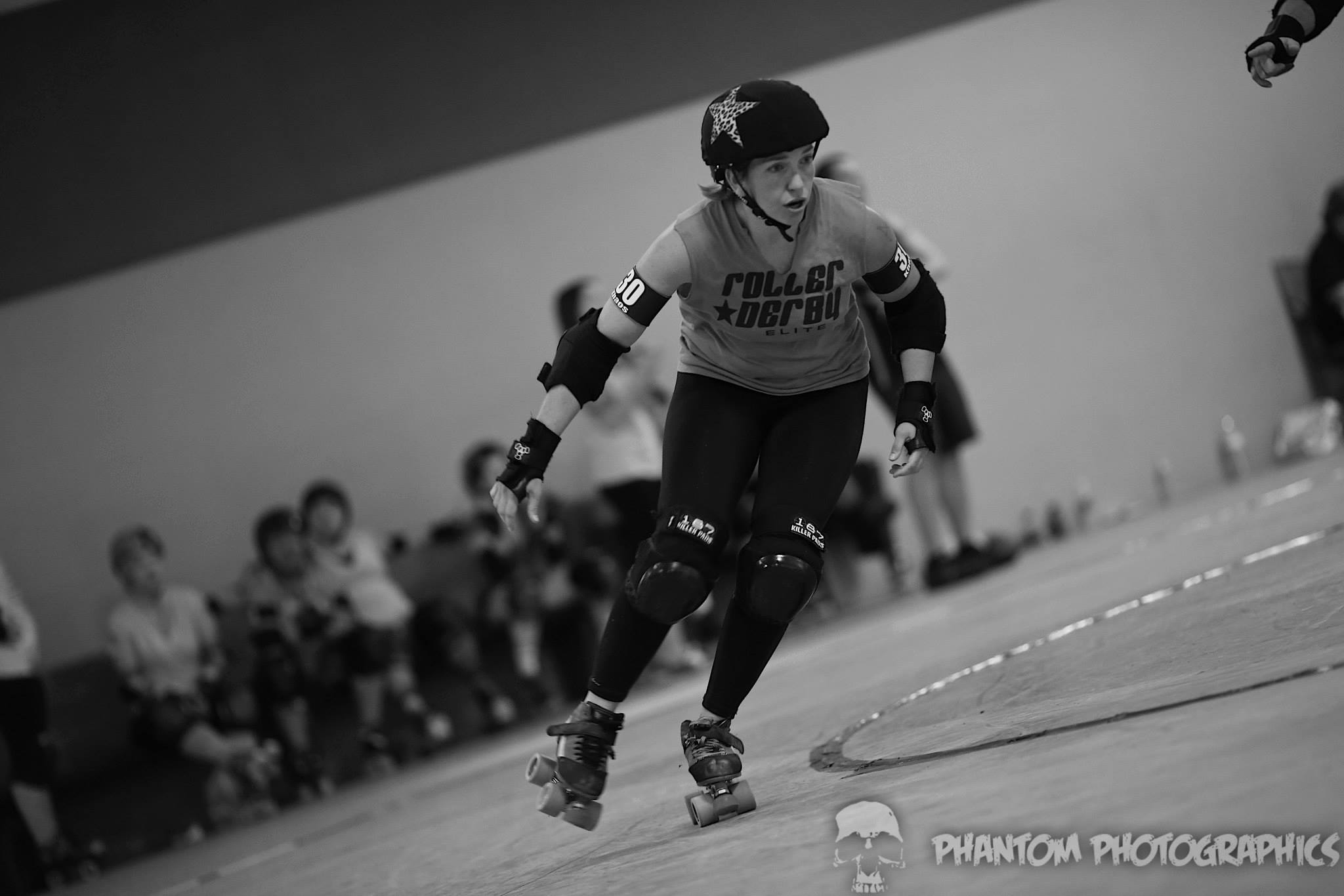



 and
and  for delicious recipes that won’t kill your gainz.


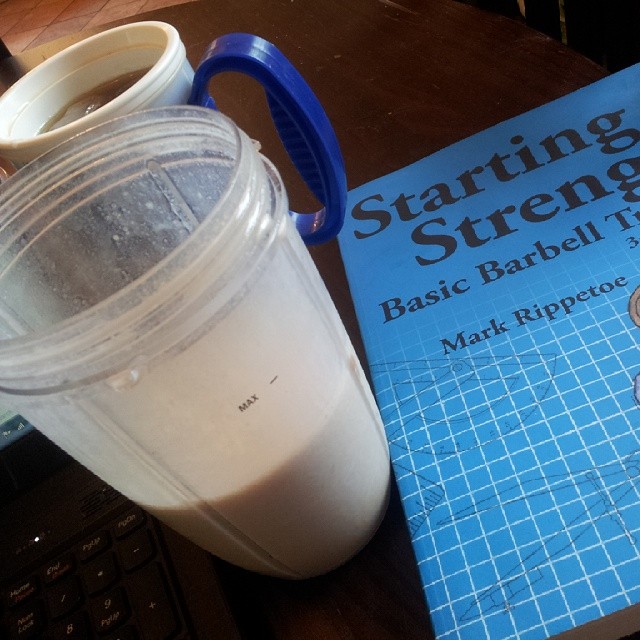
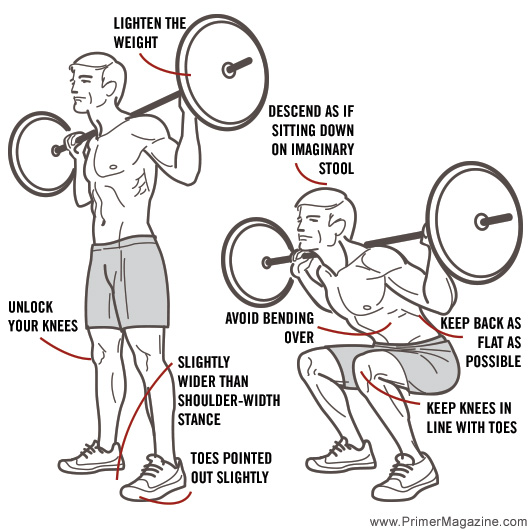


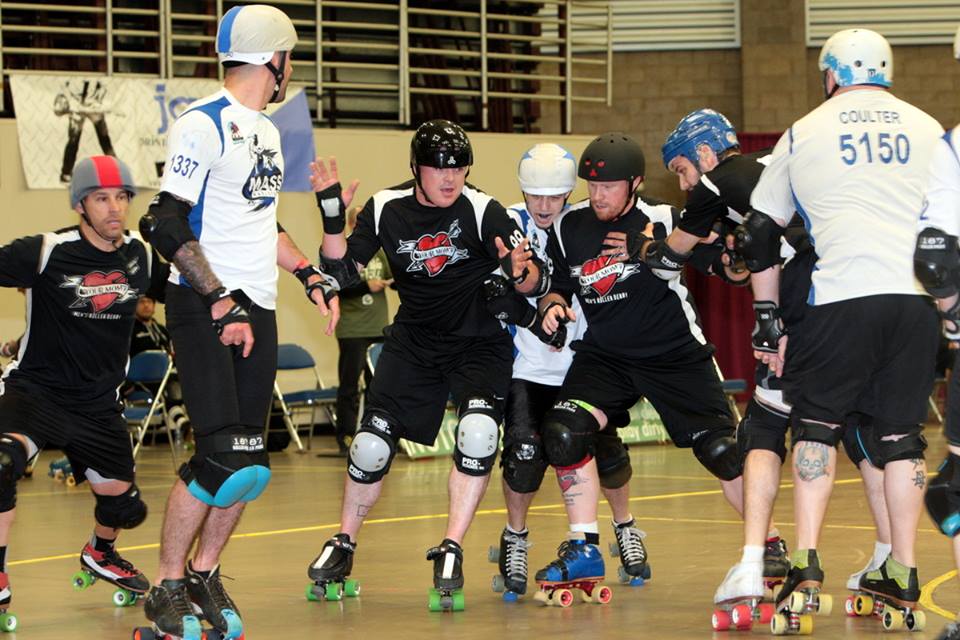
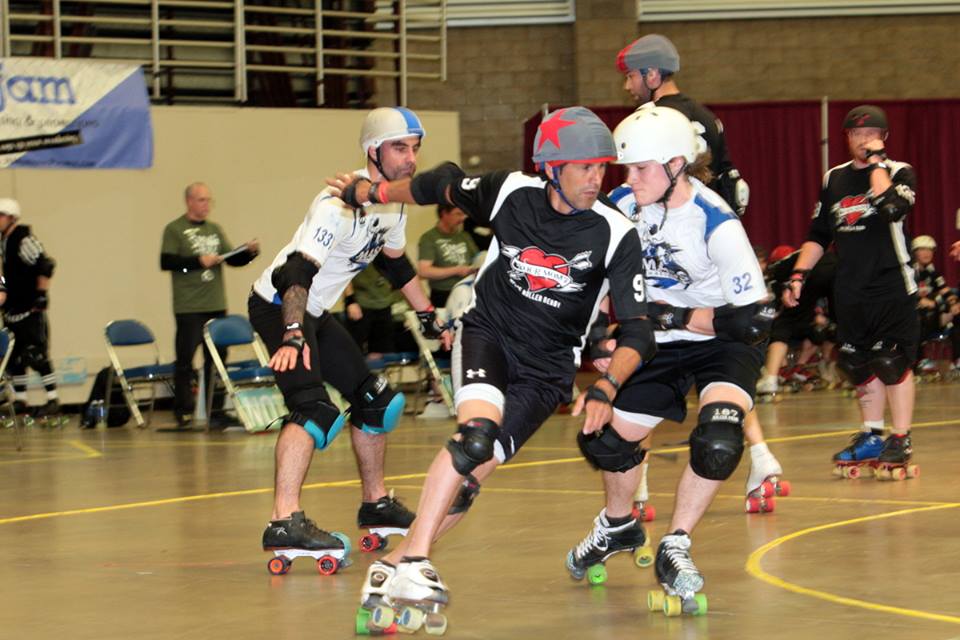
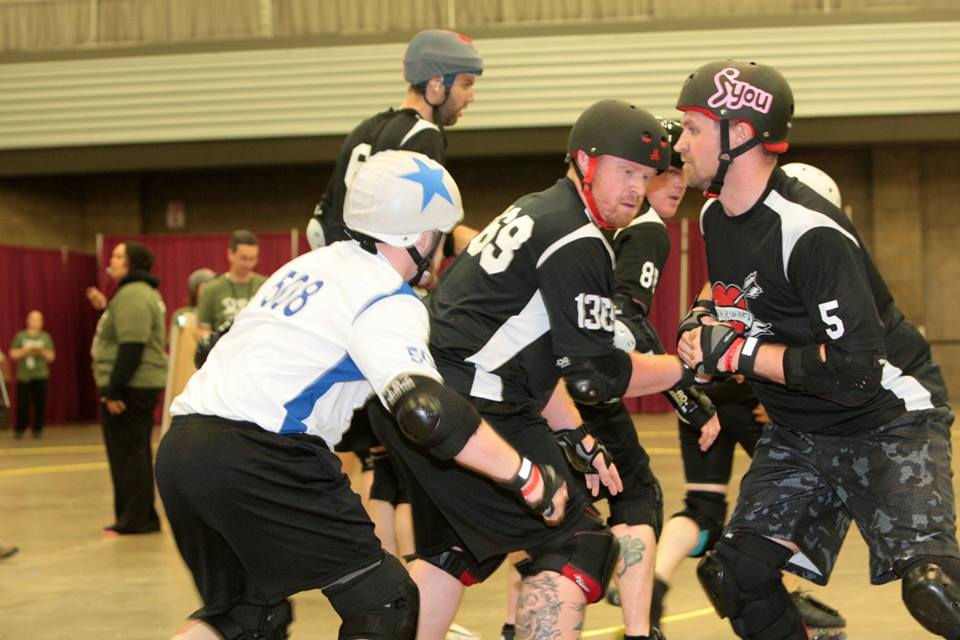
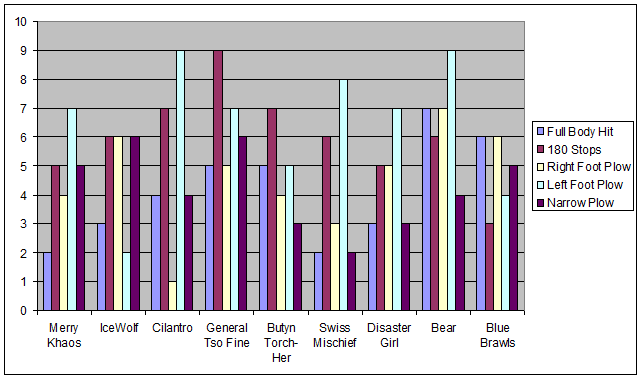


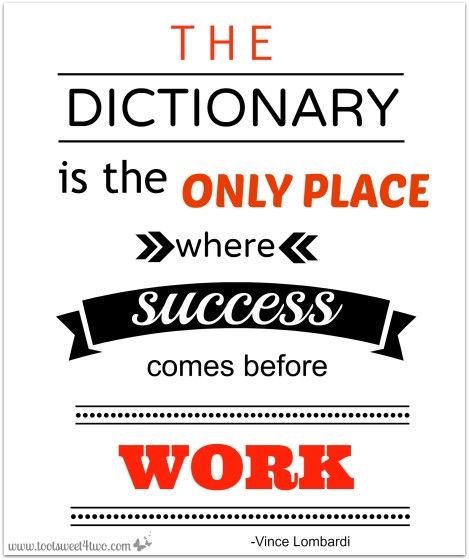


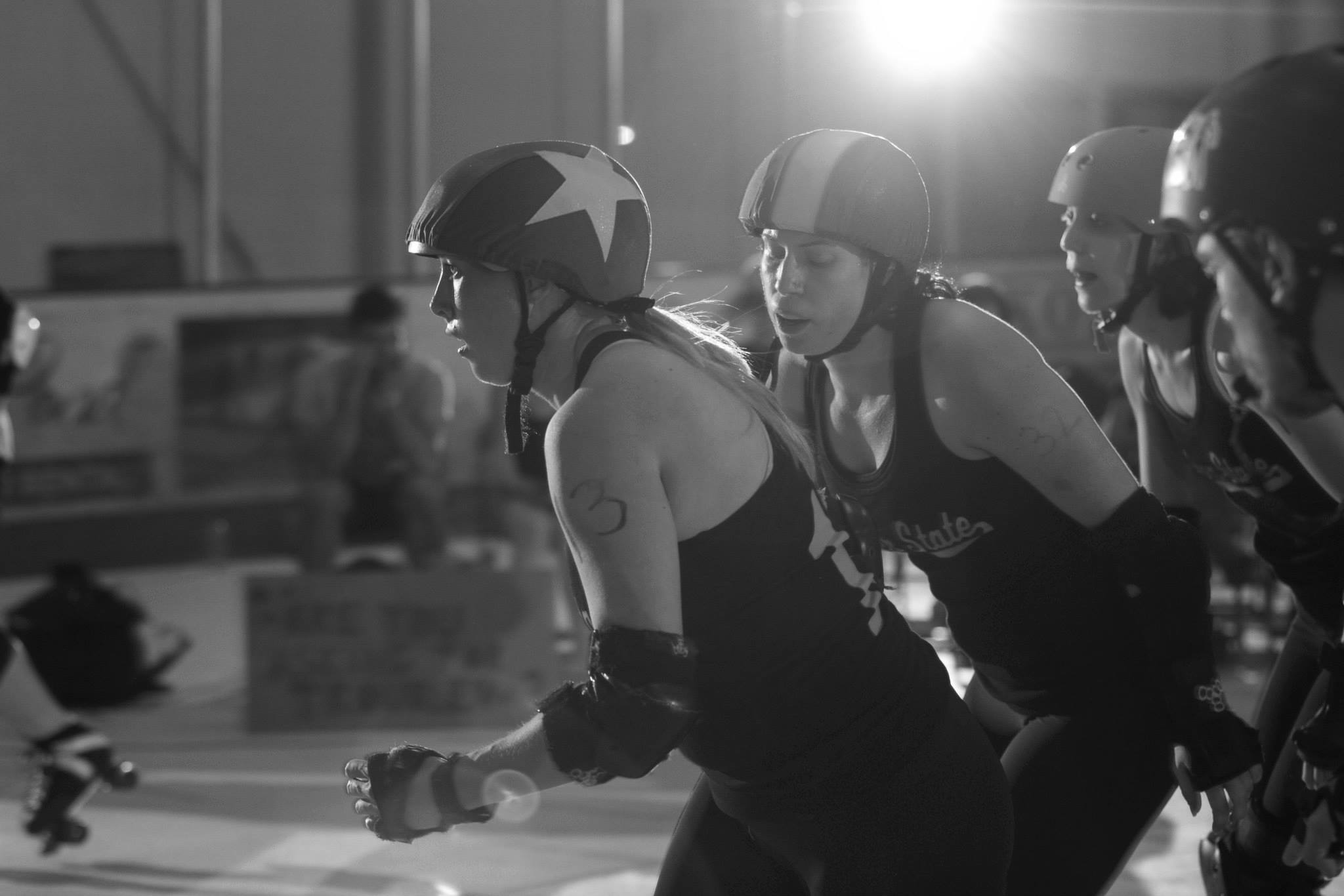

 Khaos Theory Derby