The life and times of Merry Khaos and her alter-ego, Kristie Grey. A romp through the inner workings of a mind in roller derby athletics, training, and business management.
1) What pump up song plays in your head when you take the track? I like to listen to #1 by nelly hahahaha 2) What is your favorite city to travel to play derby in? Seattle, the city is awesome and the puget sound guys are a fun team to play against 3) Who is your favorite WFTDA skater and why? Crowe, she skates for the San Diego roller derby starlettes. One has tag says it all #croweknows hahaha the world will know about her soon enough. 4) When the team travels, which team mate(s) do you room with? I room with a couple of my favorites waterboy, boo, Bobby light and my bestie MO oweuone 5) Which MRDA skater pushes you to be better [because they’ve beaten you in the past]? B Stang for sure, I have skated with him and around him since we were young. He’s always been a step ahead of the rest. I work for him now and I use all that time with him to gain knowledge. In my opinion he’s the best skater in the world. 6) What is your favorite post-bout food? I always order a pitcher of shirley temple hahaha
1) What pump up song plays in your head when you take the track? How we roll (fast five soundtrack) 2) What is your favorite city to travel to play derby in? Ft Wayne. Just because we have been there so many times for spring roll I can drive around without gps. 3) Who is your favorite WFTDA skater and why? Ms. Jaxem [Erin Jackson of Jacksonville Rollergirls]. She grew up in my home rink and seeing her go from rink rat to world champion speed skater and arguably the best jammer in wftda is awesome! 4) When the team travels, which team mate(s) do you room with? I normally room with Chef, Bratz, or Moseley. 5) Which MRDA skater pushes you to be better [because they’ve beaten you in the past]? I wouldnt say a particular skater, but Texas men’s has really impressed me this season and shown what hard work and practice can do. 6) What is your favorite post-bout food? If it’s a tournament weekend, the Tour of Italy. It’s a team thing! Carb load!! 😀
The Aftershocks are generally an unknown in the MRDA.They played (and lost) to Puget earlier this season, but their roster has gradually increased with talent over the year. Magic City returns to Champs this year, and they are hungry to prove that they belong in the Top 5.
Taking on Denver. Photo by Joel Giltner
Both teams play with speed, and both teams prefer a face-to-face blocking game to rotating walls. The Aftershocks have world champions B Stang and Just Mike from Your Mom on their squad, and they bring high level experience to the squad.However, Streak has been ‘getting the band back together’ all year in Jacksonville, you can expect to see the unnecessary spins and extreme lateral coverage that has made MCM a fun team to watch.
East Coast versus West Coast happens on WFTDA.tv at 11am CST on October 17, 2015.
Bratz escapes a Gatekeeper pack. Photo by James Brady 2015
It’s that time of year: we are less than a week away from the MRDA Championship in St. Louis: River City Rumble. I have taken on the task again of giving the derby world a look at what the can expect this weekend. With the expansion of the tournament to 10 teams, my task this year is more daunting than ever before. I will do my best to keep each article even in length. It will depend on how much I know about each team, though. You have been warned.
Your 10 seed is here by (for them) fortuitous circumstances. The Twin City Terrors are actually ranked #14, but due to a variety of reasons the #10-#13 declined the invitation to Champs. Having done a lot of research for predictions before the rankings were released, I can say that (according to math) TC is as good of an opponent as any that declined. I do not think they will be a dull team to watch.
Usually a pivot, Steve Sweat takes the star against Bridgetown Menace. Photo by Mr. McWheely
This team is no stranger to tournaments, having played in two every year for at least the last three years. This year they had a particularly daunting tournament schedule: 3 tournaments: Midwest Brewhaha, Rolling Along the River, and River City Warm-Up. They lined up 7 times this year against top 8 teams including playing the Gatekeepers and Texas Outlaws twice, and also Bridgetown Menace, Puget Sound, and Your Mom on top of an additional 5 sanctioned games. Since TC obviously has had Champs on their mind, this highly challenging season had to be chosen by design for solidification of team work and to test nerves under pressure. They’ll need that experience for champs: they meet the Bridgetown Menace again in the first round, and the winner will play the Gatekeepers. The loser will play the loser of the Magic City/Aftershocks bout.
But who ARE the Twin City Terrors?
They are a team that has the potential to play like Shock Exchange, as long as they keep up their training and focus. Their walls can grind down jammers when the game is slow, they have far better bracing and positional blocking than I was expecting when I sat down to watch Brewhaha footage. In a sport where players love looking jammers in the eye, Twin City looked as comfortable plowing a jammer to stop as they did tossing a backwards block at them. If there is anything I have learned from watching the WFTDA playoffs this year is that the difference between a good team and a great team comes down to their ability to plow stop. If Twin City can take a note from their WFTDA counterparts and begin to really ratchet down their speed control and recycling, they’ll be in good shape.
TC has been working on their “Great Wall of St Paul”. Photo by Ryan Siverson.
In both their Texas and Puget games at Brewhaha, Twin City came out strong with slow walls, coordinated offense, and a protection of the lines that slowed down Scott Slamilton and Dr. Feelgood. Steve Sweat #808 and Egon Strangler #42 are impossibly fast at the top of the pack. Often they can catch jammers who have a head start, and knock them out of bounds before the end of the engagement zone. At the same time, Timchilla #3 (whether as pivot or jammer) has ridiculous fast feet, and was able to take advantage of the offense given. Derby Monster #00 and Freight Train are the bruisers of this team that also moonlight as seriously effective jammers. In the tournament I watched, jammer penalties (cuts primarily) killed the momentum of a team with many weapons in their tool belt.
Ladies & Gents, Derby Monster. Photo by Mr. McWheely
If Twin City can keep calm and keep their packs together, they’ll do well this weekend. Their blockers are strong, they just have a tendency to get split up when the game gets fast. If they can use what they learned from playing Puget Sound at Brewhaha and apply a pack definition strategy to keep the game slow and at their pace, they will do well. “The Great Wall of St Paul” is what coach Betsy Wrecksie calls it: working together to remove speed from the game and control the other team’s position. Twin City has had the advantage of Wreckie’s experience this season, she was formerly Minnesota All-Star’s head coach in 2014. She knows how to help a team gel.
Baron von Bean #609, Luce Wheel #103, Jamnit Dim #31, and Sampson #66 are the guys you put out to glue the walls together. You may not always notice them, because they are quietly holding their team mates use them as the rock to form around. Recent transfer Ogden Smash #64 will only add to the solidity of walls, being a very smart strategist and very effective at getting in the opposition’s way.
Timchilla does the near impossible in this photo: getting around Bled Zepplin. More proof that the team has the talent for success. Photo by Ryan Siverson.
Bridgetown is also a ‘jack of all trades’ kind of team, so it will be fun to watch these two trade blows in the first round. If Twin City can stay focused and engaged the Great Wall and not allow the bruisers of Bridgetown to split them apart for too long, they’ll put up an excellent fight. Where Bridgetown will have a solid jammer rotation, Twin City seems to come into games a little looser. They have a deep jammer pool and tend to throw in a variety of people ‘to see who sticks’. They may need to call on the power of Freight Train to push through the likes of Cozmo Damage, but keep an eye out for rookie N8s Gonna Nate who made a big impact at Brewhaha.
Coach says of Twin City’s attitude going into Champs:
We’re pretty sure we’re not heading home with a first place medal as we’ve already played the one and two seeds and while it was a welcome challenge – they were pretty one sided games… If we can go as far as to beat [the Aftershocks], I think it says we were supposed to be here at champs even if we weren’t the first choice. Win or lose; we are all extremely excited to be taking part in MRDA Champs and proud to be the first Terrors squad to do so.
Thank you photographers Mr. McWheely and Ryan Siverson Photography for use of photos in this article. Please like their Facebook pages and buy prints from them!
Bench coach Trudy and the Terrors at Brewhaha 2015 Photo by Mr. McWheely
There’s been a “12 Reasons you should watch roller derby” buzzfeed article floating around. Guess what, folks? Some of it they got right! Some of it they got eeeehhhhh…..
So I’m rebooting this blog! It was one my first popular article on Examiner.I’ve re-written some of the explanations, but I’ve kept the headlines the same. 2010 derby or 2015 derby, these are still the 10 reasons you should watch roller derby. (PS Most derby leagues still don’t have seating, so you may want to pick up a Coleman Stadium Seat for your comfort at the game.)
The WOW factor How many of your friends watch roller derby? If the answer is “many”, then maybe there is something to this. Maybe they have an in on something. If your answer is “none”, you can introduce your circle to the fast-growing sport on the planet. How cool does that make you look? Roller derby is a completely unique, high-impact sport that is totally inclusive of age, gender, nationality, etc. It is an international phenomenon that grows every year. In 2018, the third Roller Derby World Cup took place in Manchester, England, hosting 38 countries, including the Czech Republic, Korea, and West Indies. Barcelona is the stage for the third Men’s Roller Derby World Cup in April 2018, where 24 teams, including Japan, Chile, and Denmark will compete. The speed, power, and finesse on 8 wheels is enough to keep you entertained, even if your local team isn’t allowed to sell beer!
Texas took on Missouri in the men’s championship of State Wars in December 2014, with hard hits and fast feet. Photo by Phantom Photographics.
The social works of derby teams Roller derby teams are often non-profit organizations themselves; regardless you will find your local teams out at charity events and raising money for good causes at their home bouts. Tens of thousands of dollars have been raised worldwide for charities. Whether promoting suicide prevention, helping wounded animals, collecting for homeless shelters, promoting love as love, or helping a city rebuild after tragedy, derby has covered the spectrum of charitable causes. The Girls on Track Foundation was founded to keep young girls involved in the sport of roller derby, thus building their confidence, courage, and leadership skills. Locally, our own Tampa Roller Derby is involved with Big Cat Rescue and Girls on the Run,
Athletic prowess These are athletes. Teams practice between two and six times a week, and the participants work out beyond their practice limits. Yoga, crossfit, powerlifting, Spartan Races, aerial silks… the cross-training of roller derby knows no limits.
Impressed by your favorite hockey player doing fancy footwork and scoring points? Wait until you see Lil Slinky of Stockholm duck and dance through the pack effortlessly. Get hyped up by your favorite safety playing all over the field defense? You will love seeing Alli Kat Scratch of the Tampa Tantrums crush the hopes and dreams of her opponents. The feats of agility and pure strength are display at any game (whether it’s the 500-person strong Rose City Rollers or 20 strong Twin City Terrors).
PHDiesel makes a lap for Team Florida at State Wars. Photo by Phantom Photographics.
“Any Given Sunday” Just like in any other mainstream sport, roller derby has the “any given Sunday” mantra. The Oly Rollers came out of nowhere in their first season as a WFTDA* team, and took the Hydra as the underdog. It is possible for any team to sweat and bleed their way to beating a giant of roller derby. Tournament play has seen a lot of international teams come in and shock the world with their undeniable strength. Teams from the United Kingdom, Germany, and Australia have been doing damage in WFTDA and MRDA** rankings the past few years.
Less expensive than a movie date
An American movie date can easily breach $75 (IMAX anyone?), and if you’re counting dinner, you can bet on a night breaking $100. Yes, there are some games that offer beer or full entrees (thank you Charm City). Yes, buying merch from Tampa’s Wrecking Mall might up your final cost for the night. However, most teams still play in roller rinks with small concessions and bake sales. A derby date can easily stay under $30! Derby encourages interaction and conversation, whether you are with one person or a group, and it’s way better than sitting awkwardly in a dark theatre with your Tinder date. Bring them to derby!
Who needs a movie when you can be next to the action? Photo by Phantom Photographics
Community! The roller derby community is a very inclusive place; if it’s a tailgate kind of game (you can check with the league on their event page ahead of time), get a group together and hang out in the parking lot. My first team was notorious for cookouts and beer trading in the parking lot of the Olympic Skating Center before games. Groups often mix and mingle. Don’t know what’s going on during the game? Ask the people beside you (or look for someone with a “Ask me about derby” sign). Regardless of the side you are rooting for, everyone is super friendly and inclusive. You will make friends in the fans, the refs, and the league members themselves. Labels and judgement have no place in our house, so come one, come all!
Direct interaction with athletes
How many sports teams offer one-on-one time with their athletes? Every game and after party is a meet and greet, and leagues host events throughout the year where you can meet your favorite skaters. You can catch up with league scores from those directly involved, and can really feel like a part of the organization even as a fan. Websites like Flat Track Stats even gives you chance to follow how your favorite travel teams are doing, even if the team hasn’t received official sanctioning ranking. With the popularity of tournaments growing in roller derby, keep your eyes peeled to your team’s social media, it’s likely their travel games will be live streamed at some point. Then you can even watch them from home.
Junior derby is gaining momentum! Your son or daughter can play, or you can watch the future of derby at local events. Photo by Phantom Photographics.
Unique characters Mainstream sports are chuck full of big characters, and roller derby does not disappoint. Be warned: It is not make-up and fishnets. It is the heart, soul, blood and tears that they pour into their work that make these athletes into giants and idols. Big characters in derby are the big hits, the big jams, and acrobats on skates. Whether your team matches in black compression pants, or dons old school mis-matched DerbySkinz and stickers on helmets, you will see the personalities on and off skates. It’s not just the skaters that make the game exciting: The announcers of roller derby are some of the most colorful characters you can imagine. Plus they are super knowledgeable about the game, so make friends with them.
You might find a new love Skaters, refs, NSOs***, announcers, medics, and coaches have to come from somewhere. Often, they come from the audience. Fans, friends of the fans, and the munchkins of fans are the future of roller derby. Even if you never end up skating, your support is vital to your league. Being a fan and posting about the games, inviting your friends to the events, watching WFTDA.tv, watching the YouTube archives of bouts… it spreads the goodwill of derby to people outside of the community who may never have heard of derby before. Or, maybe they went to a game three years ago and “have been meaning to return”. Maybe you can be the one to remind them to spend a Saturday night at the rink.
Derby is always looking for more officials to help at games. Skates not required! Photo by Phantom Photographics.
It’s just plain FUN The excitement is infectious. Regardless of your familiarity with the sport, the skill and strength of roller derby pulls you in. It is impossible to resist cheering as your jammer breaks through the pack. Try not to flinch when your team knocks an apex jump out of the air. The more you learn about your league, the more fun you will have each game. BUT the only way to learn more is to actually go!
Calling it off! Photo by Phantom Photographics.
If you have been pushing off attending a roller derby bout, it’s time to get off of Facebook and head to the rink. Friends, excitement, and real social networks await you. Youtube offers some great fan tutorials, or wait until you get there and inquirein person. Spend some time at your local games. You’ll be cheering more than at a Marvel movie, you’ll get closer to the action than nosebleed seats at Lincoln Financial, and you will build relationships unlike anything else you have experienced before.
*Women’s Flat Track Derby Association
**Men’s Roller Derby Association
***Non-Skating Official
Support Khaos Theory by making a donation to the blog today:
Thunder City Derby Sirens Photo by Phantom Photographics
What makes us want to be on a roller derby team?
I’ve been thinking about this topic for months. Tried writing a blog a few weeks ago and I couldn’t actually translate my feels into a coherent written structure. I’m not talking, “Why do we love the sport?” or “Why do we join a league?” But rather, what drives us all to make a travel team? Or be drafted to a home team?
Before my home league’s travel team votes on the charter, each skater gets to talk about what they had to offer, and why they wanted to be a part of the team. It was interesting to hear the answers from those dropping their name in the hat for the all-stars versus the b team. There was quite the difference in theme of statement from one team to the other. I realized that those going for the the all-stars had a much different theme of answer than those wanting to be on our b-team. It got me thinking more and more about WHY we want to play on teams so badly.
If you ask a derby skater why they want to be on a team, the most common answer you’ll probably get is: “I want to play in bouts!” (Or do I call them games in the blog now?) **winky face**
They want to travel. They want to play other opponents. They want to prove themselves. Playing in bouts is a bit about the attention of everyone watching you, but should also be about the practical applications of skills and drills. Bouts are the place we test ourselves against an opponent to see if we have improved. I have been on many teams at this point, and I can say that being in a bout means different things based on the culture your team builds.
Tampa Roller Derby on our way to Texas for a weekend of the derbs.
Some teams value bouts strictly as ranking potential.
Some teams just want to enjoy the fun of the sport; including all that boutfitting, production shenanigans, and after parties offer up as they play against your family from a different city.
Some teams want to try out what they have been drilling in practice, to see how their strength and mobility have improved.
Some teams play bouts just to raise money in their home venue and have their friends and family come and watch them do the thing that they love.
Some teams work really well together on bout day, and everything is low stress and fun.
Some teams may work together, but tension runs so high that benches become explosive.
Maybe a team just has that one player that yells at refs or complains about calls, and because they’re a “superstar”, the behavior isn’t squashed. That behavior spreads to the rest of the team, and the bench becomes a 3 headed monster.
Maybe the bench coach is that one superstar yelling.
Or maybe everyone loves each other and the sport so much that everyone is just focused on the fun of the game.
I should mention that teams don’t always take the time to create a culture. Some are self-aware enough to create a mission statement of culture to promote and strive for. Most derby teams, I have seen, do not even understand that a culture has manifested through coaching habits, attendance enforcement, and superstar treatments. Sometimes an awesome derby culture of fun and support is born organically through individuals gathering for a common purpose. Too often, I have seen leagues succumb to the expectation that certain players get praise and playtime, and those players can do and say no wrong. Everyone else are plebeians and must fall in line and teach themselves.
If you just had an ‘ah-ha’ moment, recognizing that your team has not given itself a Culture Goal (or worse, you’re in one of those cancerous league situations!), maybe it’s time to sit with your steering committee and decide on some core values for the league and individual teams.
Molly Rogers line up against the Rolling Renegades of Sarasota. Photo by Phantom Photographics
Many cultures have this idea rooted into their core values without realizing it: “You will play bouts when you are on the travel team, and we do this to play in bouts.” So the skater immediately begins lobbying for a spot on the travel team, despite dedication. Despite training. Despite safety. Despite their willingness to play on a team. Endgame, we are taught, is: PLAY IN BOUTS.
I have a radical suggestion for you, Roller Derby:
You should not want to be on a team to play bouts. You should want to be on a team to practice roller derby.
Wait, what?
You should want to be on a team to PRACTICE roller derby.
What do I mean?
I mean we need to adjust our mindset.
Bouts are fun, yes. Bouts are what count towards our ranking, absolutely. Bouts are the culmination of our practice time and work together, yes. But it’s just 60 minutes on the clock.
I am not saying we should undervalue bouts, or want to play in them less. Rather, I think we all need to shift focus to being excited for practice time. Most of Roller Derby practices at least twice a week. You are spending far more time with your team in drill, skill, and endurance situations than you are in bout situations.
I do my best to not even worry when my next bout is, because my intensity does not change from practice to practice. I do not show up with different intentions or drive when I know a roster is being decided that night. Every practice is 110%. I pay for this time on the track, so I am going to love it and use it. If I am put on a roster, great! If I’m not, it’s OK because I have practice again Sunday night. I know I won’t be short on derby for the weekend.
Too often skaters put so high a priority on bout day that all they think about is making the roster. They show up just in time, and with just enough intensity to play in the bout. If we could shift the prevailing thought in roller derby to be less “BOUT DAY!!!” and more “PRACTICE DAY!!” think of how many people would value their drill time more? How much would attendance change?
Bout day is a priority because Roller Derby puts an emphasis on it.
To me it is just as fun and invigorating to stop Tazmaniac in a wall drill in practice, as it is to stop her in a bout day situation. Putting our focus on the awesome of practice means more excitement, which means more bodies, which means more opportunities for strategy and teamwork. Which will, unsurprisingly, lead to MORE SUCCESS ON BOUT DAY.
Slayor Moon Rojo Grande, Pup, and Splatypus ready for the Molly Rogers jammer. Photo by Phantom Photographics
When practice time is the center of attention, you can focus on goals as an individual and as a team mate. You can put your energy into what is being practiced instead of worrying about making the next roster.
When your focus is practice, not bout day, you think about your daily cross training differently, and with the mind of making practice better. You know you’re going to be doing five minute jams at practice on Monday, so what can you do on your off day, Saturday, to improve your conditioning for it? Thinking about that every week builds into months and then years of cross training, almost by accident!
When you focus on practice, you get to struggle and laugh with all of your team mates in all the different situations. You get to love the sport and the nuance of the sport.
When our focus is bout day, we get caught up in the spotlight of it. We get caught up in the pressure of performance, but when we focus on practice day, we are all Superstars, and egos are left at the door because no one is watching. When our focus is practice, we work hard for two hours at a time. If we can work hard for two hours, we can definitely work hard for our piece of 60 minutes.
Practice is the proving ground for bout day.
Practice is where we get to push ourselves and learn.
Practice is where we get to high five our family and celebrate victories.
Practice is where we get to tell our friends that bad days happen, and that one bad practice will not equate to a lifetime of failure in the sport.
Practice is where we get to put our head down and do work.
If your heart doesn’t beat with excitement when prepping for training (sometimes up to 5 in a week), why are you in the sport?
Glory should come from within. Achievement should be felt when doing something awesome with your team mates. This is no longer an individual sport. No longer should we put the spotlight on those who have talent, who don’t come to practice or fundraisers or do committee work.The spotlight should be on the weekly warriors who sweat with each other and create the bonds that only practice time can.
Practice IS our sport. I feel like the leagues that recognize and promote that in their culture, have the most success over the long term.
Stop counting down to bout day. Start counting down to Monday.
For coaching and nutrition help for all athletes, or to ask questions, propose blog ideas, or just give feedback, leave me a comment, or drop me a line at DerbyAmerica@gmail.com. I’m always booking league coaching for all levels.
Don’t forget to visit Phantom Photographics’ Facebook to purchase photos and ask him about his cool shirts.
When talking to derby folk about nutrition I hear the same things over and over:
“I don’t know what to eat.”
“I don’t know when to eat”
“I try to eat healthy” OR “I eat terribly and I know it”
“I drink plenty of water” OR “I don’t drink water and I know it’s bad”
I’ve been doing this health coaching thing for a little while now and I can almost predict what people are going to say before they say it. It is part of why I’m so passionate about Derbalife – I want to help my friends answer questions.
Because honestly, it can be really confusing when you’re trying to figure all this out on your own! There are a billion fad diets and trends, and everyone has a different idea of how much you should eat and what you should eat. And then the SCHEDULING? WOOF. That can be rough.
So, while my method isn’t perfect by any means, and there is still some trial and error that goes along with creating plans for yourself, I wanted to share with you what I have created for myself.
Some notes:
1) This is my 90 day plan. As I approach the end of 90 days, I will re-evaluate, tweak, and create a new 90 day plan (that won’t look too far off of this one, probably).
2) Bout weeks will change up my schedule. I will do a deload leg day on Thursday, and will rest at least a day and a half before a bout; more than that for a more competitive game, or for a weekend competition.
3) I have eased into this schedule. I did not just decide one day to work out this much. This has been a two and a half year process. Do not just try and hop into a two a day program. Work with a sports trainer if you’re unsure of how to plan out your cross training.
4) I have nothing to do other than work, train, and play/ref/watch derby. Do not look at my schedule and think “Wow. I could never do that.” **kick stones** “I guess I just won’t do anything”. No. That is not the point here. The point is to show you how you can break down every day of your week into an intentional plan.
So the first thing I did was color coding. I broke my day into half hour bite sized increments. Then I went through and blocked out the scheduled pieces: work time, drive time, practice time is all set. I can’t change them, so they go in first. From there, I could build my cross-training schedule. After that, my extra stuff could go in.
Bruise Crew at The Blood Shed in Austin, TX, getting ready to play The Firing Squad. Practice times are not negotiable, so I make sure they’re a part of my plan before my plan has fully formed. Photo by TXRG
Once I could see what my days look like, I could build my meal plan. I know that when I work at Taco Bus I can only eat meals during certain times. I also know that I get employee meals. The goal is to eat every 2-3 hours, starting with eating within 30 minutes of waking up. I walked through my day, and found times that I thought I’d be able to eat. I typed in what I thought would be good snacks and meals. I put in as many snacks and meals as I thought would hit my desired calorie count… which… originally… I thought was 2000 calories. As you can see, below, it is NOT 2000 calories.
So after I planned out Monday, then I went onto a calculator program on If It Fits Your Macros. When you walk through the calculator, I always encourage people to use the athlete formula (since it factors in your exercise amount, not just your body fat). I, personally, am on a plan to help me gain conservatively. Everyone’s goals are different, and that’s ok! I would recommend, for derby athletes that you choose either the “Recommended” for WEIGHT LOSS, the MAINTAIN, or “Cautious” for WEIGHT GAIN.
PS Macros are : Fat/Protein/Carbs/Fiber. How I got my numbers? I’m 32 years old, 5’4”, and 145#, looking to GAIN CONSERVATIVELY and working out “everyday”. I also did the formula where I eat 1g of protein per 1# of body weight, .4g of fat per 1# of body weight, and I had it calculate for 7 meals a day.
Right, so it gave me numbers listed just below this paragraph. Next I went into FatSecret.com and plugged in the day I had planned out to see what it gave me. I found out that not only was I about 600 calories short, but I was 25g of fat short! Good fats are super critical for muscle creation and is also awesome for your joints and your brain. Once I saw that, I could go back through my Monday and adjust my meals! I had them broken down in my tracking program, so I could see that a snack only had 11g of protein and I could add some jerky to it to improve that. Or that a meal was only 150 calories, so I needed to add some avocado. 😀
I want everyone to know that while I am super excited about the above schedule of cross-training … I also get a little vomity looking at it. I am not a cardio kind of girl. If you know me, or have been keeping up with this blog, than you know that I would rather deadlift every day than run. EVAR. However, too high of a focus on weight training for too long can weigh someone like me down (especially since I cameo jam now and again). So I’m moving my focus to some explosiveness. On my lift days, I’m using a modified 5×5 program, that I have preached about in the past! More about lifting and 5×5 here.
You may look at this schedule and say, “But Khaos! You said that running for long distances doesn’t do much for derby!” And it is true. It doesn’t. However, my long endurance has been slipping since I am on a team that doesn’t do endurance practices. Since I am not doing a speed practice, I am utilizing my conditioning training to help keep my long distance endurance strong, which is linked to recovery over the course of a bout. (So it may not help me from jam to jam, but over the course of a whole game, I want my large muscles to still be able to respond.)
How to build your meals?
Look at your macros, use your tracking devices to understand the compositions of your food. Whenever I eat, I make sure there is at least 10g of protein in what I’m eating. Otherwise I pick something else, or add protein to the thing I’m already eating. I also drink a gallon of water a day. I also take vitamins 3x a day. Doing those things helps to keep the metabolism running and helps your body absorb all the things you’re giving it!
Feel free to use my meals as a starting point! If you want specific help please feel free to message me at DerbyAmerica@gmail.com. I have a good bit of Herbalife in my personal plan, but I can help you figure things out for you with or without the Herbalifle. ^_^
It’s a lot. It’s confusing. It’s overwhelming. Break it down piece by piece. Map it out. Then, all you have to do it is follow it and be awesome! The nice side effect of mapping out your nutrition and fitness this way? You’ve just made a road map for your daily schedule. Watch your productivity go through the roof!! And don’t be afraid to schedule in “FUN TIME” or “TRAVEL TIME” or “READING”. Do it up! It’s your plan.
So… my blog has been super quiet for a while. Sorry about that. It hasn’t been for a lack of wanting to write, or for a lack of material. I have about three blogs either outlined, or in the works including “balancing the zebra and the lion”, “creating the plan” (how to schedule your training and why), one about how to overcome the difficulties of transferring, and one about what it means to really be a part of a team.
It’s Why has my blog been quiet? I’ve been back to the life of the “real world”. I’ve lived in three places since I’ve been here in Florida and FINALLY have settled into a little town called Gulfport, and landed me a job at a place called Taco Bus. And quite honestly, when I get home from running around slinging tacos for 6 hours, I have a hard time mustering creativity.
Also, I have been skating 4-6x a week. Monday, Wednesday, Saturday, Sunday I train with Tampa Roller Derby. Currently I’m a blocker on the Bruise Crew and the Black Widows, and I hope that one day my team mates will see enough potential in me to make me a Tampa Tantrum, and I’ll get to wear a shiny WFTDA patch on my jersey again.
Bruise Crew 2015; Photo by Phantom Photographics
Tuesdays you can find me with the Tampa Bay Men’s Roller Derby. I’m officially recognized by the MRDA as a ref (woot!), and technically am TBMRD’s head ref. This rainbows into the other things I do on the weekend. Most Saturdays you’ll find me either making calls and wearing stripes, or you’ll find me playing on Team Zebra.
You can see me in the background there, all disguised in stripes; Photo by Phantom Photographics
When I’m not skating for Tampa, I’m usually at a fundraiser for the Bruise Crew, or a league appearance, or I’m straight up at the gym. I train 3-6x a week; 3 days of weight training, 3 days of conditioning (assuming my work schedule and traffic allows).
What else have I been up to? Well there have a few times that I started to write blogs, and then remembered that I have deadlines to attend to. I’m now writing a column for JAMMERLINE MAGAZINE out of Canada called “Below the 45th, which is focused on US derby. I also have been asked by BLOOD AND THUNDER MAGAZINE to do articles and blogs concerning off skates training. I’m also piecing my book together. I had to rewrite a BUNCH of it since my perspective on training has shifted a lot in the last year and a half.
Mashing it up, and jamming through; Photo by Phantom Photographics
The last piece is Derbalife. I’ve gotten settled in enough that I have started my business of health coaching back up and I’m getting back to my roots of helping people with their NUTRITION. A bunch of us coaches had gone astray and gotten distracted the last few months, but now we’re locking arms and changing the world!
There is another reason I haven’t written much. And that’s because I had gotten a bit discouraged. Over the years, it has gotten more difficult to find photographs to use in my blog. I am not a photographer. I will not pretend to be one with my iPhone. I have too much respect for the craft. But I am also super wordy. ^^^ As you may have noticed. To have blogs without photos to break up the scheme, it’s really hard to read.
I, by no means, want any photographer to feel undervalued or that their work isn’t worth purchasing. That being said, I have been hand washing my clothing for the last 4 weeks instead of going to the laundromat just to have extra money for food, gas, and bills. This blog makes zero dollars. I write because I love to write, and because sometimes people like to read it.
The whole thing had gotten really depressed and defeated honestly. I didn’t want to write because I knew I wouldn’t feel confident publishing without photos. But … now that defeat has gone away. I’m super stoked that Florida has Phantom Photographics down here documenting all of the awesome that is happening.
Photo by Phantom Photographics
Florida derby is expanding SUPER quick, and the competition is getting very high amongst the teams. Phantom is one of the photographers that travels around the state and takes PHENOMENAL photos! MRDA, JRDA, WFTDA; he does it all. He does a lot of portrait work too, which I’ve always been a fan of.
At State Wars Roller Derby; Photo by Phantom Photographics
For those of you from the Northeast, he’s like having a Sean Hale, Prints Charming, Sir Clicks-a-Lot, Rick Odell, or Shutterfly. And he’s super nice. So… Go visit his page because he’s awesome. I’m so happy that he’s letting me use his photos in my blogs, and I feel confident in writing again. 😀 You should buy a shirt from him too. (PS if you’re a photog and you want me to feature any of your photos, don’t be shy in letting me know!!)
If there’s a topic you want to see me cover in an upcoming blog – drop me a line at DerbyAmerica@gmail.com ! Have you gotten your ticket to RC? I’m submitting to teach classes again. I hope to see you there at the WESTGATE!! If you don’t already, follow me on Instagram at KHAOS24FIT
If you say “I can’t do 180 turns” with intention, you will not be able to do 180 turns. If you say, “Today is going to be awesome” with intention, your day will be awesome (yes, even if negative things happen during the day). Your words can change the course of your progress, your game play, your mood, and the attitudes of people around you.
So to use the words “I don’t care” (IDC) is profound.
I hadn’t really thought about it until recently. Now that I’ve noticed it, it sticks out to me whenever I play. In retrospect, I have been combating IDC for years, I just didn’t realize it. When my line is on deck in scrimmage, if no one takes the initiative to start talking, I would begin the conversation. I would be the one to ask the jammer what they wanted from the blockers, as well as asking the blockers where they wanted to position themselves. Sometimes one person would have an answer.
Everyone else would say IDC.
And not the IDC that turns into, “What would be best for this situation?” or “Let’s force everyone to pick a spot and talk about it on the line.” It was the IDC that starts in a passive voice and ends with them turning away to stare vaguely off at the current jam.
These are the IDCs that end in randomly taking lanes, and do not include communication. It is the IDC that ends confusion about who is doing what. Too often, an IDC skater will make very conscious decisions about their plan in the upcoming jam, but will not tell anyone else. They end up playing offense for the jammer, dropping back to clear a line, or running cross track to be a brace, but their neighbors aren’t expecting to cover their lane. Sometimes we can read the lines well enough to adjust on the fly, and most times the whole thing falls apart.
Now let’s talk the mid-jam IDC: Whether on offense or defense, I have experienced skaters using IDC when figuring out power jam strategy. On your home team, hopefully you have designated strats and people with pre-determined roles. In mash ups, you have to learn each other’s strengths on the fly. I have stopped asking “Do you want to play offense?” Instead, I say things like “Outside attacks” or “You and me up lane 2”. Derby moves too quick for IDC and I’ve gotten IDC mid-jam, too often.
Outside of practice, when meeting up with people to do off skates workouts or extra skating, when I ask the question “What do you want to work on today?” I do not appreciate the IDC as the answer. I am immediately taken down a notch on my enthusiasm if you don’t care what you work on.
The moral is: In derby you need to care. If you don’t care, why should anyone around you care? If you don’t care what your position is, why should the player next to you? If you don’t care about your training schedule, why should I? If you don’t care about what’s about to happen in the power jam, why should your team mates?
People are influenced by those around them. Skate A may not want to appear pushy or out of line, so if Skater B states they don’t care what position they play, then Skater A is more likely to also throw out IDC. Now you have two people out of four who FOR SURE do not know what lane they will be in, and thus cannot mentally prepare for the next jam.
Apathy is a feeling that spreads, not dissipates.
If your answer for team play is IDC, eventually it will spread to your drill work, your outside training schedule, and your overall attitude if you do not take steps to combat it. It’s easy to get lazy. It’s easy to stop pushing yourself. IDC encourages the lazy.
It’s is easy to spot: in larger teams those with IDC syndrome often get passed in skill as eager, hungrier skaters pursue excellence. In smaller teams or teams without a proactive coaching staff, IDC can spread through the ranks. You see it first with the all-stars, and it trickles down from there.
Your newer skaters (and officials) keep the league healthy. They are the plankton of the derby food chain.
Just stay with me on this one: new skaters come in and are (usually) less skilled or experienced. They are the little guys. Some will get eaten up (in plankton terms) and leave the league before they certify. A few in each newbie class will survive. They grow bigger and evolve into the bigger fish. If they don’t get eaten along the way (injury, personal issues, league drama, etc) and they develop their skills – they join the top of the food chain. The bottom is wide with plankton/new recruits. The top is narrow with seasoned vets/apex predators.
Now let’s say that top of the food chain carries around IDC.
They are setting an example for the rest of the chain that you can become an apex predator without caring. You can be an all-star by being apathetic along the way. While you may have a handful of skaters sprinkled throughout the league that know how to shield themselves from IDC, you will get the other skaters who become sucked into it.
Why? IDC is easy. IDC doesn’t take any work. IDC is a cake walk.
“They don’t care what they eat or how they train, and look! They’re our top jammer.”
“They don’t care what lane they’re in, so I shouldn’t care what lane I’m in.”
“The all-stars are going this fast.. I could go faster, but they are all-stars, so I guess that’s how fast I should go.”
The apathy spreads. The practices slow. The culture of the team becomes a culture of “that’s good enough.” The direct result of this is that either your plankton are pushed away from your food chain altogether because they want to be around people who care, or you only attract plankton that succumb easily to IDC.
If skaters hold IDC on the track, it will inevitably effect their off the track participation. A skater that says IDC about the sport they love in the middle of a jam, will probably not be the one super stoked to drive to a fundraiser on the other side of town on a Wednesday night. Why? IDC means no investment.
IDC is the draining of passion. It is an internal apathy that is easily spread to others like a disease. If negativity is cancer, than IDC is the flu: feverish, tiresome, easily contagious, and hard to eradicate. It may not kill you, but it sure as hell will slow you down.
How do you fight IDC?
If you are an individual fighting against it, continue to fight with some easy steps:
1) Set goals!
Having a focus of what you’re striving to achieve immediately makes you care more. Set long term goals (6months or a year), mid-length goals (30 days out), and goals for each practice; the smaller goals should fit within the larger ones, like a Russian Doll set!
2) Practice positive self-talk
If you care and have confidence in yourself, then you will hope over the IDC syndrome. It is impossible to be confident and focused yet not care. I like writing positive mantras on my mirrors in dry erase marker. Every time I brush my teeth, I get to read something positive.
3) Grab an accountability partner
Having a friend keep you honest is a great way to keep you both on track and away from the IDC monster. As soon as you start expressing negativity, they can [quietly] help steer you the right way
4) Remember that you’re here to have fun! If it’s not fun, why are you playing roller derby?
If you are an individual and you’ve just had an epiphany that you are part of the IDC virus, practice all the things above, as well as doing the following:
1) Set internal alarms for IDC
When you find yourself saying these words make yourself stop, and ask why you are saying it. Do you really not care, or do you not know another way to express what you’re thinking? If you really don’t care, why is that? Do you feel you are masterful at whatever is being asked, or do you not want to put into the effort of thinking about the scenario?
If it’s a “I don’t want to put the effort in” answer, then force yourself to think about what is happening, evaluate your weaknesses, and pick something to work on. Express that instead of IDC. It is also possible that when you’re saying IDC, what you REALLY mean is IDK (“I don’t know”). IDK is fine! Communicate that you don’t know where you want to go or what you want to work on, and let the other people help guide you.
2) Write down a list of your weaknesses and your strengths
IDC can come from a lack of understanding where we’re at and how to improve. If you know you need to work on your strengths backwards blocking in lane 4, when you’re in scrimmage scenarios you can ask to be put in that situation. Confidence and skill comes from repetition. If you do not know the specific reps you need to do, IDC is an easy answer to thinking about it.
3) Ask yourself if there are external influences for causing the IDC
Money problems, feeling helpless at home, or having a job where you lack order can all attribute to getting to training with an IDC attitude. Can you identify these places where you feel helpless, or have stopped giving 100%? If you can understand, and quarantine, these things in your mind, you can come to each training practice and leave that piece of the outside world at the door.
If you are on a coaching staff that has noticed IDC creeping in:
1) Create a time for a team goal-setting session
If the team has goals together, they are more likely to care about their practice time. Use a half hour of practice time to throw out the goal ideas, and from there have the captains and coaches refine goals for the leagues and individual teams.
2) Have one-on-ones with skaters
This is an opportunity to talk about individual goals, team goals, and also why IDC may (or may not) be present in their life. If IDC in derby is a result of IDC outside of derby in personal life, you may be able to recommend resources to that skater (or official) to help them overcome the apathy or negativity in other parts of their life.
3) Make it extra fun for everyone now and again
Throwing in games and contests to practices and outside trainings can up team morale and friendships. When bonds are strong, people care for each other. When people care for each other, IDC tends to fade.
2015 is just beginning. Caring about things spreads good intention through your training, nutrition, game play, and relationships. Not caring about one thing can bleed into not caring about a whole boatload of stuff, which will set you back tremendously. Go forth and be positive and take on this season with all the courage and consideration you can muster!
Thank you Jessica Shutterfly Andrews for all the photos used in this blog!!
Like my EAT BIG PLAY BIG notes, this is not going to be a verbatim dissertation of what we went over, but more the bullet points of things we talked about and maybe some WHYs involved. We talked about nutrition too, but because I have my notes posted from EBPB up and running, why don’t you just check them out and get the full picture of the athletic nutrition.
WHAT I MEAN BY LIFTING WEIGHTS
Big lifts – Build all over strength and power, utilizes the full bar
Barbells – Build stabilization muscles and helps support big lifts, small movements, and quick twitch.
Free Weights – Barbells and bars; your body must do the work to keep things in place
Plate/Smith Machine – Training wheels; no real accurate measure of weight. Some plate machines are useful (like the leg extension) but usually you can pass by these.
Cable Machines – The baby of free weights and plate-loaded; there is some stabilization work done here.
Free weights and cables should be used as your supplemental workouts. Like your vitamin and protein supplements, they are the extra stuff you do to support the mainline of work. They should not be your primary form of ‘weight lifting’. Mostly because you’re not really lifting weights when you do them.
WHY SHOULD YOU WEIGHT LIFT?
The easy answer is: Because you play a contact sport.
Gnat King Kill getting it done. Strength effects speed and control. It allows him to deal with fast skaters and bigger blockers.
Show me one contact sport that does not require their athletes to weight lift. If your coach tells you to do dry land drills, do you question? No. You question weight lifting because it’s different and new and super difficult. The resistance to lifting in roller derby is not because it’s not helpful or proven to advance skaters – it’s because it takes more effort to do it. And, honestly, it can be intimidating.
From the physics standpoint think of this reason why you should weight lift:
If you can only squat 130 pounds, that means you can only push that much weight (approximately) into your wheels. If you have someone who is 170 pounds hitting you, but you can only respond with 130 pounds – who is going to win?
This is a very basic, crude example, but hopefully you get the point.
Why bench press? I learned during Beat Me Halfway that if you have Magnum PIMP doing truck-and-trailer with you, your arms and core better be able to hold up to the resistance he’s giving you. If he then directs you into a full-speed Screecharound, your arms and body have to be able to deal with as much power as he’s putting into you to transfer to your skates, to transfer to Screecharound to take him all the way to the line.
Arm strength has just as much a place in derby as leg strength these days, as illustrated by the Mass Maelstrom blockers. Photo by Tyler Shaw – Prints Charming Derby Photography
PHYSICS!
(and also, I was so sore the next day)
If you can push a sled with 150 pounds on it, you can push through a link giving you 100 pounds of resistance.
WHAT IS CONDITIONING?
We talked a lot about lift days verse conditioning days.
Your lift days are just that. You’re picking up heavy weight. Your conditioning days involve cardio work, particularly HIIT. This is your tire flips, your hill runs, your wind sprints, your heavy plyometrics. If you do Crossfit, those WoDs should be your conditioning days … so the extra days. WoDs every day will not build your strength the way lift days will.
Myself and McJagged picked up heavy things and moved them around, jumped on walls, and moved around kettlebells for conditioning work
WHAT DOES THIS FEEL LIKE?
Like with derby, we have to adjust to a new feeling when we start weightlifting. If you’ve done plate machines in the past, then you are not used to what it feels like to have 180# on your back, or to pick up 200#.
It feels heavy. It feels miserable sometimes. It feels like you might hurt yourself. Just like it feels when you’re doing a new advanced skill on roller skates. Like those one foot “chomps” or one foot plows.. Picking your foot up and putting it down in front of you, with your toes turned in and your knees touching? That’s terrifying! I was sure I was going to break my leg. I didn’t. And you won’t break your shit just because it feels heavy.
It’s supposed to feel heavy. That’s the point.
DO I NEED SPECIAL GEAR?
Not necessarily.
I wear knee wraps because I can feel things shift around in my right knee when I squat and it’s weird and I don’t like it. With lighter weight, you don’t need belts, wraps, wrist grips. As you start lifting, talk to people around you about the gear they have. You’ll learn when you’ll need to get a belt, or if you want to get gloves.
Wear flat shoes or no shoes. Those weird toe shoes? They actually work really well for lifting. So do Chuck Taylors. So does nothing. Just like you wouldn’t buy Bonts for your first pair of skates, you shouldn’t go buy the special fit lifting shoes before you start lifting.
WHAT ARE THE LIFTS I SHOULD DO?
No questions asked you need to do:
Squat
Deadlift
Bench Press
Lifts that I think you should incorporate:
T-bar Row
Front Squat
Hack Squat
Incline Bench
Sumo Deadlifts (or Sumo/Russian)
Upright Row
Overhead Press
WHAT SUPPLEMENTAL LIFTS SHOULD I DO?
This one is tough. It depends on your programming. Ones that I make sure I incorporate:
Leg Extension
Glut-Ham Raise
Pull-Up
Hanging Leg Raise
Bent Over Row
Lat Pull Down
Seated Row
WAIT – HOW DO I KNOW WHAT TO DO?
Guess what? More reading for you!! What I recommend to EVERYONE is to pick up Mark Rippietoe’s “STARTING STRENGTH”. There is an app you can download called 5x5Stronglifts that will help you through the whole process.
Here’s the idea that I can pass on to you that I started with… 5×5. So you’re doing 3 lifts each day, 5 times, 5 reps. This does not include your 5 rep warm-up. When my plan was set for me, we did one lift for the upper body, one for the back, one for the legs.
I then did 1 or 2 supplemental lists each day (unless I was crazy spent). Getting someone to help you set up a training plan around your skating schedule is awesome. I had a couple people helping me along the way. And don’t be afraid to tweak your schedule as you progress. After your first four weeks, you should be in a routine, but before that it’s ok to move things around and figure out what works best for you!
Learn form on your own through the BUFF DUDES series. They’re really a great, short series of tutorials.
HOW DO I KNOW HOW MUCH TO LIFT?
Again, having a friend that knows lifting is helpful here. If you don’t, go to your gym and find the biggest dude or lady who is both strong in the upper and lower body (or ask someone at the desk of who to ask), and humbly request help.
Think of it this way: If someone came up to you at an open skate and said, “Hey you look like you know what you’re doing. I’m trying to get into roller derby, but I don’t know how to plow stop, can you watch me real quick to help me?” You’re not going to tell them to fuck off. Lifters feel the same way about their sport. I promise they’ll be nice to you.
Step one is to find your personal record (PR), also known as your one rep max (1RM).
Do not plan on doing your 5×5 during max days. You also shouldn’t try to max out multiple workouts for the same body part. For example, don’t try to max out back squat and front squat on the same day.
To max out, do your warm up weight (people can help you figure out what that would be… for me, my deadlift warm up has ALWAYS been 135#, and my squat started at 100#, bench was 45# … these are good starting points). Do 5 reps. Your buddy can help you go up in weight. Do 3 reps. Then up in weight and do 1 rep until you can’t move it. Boom. 1RM.
Plugging these maxes into your 5×5 Stronglift app will create a nice little “oh this is what I lift today” guide for you. You can contact me if you want something more specific.
You call it extreme, I call it “what it feels like 185# on my back”
SO I JUST LIFT FOREVER NOW?
Things can change up, but yes, now you just lift. In a 5×5 program, I do like incorporating a deload week either on week 5 or 6. A deload week is when you do your lifts, but at 50% of your max. It gives your body a chance to recoup.
When I first started this program, I was going up in weight for some of my lifts each week, not up for others. The stronglift app helps you with that.
Setting goals will help keep you focused and your training tight so that way you don’t get bored.
OTHER NOTES
You will plateau. You will have bad days at the bar. It happens. Just like derby. Sometimes you have enough sleep, you’re hydrated, you’ve eaten enough, and you just can’t squat the bar the way you did the week before. It’s ok. It happens. Seriously.
This can be new and can be scary. Just like derby. Don’t be put off from lifting by yourself because “You don’t want to hurt yourself”. There is just as much risk for injury in this sport as others. If you play derby, you know that you can have someone there with you, you can be in the process of being coached, and you can do one thing and still hurt yourself. Don’t fear injury for the sake of fearing injury.
You are probably not going parallel on your squats. If you have never squatted before, start with BOX SQUATS. Your new gym bro can find a good box for you. It should be low enough that when you sit on it, your legs create an angle lower than 90 degrees.
Your back is going to hurt. That’s because this will be the first time you’re fully using your back for a lift. All the time I hear “Oh man, my low back hurts! I must not be deadlifting right.” Or you’re deadlifting exactly right and you’re using muscles you never have before. Your back is going to hurt.
If your back is weak, your squats will suffer. “What?? But squats are a leg lift!” Yes, but the bar is on your back. So if you can’t support the bar, you can’t squat it. It’s possible that your squats may be lighter than what your legs can handle at first, because your back is not strong enough.
RECORD YOURSELF SO YOU CAN SELF-CRITIQUE AND GET NOTES FROM FRIENDS. It seems super narcissistic, but you can correct between sets sometimes! You can send the video to your friends from around the country and say “Hey is this parallel?” or “what am I doing wrong?”
When you’re lifting, EYES UP HIGH! Pick a spot towards the ceiling, look at it. Do not look side to side. Keep your weight on your heels, you should be able to wiggle your toes.
I think that’s about it!
Drop me a line if you want some extra help or have other questions about setting up your program. Your offseason program is going to be different than your in-season program, so I can help you with that stuff too. When in doubt, read books! 531, Beyond 531, and Starting Strength are the ones that have been recommended to me. Drop me a message at DerbyAmerica@gmail.com with questions or if you have anything you want me to address.
If you were in my “EAT BIG/PLAY BIG” class at Beat Me Halfway, you know we jumped around a little bit. This is not going to be a thorough explanation of the notes nearly as much as a bullet point list of what we covered. For more information, explanation, or to work with me on your nutrition plan, message me at DerbyAmerica@gmail.com
I will remind you that I’m not going into all the biochemistry of this. You don’t care about it anyway, you just want to know the what and the basic why. So this is like 1st grade chemistry when we are told “This is how it is!” and then in high school they say “Yea, ok BASICALLY that’s how it is, but it’s actually more like THIS.” So keep that in mind.
The 5 ‘Pillars’ of Athlete nutrition
– Calorie Count
– Metabolism
– Protein
– Water
– Vitamins
You must eat for YOUR goals. Roller derby is a contact sport, and a high energy one. You should not be designing your food plan in order to meet society’s view of beauty. If your personal situation demands weight loss, then eat for weight loss. If you already are low body fat percentage, then don’t obsess over six pack abs, worry about your strength and progress instead.
I am going to focus on strength and athletic performance, not ‘weight loss’. Note – if you eat for sports performance and pair it with a proper training program, chances are you will lean out anyway. So it’s a win win.
METABOLISM
Basic idea: your metabolism is your energy mechanism and how your body gets vitamins distributed around the body. So if the metabolism slows, then your body can’t burn as effectively or get the vitamins you eat around to the places it needs to get to.
We keep the metabolism running by eating. Your body is like a bonfire. If you stop feeding the fire, it dies. If you stop feeding your body, the metabolism slows to a crawl. Think of simple carbs (like bread, sugar, rice) as newspaper, leafy greens as large branches, and proteins as giant logs of oak.
If you are doing heavy lifting (which we all should be doing) you can and should eat more simple carbs than someone who is primarily doing cardio.
CALORIE COUNT
You’re not eating enough. I’m making this judgment call based on the fact that you were interested enough in this topic to read. But chances are: you’re not eating enough.
How much should you be eating? Step one is to find out your “RMR” (Resting Metabolic Rate). There is a big long equation that you can google or go to my favorite cheat sheet right here!
To make it easier for you, I went and did some EXTRA research to see if I could find something a little more uniform. What I found they most for athletes that participate in an intense training routine:
MEN: 23 – 30 calories per pound of body weight
WOMEN: 19 – 25 calories per pound of body weight
If you are weight lifting at least twice a week with heavy weights, you should be at the higher end of the spectrum. On your rest days, go on the lower end of the spectrum.
If you’re eating 3000 calories a day, you should be breaking down your calories into many meals and snacks, not trying to eat three 1000 calories meals each day. If you plan out six meals, that means 500 calories per meal! These can be protein shakes, full ‘classic’ meals, bars, snacks, etc.
How do you know what to eat to hit that intake? Here’s a quick cheat:
1g of Protein = 4 calories
1g of Carbs = 4 calories
1g of Fat = 9 calories
I like to give myself a range, so I’m 150# right now. That means I should be eating between 3000 and 3400 calories. (Which means even I haven’t been eating enough!) Giving yourself just a ceiling can cause you to not hit a minimum. I’d rather you say “I’m going to eat at LEAST __________” as opposed to “I can’t eat more than ________”.
THE DIRTY BULK
Here’s where it comes in. We talked about “The Dirty Bulk” – the time where you just eat whatever you want (primarily brownies and fast food) and then you get ‘huge and strong’. Guess what? It kind of works in the temporary, but not for long term results, and not for what we are focused on. If you are a strict powerlifter, a dirty bulk is appealing. You don’t have to be strict on what you’re eating, you can stuff your face, you get big, you pull big numbers.
Powerlifters don’t have to try and catch The Smacktivist on wheels occasionally. Powerlifters don’t have to be as quick as Gnat King Kill. Powerlifters don’t have to out skate Mercy.
For roller derby skaters (and any athlete that treasures their cardio health), the dirty bulk packs on fat, cholesterol, and poundage that weighs you down instead of pushing you forward. There are times you could dirty bulk (a true offseason), but you would have to counter it with a very specific, strict period of eating afterwards.
PROTEIN
We are made of protein. If you do not give your body protein, you cannot build muscle. You cannot repair or create new cells with optimal performance. If you don’t give your body protein to burn during competition and training, your body will burn the protein it can find – your muscles.
Is your hair thin, skin flakey, nails weak? Part of your problem could be a lack of protein.
Here’s your easy equation: Athletes need to eat 1g of protein per 1 pound of body weight.
Eating more will certainly not hurt you!
Because protein is the biggest piece of your caloric puzzle, you want to calculate that first! I’m 150# … I want to eat between 150 and 175g of protein per day. So that means 600-700 calories of my day come from protein. BAM. Now I know that about 2300-2700 calories have to come from carbohydrates and good fats.
Side Note: Good Fats = mono- and poly- non-saturated fats. Nuts, avocados, beans, etc.
BULKING MYTH
Ok, so something I hear all the time is “But Khaos, I don’t want to get big”. Guess what? You have to be super super dedicated for many many years to get big and bulky (especially women). You know what actually happens when you increase your calories and you start weight lifting and doing a hefty training routine? You lean the hell out. Your body takes the fat on your body and makes it into muscle.
Srsly. Your body needs fat to make muscle. It’s part of the process. So don’t worry about the “I’m going to get big”. You may gain some weight at first, but keep with it! A year from now you will look like a different person.
Not eating protein, not lifting weights because “I’m going to become a bodybuilder” is like not driving a car because “I’m going to become a Nascar driver” … it just doesn’t happen that way.
SOY MYTHS
Yes, there are some studies out there that say that soy is bad. However, there are just as many studies that say that you would have to eat SO MUCH SOY to get those effects that … well… I hope you have stock investments in Silk. I can show you photos of men and women who have been consuming soy protein as part of their meal replacements and snacks (edamame!) on a daily basis for a long time and they do not have extra fat. They do not have breast cancers. Coincidence SHOULD NOT imply correlation. If you’re allergic to soy, don’t eat soy. If your doctor tells you not to eat soy because ‘it’s bad’ then … well…
DOCTORS AREN’T NUTRITIONISTS SO HE PROBABLY GOT HIS INFO FROM THE TV.
WATER
We are 70% water. If we do not give ourselves enough water, our body will not have anything to use for…
Cell creation processes, our joints, our brains, our endocrine system, our blood, to flush out extra stuff in our digestive tracks, etc etc
Have you ever gone to practice and you tell your feet to do things and there is some kind of disconnect? You can usually do the things, but you just feel like there’s a lag? Could be dehydration.
Here’s your equation for athletes:
75% x body weight = Ounces of water to drink daily
A gallon of water is 128oz of water.
If you are more than 170# this means you must drink more than a gallon of water per day. If you have never drank that much before, and are super nervous about doing so, go to the grocery store. Buy 7 gallon jugs. Label with a day of the week. That’s your water for that day.
You will hate me for the first few days. Your body won’t know what to do with the extra water you’re taking in. KEEP AT IT! The water you drink today hydrates you a few days from now. You have to keep going.
WATER DROWNING MYTH
Ok, here’s the time of the day where people send me nasty messages about ‘not needing that much water’. When it comes down to it, I don’t know the exact, precise number of ounces my body needs from day to day. It could be 87.7oz. Do I get water from the veg I eat? Sure. But guess what? It’s easier to just drink my gallon a day and be done with it than to overanalyze and hope that I got enough in that day.
To think that every person can drink eight 8oz glasses of water and be good is silly. My body needs less water than Spectral Abyrration. He’s a dude. He’s bigger than me. For us to use ANY of the same measures for nutrition is odd.
ALCOHOL
Sorry guys. Alcohol is bad for you. No matter how you try and frame it. Is there carbs in a beer that are great for recovery post bout? Yes. But there’s also ALCOHOL. And that saps your body of water and vitamins. The negative outweigh the positive. Subscribe to my blog, I’m going to be rebooting my article about this pretty soon.
VITAMINS
Vitamins are what your body uses to create new cells. They are molecules that your body needs to initiate certain processes. Most vitamins and nutrients cannot be made by your body, your body cannot hold onto vitamins, and your body needs them throughout the day.
So moral of the story? You need vitamins all the time.
Why take a multivitamin? Mostly because we have such high vitamin needs as athletes (think of all those chemical processes going on in your body ANYWAY – then add all that training in? Your body is a madhouse of cell creation), that eating your vitamins through food sources only is damn near impossible. Considering that our food supply is much less nutrient dense than it used to be due to over-farming, picking before ripeness, and shipping long distance.
You can argue with me if you want, but seriously, it’s true. You can tell me that you “eat frozen, and buy local, and do all the things that make me wrong”, but guess what? Still not as nutrient dense. Sorry. And again, if you can take a multi and cover the gaps in your vitamins that you may not know you had: Why wouldn’t you?
I don’t know about you, but I don’t analyze myself for vitamin and nutrient intake through bloodwork daily. I’d rather just take my multi 3x a day, eat veggies, drink properly balanced meal replacement shakes, and not have to worry about it.
Yes. 3x a day. If your multi is one a day, you need to change multis.
WHAT YOU’RE EATING
So supplements are exactly that – supplements. You should build your whole foods, healthy diet and then fill in the gaps of what you’re missing with your supps. Some basics that I make sure I have?
Multivitamin, Meal Replacement shake (it’s an easy snack), my Cell Activator keeps my digestive track healthy and happy, pre-workout, post-workout, 24 Hydrate is my electrolyte supplement, and my fish oil/heart health for injury recovery (mine is flavored with vanilla so I don’t get fish burps).
Otherwise, my food involves a lot of rice, eggs, pasteurized egg whites (for protein shakes), PB2 (also for shakes), black bean pasta, all the veggies, chicken, ground turkey, wheat pasta….
I eat the same things all the time. MAKE A PLAN. Make a plan and know what you’re eating every day.
If you don’t make a plan, then you won’t know what you’re eating at 3p, which means when that time rolls around and you’re hungry – you’ll grab whatever you can. If you know on Sunday that at 3p Wednesday you are eating a protein bar, you better believe you’ll have that protein bar in your desk at work.
Also, this allows you to meal prep! Take a couple hours at the beginning of the week to pre-make and pre-portion all of your meals… or at least everything that you need to take with you.
You know what else this does? It gives you a very specific grocery list. Now you will be saving money because you’re not grabbing everything that sounds kind of appealing. You will buy what it is on your list.
Get with me to talk about pre- and post-workout shakes, but in the meantime… what I like to do is eat a meal about 2 hours before training, and then something small right before I train. After, I get 24g of protein RIGHT AWAY (you have a 45 minute “window of opportunity”) and then eat a meal within 2 hours.
One of my favorite shakes right now! Great after a workout.
GMO TALK
Here’s the point where I start making friends. We talked about GMOs during the clinic. First of all, only about 3 people knew what the O in GMO stands for: “Genetically Modified Organism”.
Here’s what’s up people: We are not pulling a Jurassic Park on our food sources. We have been selectively choosing strains of fruits and veg to replant since the start of farming. Are there some foods that have been tweaked in a lab? Yes. But guess what… natural selection and our own farming practices have made EVERY FOOD SOURCE genetically modified.
I have two apples. One apple is SUPER JUICY but is kind of small and not perfectly red. The other apple has that perfect apple shape, and is much larger, but doesn’t taste as good. Guess what? The larger, perfect apple sells better! WOOT! MONEY! We’re going to replant the apple that people BUY.
The small apple does not get another growing season. The large apple does. BOOM. GMO.
ORGANIC SOAPBOX
This is the other place I make friends.
Organic is just a label that farms buy. There are a lot of things about “organic” that you may not think about … like the fact that arsenic is on the approved list (it’s natural!), or that runoff from the farm next door is common. So just because your big farm doesn’t spray that specific pesticide on your green pepper, doesn’t mean that the neighbors don’t use that pesticide on their apples… which wash off in rain. And get on your peppers through water transfer.
Also, just because it says organic, it doesn’t make it healthy. A lot of big farms have hopped on the “organic” bandwagon because they charge a lot more for [essentially] the same veg.
Want to know what you’re buying? BUY LOCAL! Go to farmers markets, become a part of a CSA. Research other labels, like “Food Alliance Certified”. Talk to the people growing your food. Or [gasp] start growing some of your own. Not all of us have the space for it, but there’s something rad about never-ending kale and tomatoes from your backyard.
FINAL THOUGHTS
Ok! So that’s the gist of things. I can help you create a specific plan based on ALL the things. I personally use Derbalife products, but that’s me. If you wanted to hop on Skype and talk about YOUR training plan, and YOUR nutrition, than let’s do it!! Drop me a line at DerbyAmerica@gmail.com or send me a message on Skype at KMGrey.
There is a little bit of trial and error involved in nutrition. Even the days when you’re “bad” you’re probably not doing THAT bad. I also incorporate nutrition in my in person coaching, so if your derby/football/soccer/softball/any other sport team is looking for classes, training, nutrition – let’s get it set up!! Let’s do it!!
On January 29, 2012 I published this article. It’s funny that the argument is still going. Not only the old school versus new school skaters but the idea that the rules of new school are broken. The argument that if it “ain’t fast it ain’t derby”. Yes the Puget Sound v Your Mom game was an awesome one at MRDA Champs last weekend. However, the more staccato, stronger-yet-sometimes-slow Southern Discomfort against Bridgetown Menace was no less exciting. Anything italicized, ps, is different from the original article, I didn’t want to re-write this. It was popular for a reason the first time around. The photos have also been updated.
So with that I bring you my next reboot:
Old School vs. New School. Strategy vs. Smash ‘n’ Grab. Jammer Line vs. Pivot Line. Booty Block vs. Big Hits. Rules vs. Free Form. Beer & Camaraderie vs. Cross Training & Team Commitment. Sharp, Strong, Stops vs. Fast, Fluid, Sweeping.
These are the dichotomies that have bubbled to the surface of the sub-culture of derby. A generation gap has arisen between the vets of “the good ol’ days” and the skaters of the modern culture.
Since the new revolution of roller derby started (back in 2001), the landscape of the sport has shifted considerably. When it was first gaining momentum, skaters and leagues were looking to the tradition of 1970’s over-the-top antics for inspiration. They had to learn how to play the sport from the only people that had played the sport.
The result was a show of big hits, cages as penalty boxes, personas and spectacle. Game play was spotty during the early years. Leagues were figuring out through trial and error what worked, what did not; what was dangerous and what was just fun. The game was unrefined. Those who were drawn to roller derby wanted to together with friends, to hit things and drink beer. It was not about refining strategy and being at your healthiest. The ultimate goal of roller derby was to have fun, skate really fast and hard, and maybe, be a little bit of show.
WFTDA Derby looked a little different in 2010.
When leagues started (the boom of flat track roller derby really started at the end of 2005), girls who are now legendary did not know how to skate. Everyone was new. Other than the speed, jam or artistic skaters that joined the ranks, few girls were adept at the art and skill of roller skating. Forget putting a sport on top of that! This is what made the game unrefined for a while. Everyone was still learning their balance and stability on eight wheels, so being agile and clean on a grand scale was near impossible.
Times, they are a-changing.
It is common now for leagues to have skaters with six years of experience on wheels. From just that one element, the game has changed. Girls who are now coming into the game must train more seriously in order to compete with the vets who have simply been wheels for years. At a boot camp by the Gotham Girls, Suzy Hotrod stated to skaters: “Yea I can do a lot [on skates]. I’ve been doing it for seven years. If you put up with this sport for that long, you’ll be just as good.”
Suzy Hotrod is a modern legend of derby because of the hard work and dedication she has given to the sport on and off skates. Photo by David Dyte
Most skaters do not want to wait seven years, and they realize that if they cross-train, improve their diet and treat their body like a professional athlete, they will accelerate exponentially. There has been a health revolution! More leagues are partnering with gyms and personal trainers. More skaters are paying attention to their nutrition and workout routine off the track, because they realize it will have a direct impact on their performance during game play.
Lifting. Yes. It’s a thing I do to get better at derby. Deadlifts are awesome for all the things.
Support groups and workout routines focused on derby have emerged. The Roller Derby Workout Challenge ran for three years. The Derbalife Big 5 Challenge has operated several times; both are challenges designed to teach and motivate. Derbalife is skater-centered nutrition that includes skater-to-skater coaching. Learn about Derbalife.
Winning is fun, and the way to win in 2012 (and even more now in 2014!!) is to be strong of body and of mind.
Speaking of ‘mind’, game play and strategy have changed dramatically in the last three years (five years!). Since the inception of W.F.T.D.A., skaters and refs have taken note about what works on the track and what are health hazards. While the rule set that has evolved over the years can be confusing to the untrained reader, it is so because it has developed organically. If an established rule continually gets challenged, interpreted differently at different bouts, or has shown itself to not protect the skaters, it has been changed. One of the best features of the W.F.T.D.A. set up: voting member leagues have been able to shape the sport itself over the years. Modern Note: And for the M.R.D.A. the ability to look through the rules and make any further clarifications or adjustments as their organization feels is needed.
Now, we get to the crux of it. Because skaters have shaped the sport over the years, skaters have been able to control how they want the game to be played. The best leagues are able to look at the rules and understand the implicit meaning behind the rules. Most leagues look at a rule set and understand what it says. The winning leagues are the ones that understand what the rules DO NOT say. From what the rules do not say, a league can exploit the loopholes and skate circles around leagues that do not understand the implicit meanings.
Definition of stop blocks and direction of game play and all rules are determined by the member leagues. It has shaped the game to be what we see now (Rolling Stone R backwards blocking Captain Obvious during the MRDA Championships, a move we did not see [often if at all] pre-2012). Photo by Danny Ngan Photography 2014So, this causes a bigger need to pay attention to detail. In order to compete, every league must understand the new loopholes and strategies being used by the leagues around them. It means watching bout reels. It means watching other bouts. It means extra strategy sessions. It means extra hard training at practice. Those skaters who do more outside of practice to understand the game and new skills and tactics will be the ones most successful in scrimmage, and therefore in bouts.
Five years ago, girls could walk into a league and party. They could practice twice a week, play dirty and laugh about it later because they would still make the all star team. They would still win games. They would still be super stars. No more is it the case. Drinking teams with a derby problem do not exist in the modern world of roller derby: it is an ‘adapt or die’ sport.
What does dedication look like? There’s a reason these 3 teams have gotten medals at champs in 2013 AND 2014. Photo by Danny Ngan Photography
Skaters who do not care about their craft simply do not skate on high level all star teams, and even the smallest leagues are becoming highly competitive. Leagues that do not care about their strategy do not win. When you do not win, you do not have fans. You lose skaters to more serious leagues, your sponsors drop off. You perish.
So are “the good ol’ days” of derby gone? Maybe, but the motto of “Skate hard, turn left” endures. There are still bruises to show off, rink rash to brag about and beers to buy after a hard fought bout. Rivalries still happen, and what happens on the track still stays on the track.
Mass Maelstrom and New York Shock Exchange are known for their rivalry on the east coast. As two of the oldest men’s teams they have seen the changes of derby – and they still play just as hard and fast as ever. (Bill Coulter dances around Chris Szabo in the first round of the MRDA Championships 2014). Photo by Danny Ngan Photography
The game may feel different than it did in 2006, and the training may be far more intense, but it does not make any of it less awesome. Whether beers and brawlin’ or hydration and smarts, roller derby is a uniquely intense sport. The vets should be proud of the foundation and history they created. The current generation should be just as proud of how they have cultivated their craft and shaped modern roller derby.
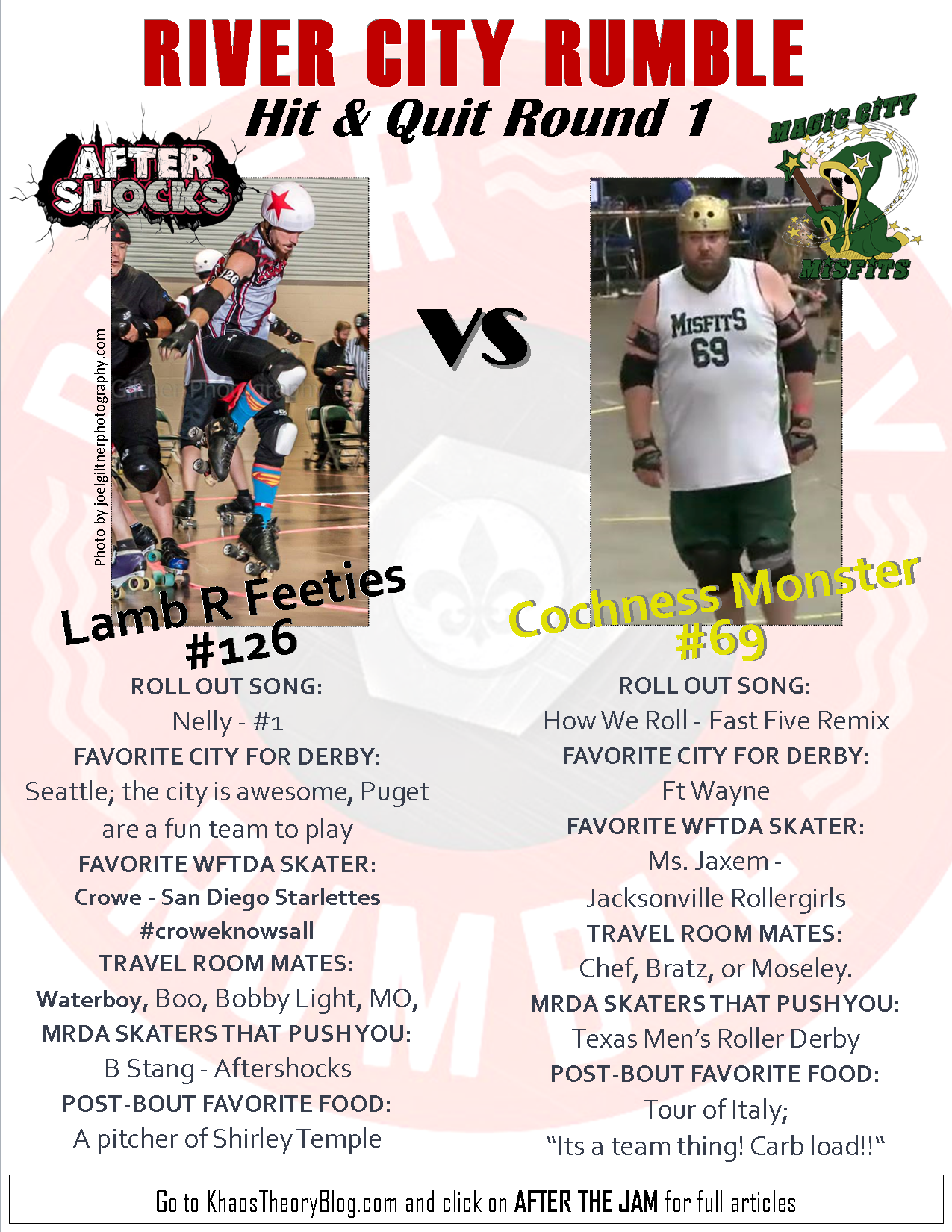


 for your comfort at the game.)





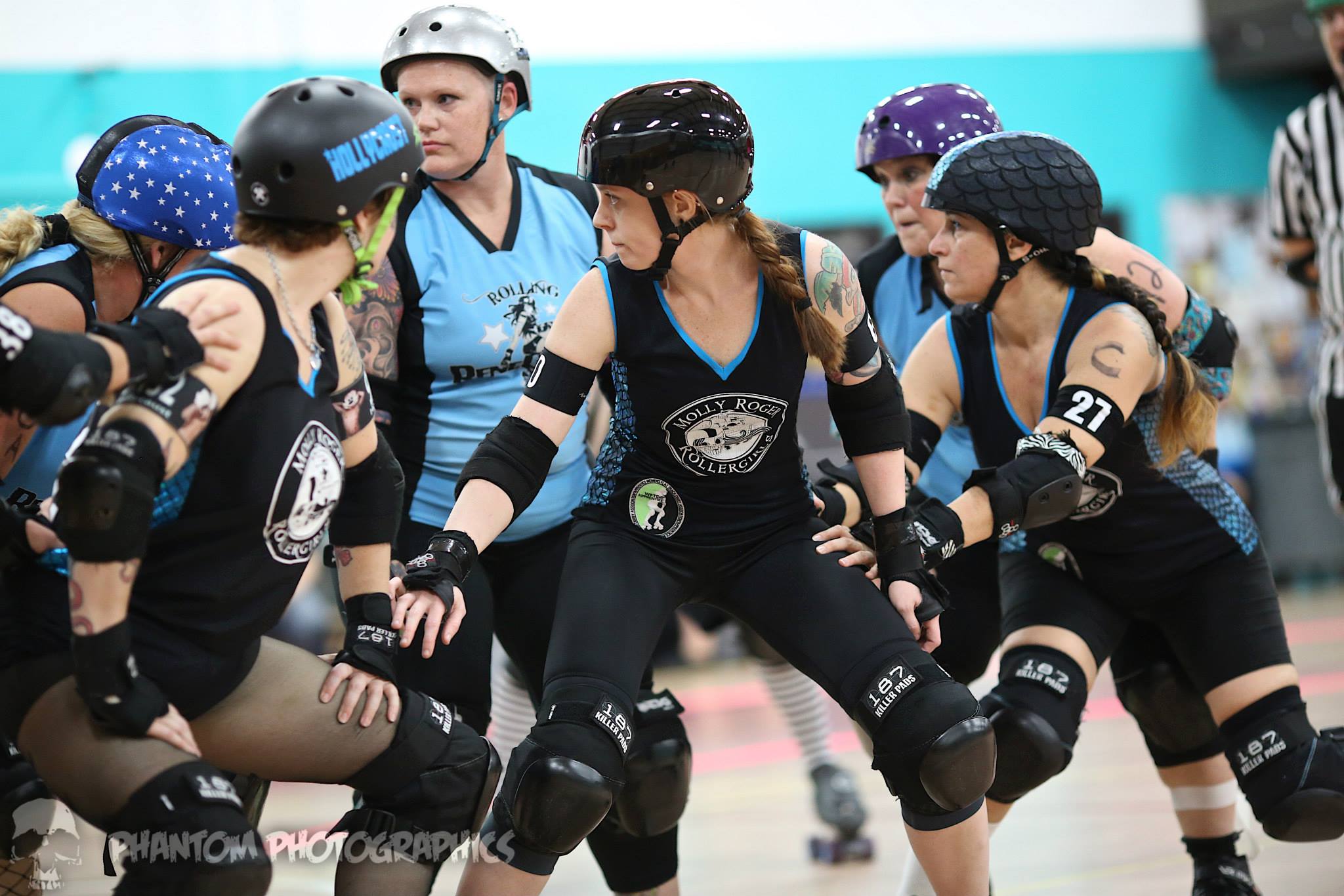

 ,
,  ,
, 


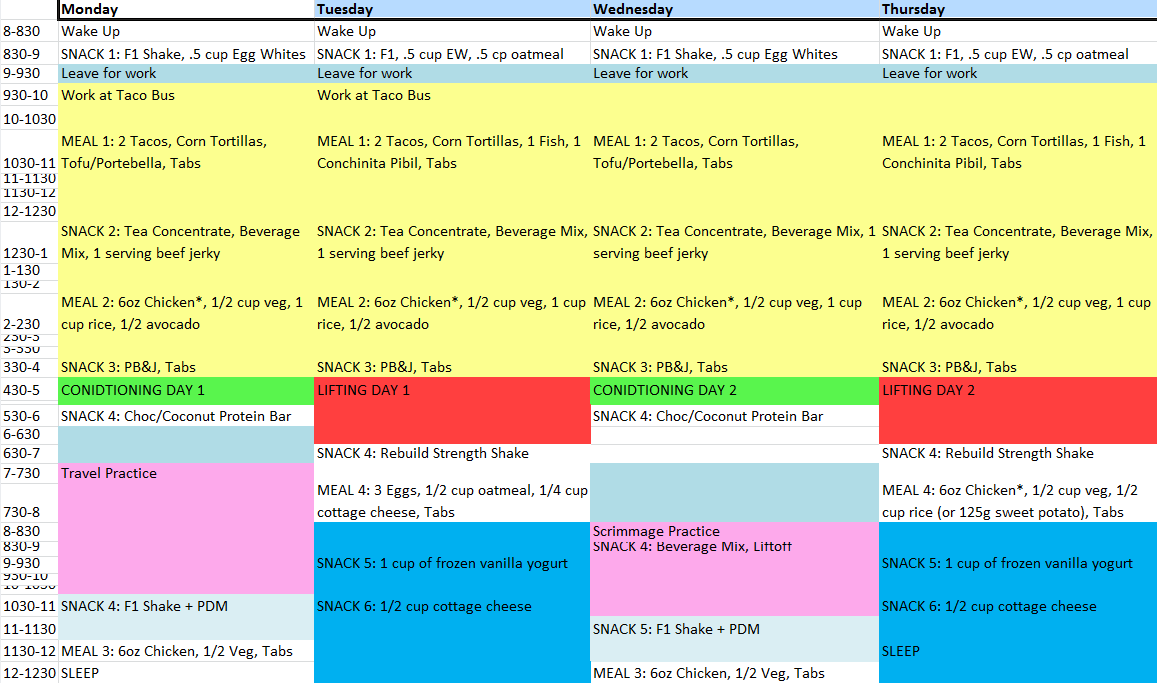


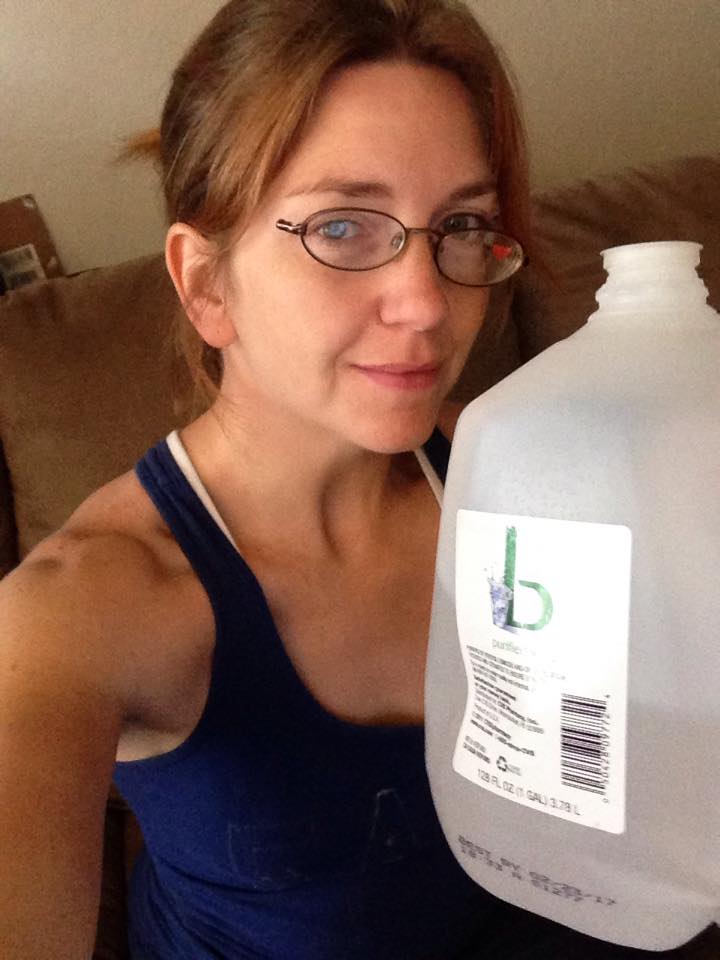


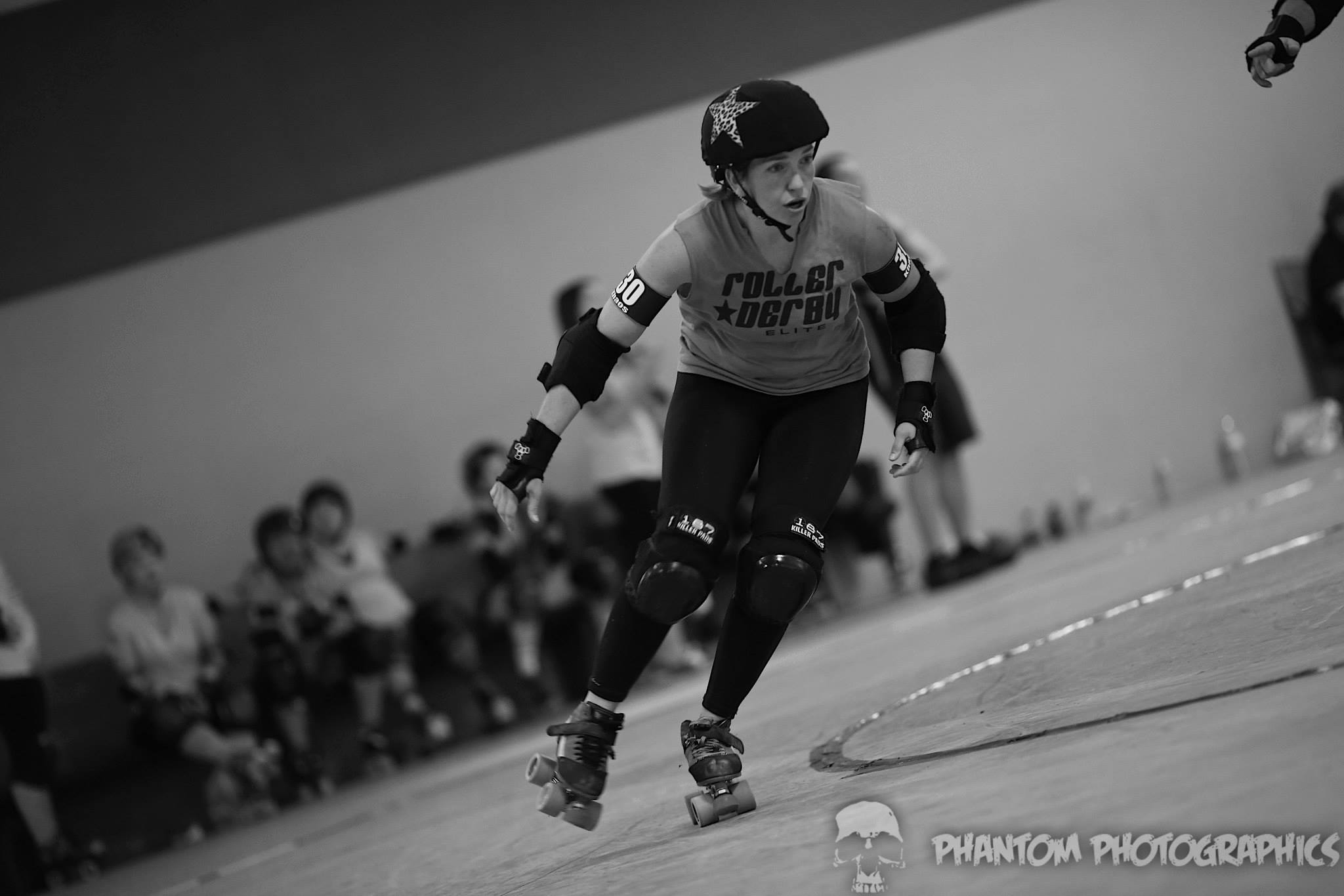


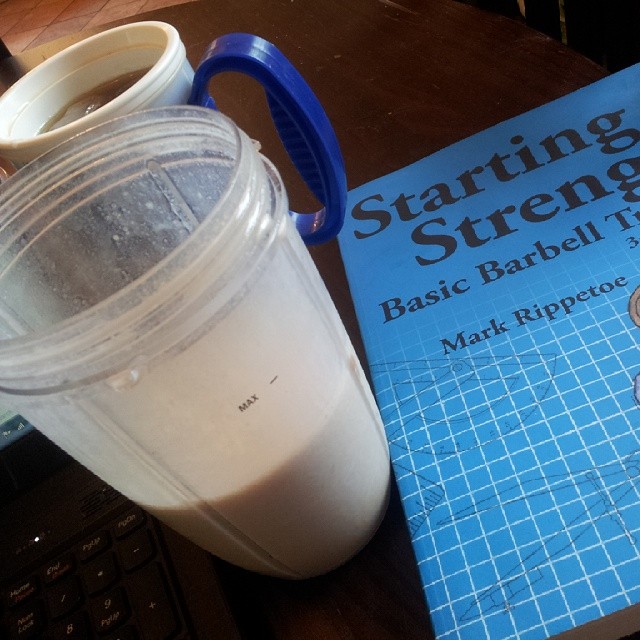
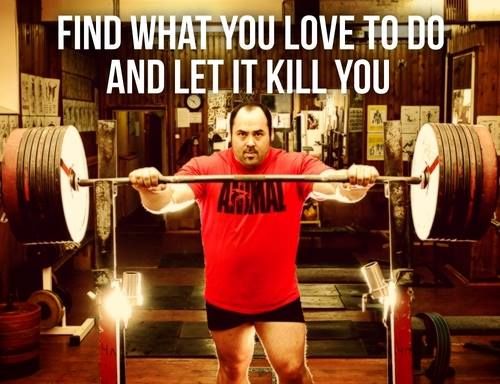
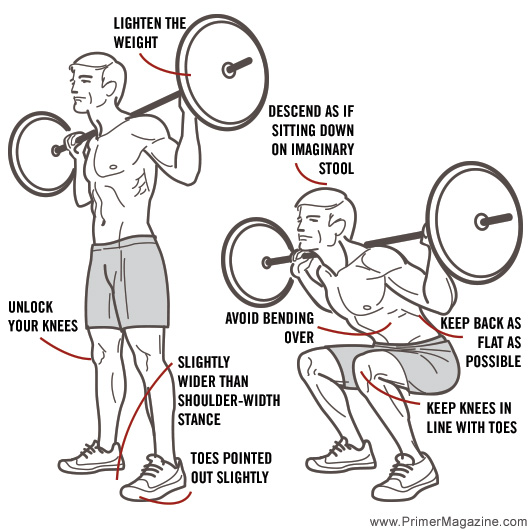
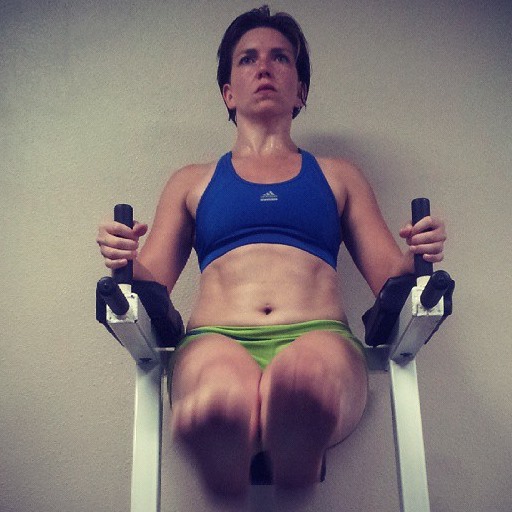


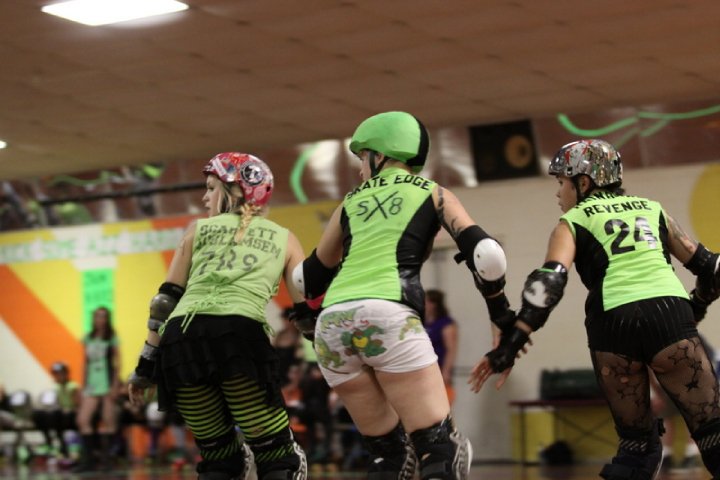

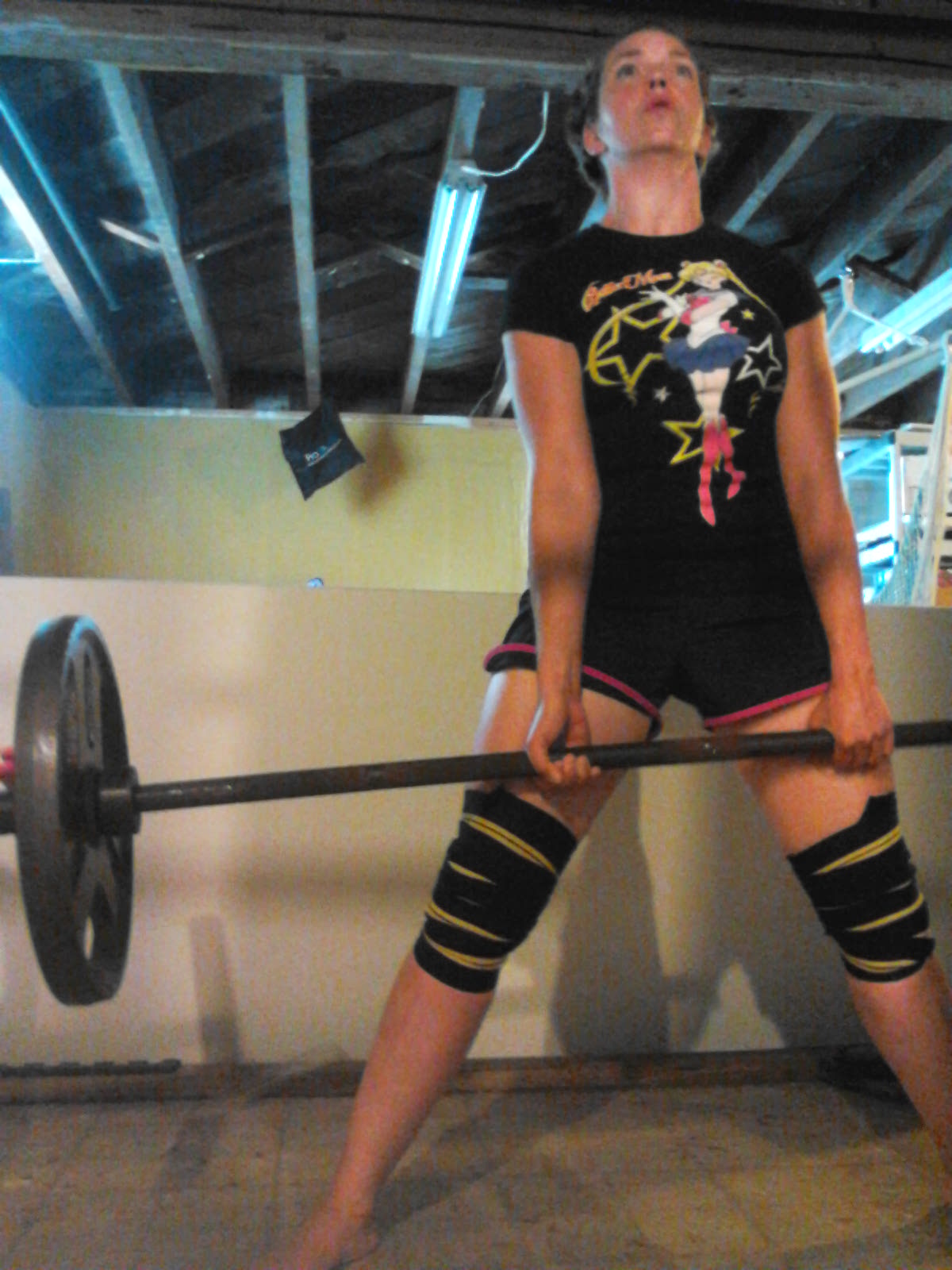


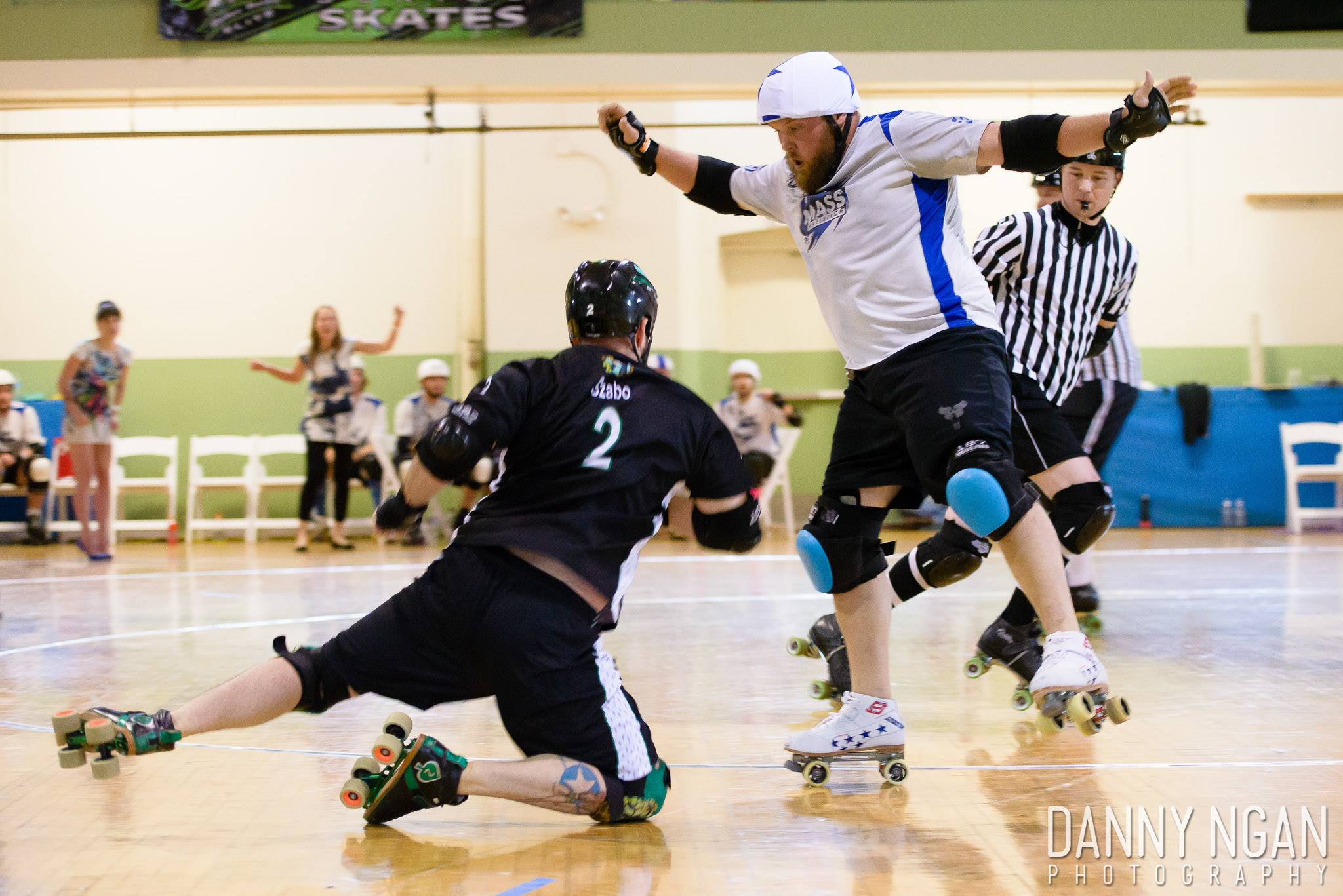
 Khaos Theory Derby