The life and times of Merry Khaos and her alter-ego, Kristie Grey. A romp through the inner workings of a mind in roller derby athletics, training, and business management.
Our goal is to win every game we play. Keep it simple, sexy. – Jonathan R
And New York Shock Exchange is making a good case that they’re going to do exactly that at Champs this weekend. As one of the oldest leagues in the world, and the first champions of the MRDA, NYSE has a long tradition of work ethic and dominance. Coming into Champs with a full, healthy roster (and a fire in their eyes from dropping to the #3 ranking) means that NYSE is going to battle every team like it’s the final.
Being an East Coast girl, I’m pretty familiar with the men of NYSE. Their friendly rivalry with Mass Maelstrom is the best we have seen in MRDA the Northeast. Getting the opportunity to go to Coney Island and see the evolution of NYSE over the years has been awesome.
Buster Cheatin takes away Cilantro’s momentum at ECDX. Photo by Tyler Shaw – Prints Charming Photography
Part of why [I think] Shock Exchange has continued having success while other founding MDC (Men’s Derby Coalition) teams have dropped to the wayside is not just the fact that they have access to an enormous metropolitan area’s worth of skaters or that they have Gotham Girls as their Big Sisters. It’s that the coaching staff has remained open minded about new strategies and training opportunities, while the skaters themselves continually re-dedicate themselves to the goals of the team. NYSE has always been on the forefront of new strategy and pushing the boundaries of what their sheer amount of skill can do. When I asked captain (and Team USA skater) Jonathan R why he thinks Shock has remained at the top, he had a very similar idea:
We have a continuous drive to be better and push beyond barriers. This is exemplified in our commitment to having regular practices in perpetuity as we seek out new ideas.
That being said, NYSE has had [in the past] the same kind of problem that Puget Sound has. The older teams have a style of gameplay that can only be labeled “SuperStar”. NYSE, in the past, has simply been more talented on their wheels than their opponents. NYSE would rely on their jammers to do all the work, and their blockers would spread out, take swings and make huge hits (with a high rate of success) and it was enough to win.
KenboSlice goes toe to toe with Menace at RollerCon. Photo by Brangwyn Jones.
As other teams have started closing the gap in the last couple years, NYSE’s style has shifted. You still see shadows of the SuperStar play, but now you have power blockers like Buster Cheatin’ and Chris Szabo pulling the team together into walls. Walls which thwarted Mass Maelstrom by a significant amount both times they met this season; Walls that saved them against the Bridgetown Menace at RollerCon.
Shock’s style of teamwork in a pack is a bit unique to other teams (again, more similar to Puget). While they work together, and move as one fluid unit, they don’t have the contact with each other that other teams do. When watching Southern Discomfort (for example), the men link to teammates until engagement begins. While NYSE always clusters near each other, the links are never as prominent (I have noticed). The downside is their partner may be slightly further than desirable, the positive is that it saves them on the multi player blocks, forearms, and high blocks that plague many Top 8 teams. Plus, the skill and awareness of the skaters let them get away with this kind of ‘dropped arms’ linkage to one another.
NYSE sticks close to contain WildStyle of The Replacements at the Mohawk Valley Cup. Photo by Hispanic Attack.
We shall see what happens at Champs with this. Mass Maelstrom is coming in with a bit of a chip on their shoulder and are focused on squarely and definitively beating NYSE. Their fluid diamonds and tight packs could be trouble for NYSE. If NYSE wins, they will square off against Southern Discomfort or the GakeKeepers. GK was the only loss of the year for Shock, while Shock was the only top 4 team that So Disco didn’t skate against when they came across the pond in the spring. All teams that face NYSE really have one thing to worry about if they want a shot at winning: NEUTRALIZE THEIR JAMMERS.
Particularly Jonathan R and Carnage Asada. Based on what I saw at RollerCon, they better keep a tight beat on I A M Havoc as well.
Jonathan R does not let physics restrain him at ECDX. Photo by Tyler Shaw – Prints Charming Derby Photography
I don’t even know how to explain how good Jonathan R is. It almost makes me mad when I watch him skate because I can’t wrap my head around how his simple, concise moves can translate into COMPLETE OBLITERATION OF THE DEFENSE. The man rarely looks like he’s even working. He is fluid, has complete control over physics (he may be a Time Lord), and even when he’s making RollerCon look like a CSI crime scene – the man is smiling and cheering on his team.
Carnage Asada doesn’t have the same ease to his skating that Jonathan R does. Highly effective with long legs and toe stop action to die for, Carnage’s plan is to make you over commit on your hit. He is patient and quick, breaking down a line one by one. Defenses are constantly having to shift from long fluid blocks and holds to contain Jonathan R, to the staccato speed of Asada. It makes them lose their rhythm. It simply works.
Carnage Asada does his thing at Mohawk Valley Cup. Photo by Hispanic Attack.
Havoc is up and coming for sure. A new Shocker, Havoc had been on the Dow Jones average to develop is skills. If Carnage and Jonathan had a jamming love baby – it would be Havoc. No, seriously – don’t make that face at me. Havoc has fluidity in his ducks and jukes, but can stop on a dime and use lateral motion to throw off the opposition. Still adjusting to the speed of the game, Havoc hasn’t always had success against teams, but in the GateKeepers bout at RollerCon the entire crowd got to see him Level Up.
The slippery minx that is I A M Havoc at the Mohawk Valley Cup. Photo by Hispanic Attack.
In fact, I would say all of the NYSE rolled over experience point to gain a level during that GK bout. I’m going to say the thing that everyone has been thinking and whispering but no one has said in a public forum before: NYSE, in the past, has relied too heavily on jamming skill. Particularly Jonathan R’s magic feet. When he suffered a nose bleed at RC, the GK’s score steadily rose, Shock looked a bit lost without their fearless leader. But then they figured it out. Then, the entire bench of Shock had this moment where every single skater stepped up and made adjustments and did whatever they had to for success. Every jammer that was a secondary brought their game to the level that Shock needed it to be.
NYSE works as a team against Bridgetown Menace at RollerCon. Photo by Brangwyn Jones.
If that team shows up for Champs? If Shock Exchange has maintained that level of “We need to do this as a team, we can’t rely on our jammers alone” – there is no question in my mind that they will smash through the first two rounds of their bracket while barely breaking a sweat. If they don’t work as a team, if they allow Maelstrom’s blockers to dominate in offense and defense, NYSE is going to have a hard bout ahead of them.
Teamwork at the GateKeepers at RollerCon. Photo by Brangwyn Jones.
Regardless, Shock is coming to play and I have a feeling we all are in for some amazing hard-hitting, strategy-driven, blow-your-mind roller derby.
Make sure you check out Shock Exchange’s Facebook to keep up with all the awesomeness that they have happening. The Dow Jones Average, NYSE’s B-team, is in the middle of an UNDEFEATED season! If you can get to a bout, you need to. Also, NYSE is raising money for SHOCK DOWN UNDER!!! They’re going on a tour of Australia with bouts and clinics on the docket, and they need a little help getting there. The FB has all the details and how you can support the strengthening of Men’s Roller Derby around the globe! Get hooked up with some rad NYSE merch at their online store.
I got to revisit this class at BEAT ME HALFWAY in 2014, so I’ve gone through the original notes and added in some stuff we did at BMH, but kept in the stuff we did at RC 2014. 😀 Anything BOLD is new content. There’s not too much.
I used to be a big fish in a small pond. I thought I was advanced because of how many points I would rack up during games, because of my jammer differential, because of my lead jam percentage, because I could own opposing players with my team. Then I transferred to a Top 20 team and, though I knew I was in for a humbling, I didn’t realize how humbling it would be.
It was awesome.
I have improved so much in the last year through changing my training program up and skating with Charm City Roller Girls (and now Tampa Roller Derby and Tampa Bay Men’s Roller Derby!). I designed this class to pass along the things I’ve done in the last year to take me from true Intermediate to a low-to-mid Advanced roller derby player.
Each skater approaches the lane on their wheels and must quickly transition to the toe stops, side step (preferably with the grapevine step) through the cones, and then burst out of the cones back onto wheels. When sidestepping, skaters should be facing the interior of the track.
If you have many skaters, make lines before each set of cones and have skaters rotate between inside and outside line as they go through. Skaters should challenge themselves to be as close to the line as possible. Think about where you are looking (not at the ground!), how straight are your legs (knees need to be bent a bit), and how easily you can drop your toe stops (they may need to be lowered).
AMENDMENT: If running on your toe stops is super easy, try different ways of running the line – forward, side shuffle, side-step crossover, and also BACKWARDS through the cones! Try all the new things!
How to set up the toe stop run cones
BACKWARDS LATERALS
Using the cone pattern shown below, skaters have to move backwards to each cone. THEY SHOULD NOT SHUFFLE STEP, they should use backwards crossovers to get from cone to cone.
At each cone, skaters should use a one foot plow stop to stop COMPLETELY before moving on to the next cone.
Focuses: Stopping as CLOSE to the cone as possible, getting from cone to cone as QUICKLY as possible, and spotting the cone then looking forwards again. We want to work using periphery and not relying on having to stare at an object to get there.
If skaters have trouble with backwards crossovers, have them create small Cs with their feet to get them going. If skaters have trouble starting the lateral, wiggling the butt is a great way to get started. You can also do a pivot on the front wheels to start the motion.
Pattern of movement for backwards laterals
EDGING AT THE LINE
Every skater will need a straight line of clearance on the track. For 30 second intervals (at first, you can bump it up for more advanced skaters), skaters will push off from one side of the track. The goal is to get from one line to the other in one push, and use their edges to stop as close to the line as possible. A video will explain this better, but here’s the procedure:
Standing at the outside line
Inside foot points towards your destination. Outside foot pushes off of the outside edge of your skates to get momentum. All weight on the inside foot.
Put the back foot down on the floor, pointed at the spot you pushed off from, and transition your weight onto that back foot.
At the inside line, ‘stomp’ your foot (push into your edges) in order to stop your momentum
Remember to keep your center of gravity low, but you probably won’t be able to do this in SUPER low derby stance.
Do intervals of these. I like to do at least 3 30 seconds worth of practice. This will lead into the next drill.
STEPPING IN FRONT AS A WALL
We’re deviating from the flow of the class at this point, but I don’t care, it makes the most sense to explain this after the edge to edge work.
In groups of four, have everyone number off. This is their number for the whole drill. The groups will skate around the track in a four wall (hopefully winging out in the corners, and practicing all other good fundamentals of wall work as they do so).
The person controlling the drill will stand in the middle and call out numbers at random intervals. When the number is called, that person “has the jammer”. Their job is to tell their team mates. Their team mates job is to step in front of that person as quickly as possible while maintaining their wall. The person who was called IS NOT DROPPING BACKWARDS – EVERYONE IS COMNG FORWARD. The person who’s number was called should do some lateral motion for a three count, and then re-enter the wall quickly and efficiently. The person calling the numbers should do so every 7 or 8 seconds at the beginning and then you can get faster as the drill progresses.
A NOTE: I have not done this drill yet where there is at least one person/group that does not understand the “Count to three and then get back in the wall” concept. There is always a person who will hang out behind the wall and look at you confused (and sometimes angry) when another number is called and they’re not in the wall. If you figure out a way to eradicate this, please send me an e-mail.
HIPS IN FRONT
Back to solo stuff! This is something I go over in the video. You want to pair up and have partners (first at a standstill, then rolling) work on moving their hips in front of an opponent. The skaters should be hip to hip, and then one person at a time will work on stepping just in front of the other person and moving their hips to establish position. There’s a big of a hip swaggle that happens. You have to get a little sexy with your partner.
CREATING SPACE TO KNOCK A JAMMER OUT
Jammers are really good at leaning on our backs and making it impossible for a goon defensive skater to come out of the wall, and knock that jammer out of bounds. Often times, there’s just no room for us to get our shoulder or hip in front of the jammer to walk her out of bounds. So, we need to know how to create space between ourselves (the wall) and the jammer who is leaning on a seam to get through.
These are not supposed to make HUGE impacts. When you’re practicing these, if it feels like the opponent isn’t going very far, it is ok! You’re just trying to create a breadth of air. These may not be used all the time, but you want to be able to know how to use them.
CAN OPENER (Johnny Crash, any number of other names)
In pairs, have one skater leaning on the back (legally, no back blocks!) of the other skater. The skater in front will practice throwing her shoulder backwards to pop the opponent off of her shoulder.
BOOTY POP (Twerk, and any other silly name you want to give it)
Same set up to practice as the can opener, this time, instead of using the shoulder, you are going to pop your hips backwards into your opponent to create space.
A NOTE: For both of these, you must have proper derby form. That is to say, strong back, tailbone tucked. If your ass is exceptionally extended behind you, you will have no booty to pop. You will have no contact with the jammer before you throw the can opener.
TAKE IT UP A NOTCH: Next time you practice walking a jammer out of bounds with a wall in front, have your skaters practice these techniques to create space. When I am blocking, if I can’t get my shoulder in front of a jammer, I will yell to my wall, “Pop her!” and they know to throw a shoulder or hip to make room for me.
BREAKING WALLS
JACK HAMMER SHOULDERS
Just like you can use your shoulders to attack people while blocking backwards, you can attack a wall with ‘jack hammer shoulders’. In groups of 3, have one blocker press up against the seam created by the two wall. (S)he should use her shoulders [independently] to hit the legal pieces of the opponents to create some space and hop thru the hole. Bonnie Thunders does this ALL THE TIME.
ASS IN THE GAP
This is something that not everyone will do well, or should do at all. This is another tool for the tool belt. You will have your two wall (like above), and the jammer will get a little bit of speed (the two wall should be rolling), and right before she gets to the wall, she should transition backwards and thrust her ass into the seam.
In order to do this successfully, you must fold yourself in half and propel yourself into the seam, you cannot turn around and attack the seam at a full stand up. It doesn’t work. Snot Rocket Science (Steel City), Holly Go Hardly (Charm City), and Skinny Guinea (Brandywine) are some skaters I’ve seen do this in bouts. I am trying to find gif footage!!
YOU’RE FACING THE WRONG WAY!
Ok, so we love backwards blocking these days. However, many many many skaters use it too much, and incorrectly. If you are backwards, and catch someone, you have two options: 1) Hold that skater until your friends come to your rescue or 2) pop them a bit as you turn around to face normal derby direction [which is where you have more power and control and are less likely to incur a pentalty].
To make the opponent hurt, and give you a second to turn around, you will pair up. The jammer will press into the blocker. The blocker will practice the quick succession of throwing a shoulder into the jammer (as practiced before), turning 90 degrees, and popping the jammer in the sternum area, completing the turn to establish contact with the booty of the blocker. There is no 3rd hit necessary. Shoulder facing the jammer, shoulder at a 90 degrees (at full speed it’ll look like a hockey stop with your feet), finish the turn and establish position. It is quick, it is sharp, and you have to bob with your legs on the second hit a little bit.
TO THE LINE! (PARTNER ASSIST)
In pairs, you will practice a cannonball to the line. I like having one person practice for a length of time and then switching. The pair will start in an ‘unsuspecting’ two wall. The person throwing will push their partner to the line, catch their arm, and keep them in bounds. They will then reset into a two wall. The person being thrown will be loose enough to be thrown, extend the ass over the line as FAR as possible (fold yourself over like when you put your ass through a seam as described above), and keep your skates in legal ground. Immediately reset into a two wall ON THE LINE. Then move back towards the center of the track to do it again.
See video for more explanation of this move!
NOTE: Do not anticipate being thrown on this!! Try and simulate how it would actually happen in a bout. You’re not going to be set up for a cannonball with the jammer approaching, so don’t practice it here.
Crazy Legs Drill
Two lines of cones should be placed about every ten feet in a line, and just wider than the track. Skaters are to ‘lead with their knees’ and move their feet in small, edging motions to get across the track. Toe stops are not to be used (in fact, I would recommend doing this drill during a practice where no toe stops are allowed). This is not a shuffle step, or a crossover. They are small, sometimes gliding, steps and stops where you control your speed and balance with your edges.
Your hips are always facing forward. Once a skater has reached the cone by going across the track, they should move up to the next cone at a diagonal, and use a one foot plow stop at that cone. Try and get as close to the cone as possible. Then, move across the track again. The first time through, the crazy legs should be moving to the right, and they’ll be gliding to the left. Reverse it for the second time through.
ADVANCED VERSION:
Do it again, but this time, keep your head over your shoulder. Pick ONE shoulder to look over the whole time. Move across trying to keep your eyes on that spot behind you for as much of the crazy legs as possible. You can also reach your hands behind you, pretending that there is someone on your back, and you are just making a one second contact in order to know where they are.
The very last gif on this page has an example of the “3 second check”. This is Tony Muse (Peter Pan) of Your Mom executing in perfectly. Look for the gif with the description: The “less-than-3-second-hand-check” rule can effectively widen your wall by up to a few feet on each side. Just be careful it doesn’t turn into a forearm block.
Don’t be a drill dick. There’s a lot of skills in here that involve some practice. Don’t make your two walls ridiculous – make them realistic. No two wall is glued at the hips and body from the moment the jammer approaches, because if they were – the jammer would just go to the outside, and that two wall would be rendered ineffective. Keep some space. These drills are just as much practice for the blockers as it is for the jammers.
Blockers should practice keep their brakes on as jammers challenge them, and keep it challenging (but not asshole level).
Outside of derby: Start lifting weights. If you want to know why, read my blog about PERSPECTIVE SHIFT!
This was a class about getting to the next level, so I gave a similar speech in the class and I will type something similar here:
Roller derby is not always fun.
I know that we like to think it is. We like to tell ourselves that derby is a blast and amazing and fun all the time. Guess what? If you really want to improve, you are going to have to train. If you train, it’s not going to be fun all the time. Getting better is not fun. Knocking a bitch over in a game is fun. Winning is fun. Knowing that you just deadlifted twice your body weight is fun. Pause squats are not fun. Falling is not fun. Persistent sweat, pain, and failure is not fun. However, it is necessary for improvement. I did not get awesome at footwork magically. I simply did things over and over and over. I fell. I pushed. I lifted. I flipped tires. I cried. I bled. I sweat. I bruised.
It is not always fun, and that is ok. If you’re not ready for it not to be fun, than you may not be ready yet to advance to the next level. Everyone has to decide their level of commitment and level of training they are willing to accept. (And sometimes, team mates, you have to be accepting that your team mates may not be at the same level of commitment that you are.)
Go forth and be awesome!! Thank you again for anyone who came to my class at RollerCon 2014, make sure you tell them that you love me and you want me to teach more! If you want me to come to you, or if you want me and DNA Coaching to come to you – drop me a line at DerbyAmerica@yahoo.com … I also am a health coach with DERBALIFE and it has changed the effectiveness of my training. Get with me for more info!
Living in a house with powerlifters and bodybuilders, and going to a ‘sweat on the walls’ gym has opened my eyes about training in the last eight months. Not just training for personal gains, but the way roller derby, as a sport trains itself on the track and off. There have been many conversations breaking down the conventions of training in roller derby, and comparing to the conventions of other sports.
Along with rhetoric, I have seen my own progress jump dramatically since beginning a 5×5 powerlifting scheme. I was able to track a noticeable difference in a new league from January (first practices) to May (home team champs), and for me the proof is in the pudding.
Me powering past Allie B Back – a thing I could not do when I came to Charm City. Photos by Tyler Shaw – Prints Charming
We are a new sport. We’re still trying to figure out how to play the game, much less how to train for it. I’ve noticed some habits and some structure about our training process that is not helping us improve ourselves and will not help the sport as we pass it on to our daughters and sons. I wanted to share some things, quickly, that I have been pondering. I’ll be doing expanded writings and I am restructuring the training book I was writing to reflect these new insights.
I think I’m going to get a lot of finger waving at the end of this article. We, as a community, have not be super stoked to hear that we may need to change things. We certainly don’t like hearing that there are ways outside of our league to look at training, business, or the basics of derby. Trust me. I have seen the wrath of derby girls faced with change. However, here I go again, putting my ‘radical’ ideas out there. Feel free to post at the bottom how much you disagree with everything. 😀
Background
When looking at our history, I believe the protocol of training today is largely based on what the women of 2008-2010 did for their own training. Stick with me on this one: This is when the sport started to boom. Suddenly, women of all ages and skills were coming into a rapidly evolving sport. At this time, the average age of the derby skater was PROBABLY between 28-32 years old.
Many of these women had never played a sport before; their way to train to improve was to simply skate more (and that definitely has to be considered in a training plan when you have no experience on roller skates). Some of us caught on that we needed better fitness in order to compete with the women who already had a few years jump on us. This led many of skaters to begin using that derby buzz word: Cross training.
Most of us didn’t know what cross training really meant, or how to approach off skates training for roller derby. So this misconstrued system of Insanity training, land drills, and long distance running started cropping up as part of our system of preparation for bouts.
Myself and Trixie Twelvegauge were the first at HARD to hit the workout bandwagon. She was doing P90X, I hitting weight machines and cardio at the gym.
This brings up my first point:
We need to stop training for fitness
Most of the derby skaters I meet do their ‘cross training’ in the form of high fitness workouts (CrossFit WoDs 4x a week, P90X, elliptical training, Zumba, hours of yoga). Ok, before you get angry let me explain where I’m coming from:
If you are skating 3 times a week at practice, and then going to the gym and doing 2-4 days a week of high cardio work, you are really just burning muscle (and some fat) and [if you’re eating right] getting cut muscles. To look cut is rad, but does not help your explosive power or your recovery from one burst of power in a jam to the next (and it certainly does not help when you get slammed by that 200# blocker looking to take your legs out). Elliptical training does not help prevent bone injury. P90X won’t help you break a wall.
Training like you’re trying to lose the Freshman Forty is not the way you should train for roller derby to be successful in the long term. Training in a way that is purely fun or aligns with your social conventions does not make you better at any sport. These workouts that we’re talking about should be done as secondary conditioning and accessory work. They should not be your primary source of training off skates.
From my instagram in 2012: “Woke up early. Was slightly dehydrated from drinking last night. Went running anyway. Goal: Patrick Aitforce Base. There and back: 9.67 mi. One hour, 55 minutes. No one thought I’d do it.” Though impressive .. WHY DID I FEEL THE NEED TO RUN 10 MI FOR DERBY TRAINING?
We need to redefine ‘beauty’ within our sport
Oh yea, roller derby loves say that “every shape is beautiful.” Our at home ‘lose weight’ training mentality shows that we are more generally more concerned with 6 pack abs and long, lean limbs than any of us realize. We are fighting the conventions of beauty, especially those of us over 30; we get easily concerned with the myth of a slowing metabolism and how our younger team mates, or the folks at the pool of ECDX will view us. We are more concerned with society’s vision of beauty than we are with what it means to be strong and at low risk for injury in a contact sport (ie having some cushion and mass).
And it’s not just women. Men are not safe from these social norms of beauty and sex, and I have many friends that end up questioning themselves over it, regardless of their strength or abilities.
At RollerCon, there was a very short challenge bout with shirtless men: Magic Mike v Chippendales. On social media sites, admittedly, I was part of the sexist storm of commenters. (One, it’s fun. Two, men in our sport is still pretty new. As a derby-obsessed, straight, single woman of not as many years – it’s nice to be able to turn the male gaze away from the sexy derby girls in fishnets and pigtails and put the female gaze on the shirtless men sweating and hitting each other.)
Side note: I was just excited to see an all-male challenge bout. The shirt off thing was just an added bonus.
The men of Magic Mike and Chippendales (and there was about $1000 raised for charity too!) Photo by Jill “Jilljitsu” Dickens 2014
Leading up to it, I had several men contact me asking if there was any way to adjust their fitness or nutrition to get better abs in the couple weeks leading up to RC. (I had to disappoint them and say, “unless you want to do some drastic changes and not drink before the bout, there’s no magic pill to shed all the fat in a week”) After the bout, I was asked a question by a skater who is arguably one of the top 5 male skaters in the world: “Did I look gross out there? You know, with my shirt off.”
**Mouth Gaping Open**
First of all – do you know who you are? Are you sure? Secondly, yes, you look great! (I was trying NOT to look too much, actually. I know many women who did NOT restrain themselves.) I wanted to yell at him: “You may not have the photoshop-crafted abs of an Ambercrombie ad, but that’s ok. Know why? DO YOU KNOW WHO YOU ARE?” Seriously! That bout was sexy in every way, but mostly because highly skilled men were playing roller derby. They could have been playing in parkas and it would have been an amazing bout (though you’d probably have to burn the parkas afterwards due to all the sweat).
The men of Magic Mike v Chippendales – all shapes, sizes, but all beautiful and skilled. Photo by Jill “Jilljitsu” Dickens
We need to release the ideals of Western beauty and embrace the awesome of each of us. If you’re skinny: fantastic! If you’re not: fantastic! If you’re jacked naturally: great! If you have skinny arms: that’s cool! Now let’s lift some heavy shit, flip some tires, put on our skates, and hit each other without worrying about being judged by our team mates about our body.
I have written about this before. It’s a struggle for me big time. I’m single in a growingly co-ed sport. I also powerlift. I am trying to be highly competitive at roller derby. I had the internal conflict months before RollerCon: do I want to look awesome in my bathing suit, or do I want to be able to get past Tink on the track?
There was a moment where I thought to myself, “Oh wait.. it is hella sexy to be able to get past Tink on the track. So, in theory, if I accomplish THAT, I will look AMAZING in my two piece, because it’ll be ME.” (At least that’s what I keep telling myself)
When I really think about it, beauty conventions vs training modes may be our biggest adversary.
Also, friends don’t care what friends look like in bathing suits. Right, Icewolf?
We need to start training for a contact sport
No football player is doing 5000 burpees to prep for the season. No rugby player is only doing yoga to prepare for the pitch. No hockey player is trying to cut to a ridiculous body fat percentage mid-season. Roller derby is a brutal, physical sport. We need our training to reflect that physicality and hardness.
A CONDITIONING day at CrossFit is awesome. Remember that time the smallest team kicked everyone’s ass in tire flips? I do. Joc and I did 115 of the 154 on our own. BOOM.
Like any other sport, there are a variety of pieces to the training puzzle. I am not implying that anyone should cut their WoDs, or their yoga, or their P90X completely. To be successful, the incorporation of weight training and conditioning must be included in our system of norms as the primary ‘cross training’ piece, with the other stuff as accessory work. We need to train for strength, not weight loss.
Side note: Many skaters come in, as I had said, with no athletic background. Many come in overweight and out of shape. For many skaters, fat loss does need to be a part of their training consideration. Too much weight in a roller sport means extra strain on knees and hips, and the higher probability of injury. However, let’s not get obsessed with getting from 23% body fat to 19% body fat [like I was].
Was I proud of my 135# runner body? Yes! Could I survive a hit? NO.
“The improvement of performance in athletics over the past few years has been phenomenal. For example, twenty years ago the average football lineman weighed 250 pounds and ran a 5.2-second 40-yard dash. This was considered to be nearing the genetic limit for a player. Now running backs that weigh what the lineman used to weigh are running 4.4-second 40-yard dashes! Strength training has made the single, most positive contribution to this type of improvement. Today strength training influences every athletic program in the country, no matter what the sport – male or female. Athletes now find it necessary to lift weights and participate in conditioning programs to better prepare themselves for the competitive rigors of the athletic season.
Just a short time ago, most coaches thought that strength training would cause athletes to become muscle-bound and would be counterproductive to good technique. Now it has been proven that athletic performance depends either directly or indirectly on qualities of muscular strength. We must remember that strength builds the foundation for ALL other athletic qualities. For example, if you do not possess great relative body strength (strength in relation to your body weight), you will never be able to run fast. This is due to the fact that all aspects of proper running technique require high levels of muscular strength. In other words, if you can’t achieve the proper knee drive, arm swing, posture and push-off, you can’t be fast.” (DeFranco)
You call it extreme, I call it “what it feels like 185# on my back”
Let’s be real honest here: Weight training isn’t fun. It’s fun when it’s over. It’s fun when you successfully lock out twice your body weight on deadlift the first time. It is fun when your friends tell you that your arms are awesome (Your derby friends will say this, of course. Your lifter friends will comment about the improvement, but will never imply that you are at the pinnacle of your journey). Not every hockey player likes to lift weights, but they do it because it is necessary for improvement. Every player of every competitive sport lifts weights because it is necessary.
“But Khaos! We’re on roller skates. Look at how successful all the speed skaters are in our game. They don’t lift weights. If we just spend more time on our skates, we’ll be successful.”
“Weight training for speed skaters is not all that different from what you see in other athlete strength programs. The key for skaters is to build up strong legs and core. They also put quite a bit of emphasis on balance.As for the legs, squats of several varieties are important, as are leg extensions and hamstring curls (and so much more). The upper body work is also important and typically includes a tremendous amount of midline work. It is typical to see these athletes utilize some basic strength programming including supersets and dropsets in different capacities and arrangements.” Read the whole article here (it’s got a lot of good training tips in it!!) (Chasey)
Also, can I make a note that the top men’s team in the world, Your Mom, does not spend all THAT much time on their skates? They don’t have to train their skaters how to do crossovers, they can do that on their own time (and I’m talking the none speed skaters too, folks). And Gotham? They have weights in their warehouse so they can make weight training part of the weekly program. The focus is more on the strategy, the training, the understanding of the game than it is on using practice time to go over 360 turns.
We need to properly warm-up and cool down for practice time
A 2 minute dynamic stretch is not enough to get our bodies primed for the hell we put it through on roller skates. We are not teaching our new skaters how properly warm up before activity and subjecting all of us to the probability of injury. On the other side, it is rare that I have been a part of a practice of any league that has a proper cool down.
Full Commando is disappointed at your lack of cool down.
When I was with Harrisburg Area Roller Derby, we had an amazing volunteer who was dubbed Full Commando. He was our Yogi. At the end of each practice, we would spend 15 minutes doing yoga designed to bring down our heart rate, stretch us out, prep us for bed (Harrisburg practices ended at 11:30p), and prevented future injury. When our sister-in-arms, Stella Stitc’Her broke just above her ankle, she had minimal ligament damage. She told us that the doctor had attributed to the flexibility developed through skating and yoga at the end of practice.
We need to understand that sometimes, less is more
I came from the P90X-obsessed mentality of “If I’m not wasted at the end of my workout than it wasn’t a good workout”. I have come to learn that you can put in excellent work, and an appropriate amount of excellent, hard, teeth-grinding work … and sometimes you feel like you have more to give at the end of the workout. And that’s ok. In theory, everyone should be running a specific program (do what the numbers on the sheet tell you – don’t make it up as you go). Programs are designed for certain things on certain days. Deload weeks in weight training may be boring, but they allow your body to rest so that you can perform stronger the following week.
This also touches on the subject of CrossFit. Those of us who have done work in a CF box may have the thought ingrained that you have to go until failure. True progress does not [always] require that. Look, imam just leave this editorial (written by a certified CrossFit coach) RIGHT HERE about the “keep going” culture created in CF gyms. There should be pain and struggle and a question as to whether you’ll finish your rep, but having been lifting for a while now – that last set of 10 pause squats feels SIGNIFICANTLY different than that last 5 minutes of “Super” Angie.
The CF mentality. While kind of funny, and kind of motivational, when you look at the core: it’s scary. You’re EXPECTED to pass out. There is a difference between pushing to limits and pushing to unsafe measures. PS I know not all CFs encourage that culture. But a lot do.
If I didn’t get enough people riled with that section, let’s see if I can stir the pot with:
We need to restructure our season
And in turn, how our rankings are created. Have you ever encountered any sport where athletes train 11 months out of the year?
Roller derby athletes do not have the benefit of the pre-season/season/post-season/off-season structure that other sports have firmly in place, that determine their intensity and type of training. Derby is forced to ignore the season and mash all of their training, as best as possible, into each week of the year.
Strictly home team players are the only ones that [seem] to get any kind of break from gameplay, but it is the travel team skaters that you want to be fresh. January through June is when most travel teams smush most of their game play into, right?
But now with the new WFTDA rankings, more all-star teams are pushing their seasons later into the fall to be sure they maximize the equation in place currently. Plus, if you do make a divisional tournament, your now have an extra 3 game week of intense play put onto the end of your season [a month or two later]. If you make champs, you again have another intense weekend ahead. If you play on a home team (which most leagues require of their travel teams), then you have extra competitions layered into your already intense season.
2014 WFTDA Divisional Post-Season Photo by the WFTDA
Men are running into this too. The MRDA ranking system is still shaking out its bugs, and as of right now the majority of rankings come from the January – June season. However, July and August are the months where you get your final shot to break that Top 8 for champs. There are teams playing tournaments into these months for a shot to increase their rank. Then? They won’t play until October.
From what I understand, USARS has a similar schedule for their championships. Oh, which some flat track teams have been participating in. Add one more piece of your season in. Then there are also the extra tournaments…
The last couple years we have another element to think about: mash-up teams. All-Star mash-up games and tournaments are being placed in the only off season that organizers can find: the winter. This means that players on your top tier are never resting. Their only chance for a recovery period is if they actually injure themselves.
Battle of the All-Stars. State Wars. World Cup. All extra tournaments played by top tier athletes on non-ranked teams.
This is a real problem. This is seriously going to hinder our sport from achieving maximum levels of top competition. We are destroying our athletes. This needs to seriously be taken into consideration. We are the only sport I have found where ranking competition can (and does) take place in any month of the year.
Recently, I took a couple weeks off to start to heal up my ankle. I skated a scrimmage here or there, but really nothing major. I was concerned about getting to RollerCon and having no idea what I was doing. They say you lose it a bit as you stay away from the sport. You know what actually happened? 7 out 9 bouts I felt on top of my game like never before. Coincidence? Maybe. Rested? Definitely.
SUBTOPIC: Rest is cool
In general, derby doesn’t like to rest. #NoRest. But recovery in your weekly routine is critical for healing, progress, and injury prevention. Teams that play a 4 game event on Saturday/Sunday and then turn up for practice on Monday BECAUSE IT’S REQUIRED are at a greater risk for injury. Your muscles need to a chance to rebuild after a game. Teams really need to look at their practice schedule and include ‘deload’ time before a game (like not scrimmaging), and recovery time right after a game (like canceling practice or doing a couple days of non-contact, lighter skills, and team work basics).
We need to stop encouraging a culture where unhealthy eating is cool
That’s great that you got cheese fries and a beer after practice. It won’t help you recover. That’s awesome that you’re taunting your friend who is drinking her shake for the first time that you’re eating a burger while they’re trying to limit saturated fat. You’re making her feel bad for a healthy decision just because you don’t want to make it.
Not everyone is going to be into eating like an athlete, and I understand that. But can we please stop this culture of “Doesn’t bending over for a cupcake count as a squat?” No. It doesn’t. It’s fine that you don’t want to be at the peak of your game, but don’t mock others for their athletic nutrition. And if you do mock? Don’t be offended when they lap you during cardio, start getting more play time on the team, or transfer to a better league because the current league has encouraged the bully culture.
The sad thing is that it’s usually our friends making the jokes. They think their being funny. It’s not funny.
One more thing to make me unpopular… our AFTER PARTIES. Can we please talk about not encouraging our athletes to drink copious amounts of alcohol, while providing fried bits of vegetable-like substances, and dinner rolls? Can we talk about an after party that is for the fans, not for the athletes so much? You can try and tell me (and yourself) all you want that beer is a fine post recovery drink, but guess what? It isn’t. Plain. Simple. It doesn’t count. Here’s a short read for you.
Final thoughts
Ok, this blog ended up being WAY longer than intended, but I needed to start putting these things out to the universe. I feel very strongly about starting this health and strength revolution, and I’m glad to know I do have some other people on my side. For our sport to get to the next level of athleticism, and to be one step closer to professional play, we must take a hard look at our training: How it is structured, why it is structured that way, the culture that supports/negates it, and our behavior to our fellow skaters. We need to put these things on the table within each league so that, one by one, we can revolutionize roller derby for the betterment of the sport and our athletes.
Strong, unafraid to have guns, eating healthy, lifting weights. Watch out WFTDA.
My name is Merry Khaos, I am a member of DNA Coaching and a health and wellness coach with Derbalife. We are currently booking boot camps for the next 15 months. Send me an e-mail at DerbyAmerica@gmail.com to get the ball rolling on having us come to your league. Want to incorporate a “how to train for roller derby” day? Let’s do it! I am also available to help you piece together a nutrition plan and training schedule so you can smash through your goals. Let’s work hard together!
I love this class. I love this class so much, and I will submit it again next year! I hope that it gets on the schedule more than once, because everyone has a blast. The point of this class is to do something OTHER than derby in order to work on fundamental skills.
Many of us get White Jacket Syndrome when we practice plows, hockey stops, edging, etc at training sessions. We have our coaches watching. We want to impress them. We want to get on that next roster. We’re worried about the skills of the people around us compared to our own. These games take that out of the equation. This is great to mix skill levels into, because you’re taking derby out of the equation – so EVERYONE is learning at the same pace. Though advanced skating skills can definitely be an advantage, there is more than pure experience on skates involved for most of these games.
Ultimate Roller Derby Props needed: 2 balls larger than a baseball
Focus skills: Teamwork, communication, awareness, multitasking, periphery vision
This is the game closest to roller derby. Only with an Ultimate Frisbee twist.
Each jam is 2 minutes. Teams field the same players as usual, and we play on the derby track. Each team on the track has a ball. Players on that team must pass the ball THREE TIMES, successfully, between themselves in order to let their jammer try to leave the pack.
The ball must always be PASSED, not handed off and opposing players are allowed to block passes. If the ball hits the floor, or is caught by an opposing team member, the 3 count is reset. After 3 passes are successful, the jammer (and to make it more advanced, the jammer OR pivot) may attempt to break the pack. Your points are counted by how many times the jammer has left the pack.
So yes, when one team completes their passes, the other team should be trying to stop that jammer from leaving the pack!
Duck Duck GOOSE No props needed
Focus skills: Speed, agility, endurance, speed control
While you can play this game in the classic “everyone sit on the floor” way, I like it better when it’s moving.
Get your team into a pace line. I recommend doing this at a moderate speed for YOUR team (obviously London Roller Girls’ All Stars would be able to do this faster than a start-up league). The person at the back of the line goes first to make it easiest. As the advance up the pace line, they call out “duck” for those who are not chosen. When they decide that someone is the “goose” they complete a legal hit on that individual. That begins the race around the track back to the goose’s position in the line.
Beginner version: It does not matter who makes it back to the goose’s place first. The GOOSE is now IT, regardless. They drop to the back of the line and begin playing.
Advanced version: Whoever reaches the goose’s place in line successfully first (as in, they’re in the line and matching the line’s pace), are safe. The other person is now IT and drops to the back of the line to start playing.
I will run this until everyone has been chosen at least once.
DODGEBALL
Props needed: As many balls as you desire. I like to do 4-6 of varying sizes.
Skills: Footwork, avoidance, awareness
Level 1 –
Split your players into two teams. Place the balls in a line directly between the two groups. Blow a whistle to release them and let the dodgeball commence!
Note: I had an interesting thing happen this year during this game. One team hung at the very back of the ‘engagement zone’ because they realized the balls wouldn’t fly that far. If you have players not participating in this way, don’t be afraid to shorten the boundaries they must stay within.
Level 2 –
No one is on a team. Every person is on their own team. Have all the skaters line up at one end (or you can split them into two ends). Those on the sideline each take a ball. The players are told that when the first ball hits the ground, they are released!
You can either play this to the end, or do it until there are 3-5 players left. These players step to the side and then you play another round. Eventually you do a “championship” round!
SOCCER Props needed: A net, or other boundary marker for the two goals. An empty water gallon jug (you may want to have multiples for back-ups).
Skills: Footwork, edging, stops, avoidance, awareness, teamwork, short endurance
This is exactly what it sounds like: you play soccer on roller skates, but you use a gallon jug instead of a soccer ball (the jug does not roll the same way, so it makes the game actually playable).
Level 1 – NON CONTACT!
Level 2 – Legal contact
Feel free to have refs around to regulate things like low blocks, back blocks, illegal contact, and hand balls (it is soccer after all).
I play 5 v 5 and let the rounds go for 4 minutes OR until a team has scored 2 goals in that period. Then you switch out.
Blood and Thunder. King of the Mountain. Queen of the Rink. Last Man Standing. There are a ton of names for it, but in derby most of us have played the game where we all get on the track and hit the snot out of each other until one person remains. This is a version of that.
Everyone starts skating, and when told to go, the carnage begins. When a skater is knocked down or goes out of bounds – they are out. In this version, do NOT have them stay on the track unless you have advanced skaters. You can also have refs calling penalties, and if anyone commits a penalty, they are also out.
With this version, when two skaters connect, if NEITHER skater goes out or down, than BOTH of them must flip to begin skating the opposite direction. Every skater will always skate DERBY direction, it’s just a matter of whether they are forward or backward. You should have people on the outside reminding skaters to spin around when contacted. There’s always one that just doesn’t understand/remember that they have to flip around whenever someone touches them.
This is another game that I like stopping each round when there are 3 people left, so that you can do several rounds, ending in a Championship.
MUSICAL CONES Props Needed: As many cones (minus one) as you have people playing.
Skills: Stops, speed, awareness
Every person playing gets a cone, except for one person. Each person should place the cone on the inside or outside edge of the track. The person in charge decides what stop the round will focus on. You can do an entire game of ONE stop, if you want.
Everyone starts skating at pack speed. When the person in charge decides, they blow the whistle and everyone must get to a cone and use the stop APPROPRIATELY and without falling or advancing past the cone. If they are unsuccessful, a ref or wrangler should call them out and they must go to the NEXT cone and try it again.
Follow me on Facebook: Facebook.com/MerryKhaos1918
Twitter: @DerbyAmerica
Instagram: @Khaos24Fit
And if your league is looking for coaches and trainers, drop me a message at DerbyAmerica@gmail.com – DNA Coaching is currently booking boot camps and sessions and we’d love to talk to your league!
During Blood and ThunderSliding out during Musical ConesDuring Blood and Thunder
I designed this class for beginners and intermediates (though advanced skaters could possibly get some tips and tricks out of it). Often, as you learn the sport of roller derby, there are little pieces that are missed. I’m talking about finesse pieces of the game; so you may be told “become a wall”, but you’re not told to “become a wall pretending there is a skewer through the four of you”. Little details make a skater great, and when you don’t have the little details [that no one told you about], you may be the one on the track getting yelled at by vets.
Before we got into anything we did a review of EDGING. Get into your proper derby form. Feel where the pressure is. Chances are it’s straight down through the middle of the wheel. We want to think about our wheels like the edge of an ice blade. Pushing through your EDGES, instead of the middle of your wheels, are how you get better at carving, stopping, and juking (and derby in general). Move around on your skates and feel where the weight goes when you’re on your edges.
General rules for roller derby that everyone should know and practice:
– DON’T LOOK AT YOUR FEET
– BEND YOUR KNEES
– YOUR ARMS ARE UNNECESSARY FOR ROLLER SKATING. Practice “Bonnie-Thunders-Floppy-Arms”
– GET NATURAL AT TRANSITIONS. Do them and do them and do them. Every chance, for hours, both directions
– DON’T SAY YOU CAN’T DO IT. You can do it, you just haven’t YET
Proper Form
Often when we say “Drop into good derby stance”, people bend their knees, or lean over, and stick their butt very far out. For your form, you want to work on your legs being at 90 degrees, your tail bone TUCKED under your spine, and your back flat and strong. No, you will not be able to maintain this at every moment during skating, but we want you to develop that tucked tailbone and strong back. The legs at 90 degrees will build strength for you to use in skating.
Crossovers
Crossovers are critical to the ability to play roller derby because they are the basis of roller SKATING. You don’t just do crossovers when you are making a lap or going fast, you need to be able to do crossovers within packs, and have the confidence to keep your balance and make the moves during game play. Crossovers are two parts:
STEP WITH YOUR RIGHT FOOT
PUSH WITH YOUR BACK FOOT
If you are bad at crossovers right now, here are things to practice:
– Getting lower: The more leg you have to use, the more strength you can put into your push.
– Balance: Get a big push and then pick up a foot. The one foot glides we do for certifications are there for a reason
– Confidence: Do Drunken Sailor steps. In this drill, you bring your leg as far and big off of the floor as possible, in order to crossover to the ground as far as possible. Then you do it with the opposite leg. When you get good at it, your legs will be making HUGE arches and you will continue in a straight line, despite veering off from side to side as you do your crossovers.
– Back foot push: We have all done the ‘eggshells’ (when you keep all 8 wheels on the ground, and your feet go in an hourglass shape on the floor to propel). With the back foot push, it’s the same idea. All 8 wheels stay on the floor. Your front foot does ZERO work, it simply guides you. The BACK foot makes an S shape behind your front foot in order to propel you forward. Notes on this: Your back foot should not come next to you front foot at any point. If you can’t do it, bend your knees. You have to wiggle your hips a bit to make this happen and it is A VERY DIFFICULT DRILL – especially if your hips are tight.
Two lines of cones should be placed about every ten feet in a line, and just wider than the track. Skaters are to ‘lead with their knees’ and move their feet in small, edging motions to get across the track. Toe stops are not to be used (in fact, I would recommend doing this drill during a practice where no toe stops are allowed). This is not a shuffle step, or a crossover. They are small, sometimes gliding, steps and stops where you control your speed and balance with your edges.
Your hips are always faced forward. Once a skater has reached the cone by going across the track, they should move up to the next cone at a diagonal, and use a one foot plow stop at that cone, in order to move across the track again. The first time through, the crazy legs should be moving to the right, and they’ll be gliding to the left. Reverse it for the second time through.
ADVANCED VERSION:
Do it again, but this time, keep your head over your shoulder. Pick ONE shoulder to look over the whole time. Move across trying to keep your eyes on that spot behind you for as much of the crazy legs as possible. You can also reach your hands behind you, pretending that there is someone on your back, and you are just making a one second contact in order to know where they are.
The very last gif on this page has an example of the “3 second check”. This is Tony Muse (Peter Pan) of Your Mom executing in perfectly. Look for the gif with the description: The “less-than-3-second-hand-check” rule can effectively widen your wall by up to a few feet on each side. Just be careful it doesn’t turn into a forearm block.
When jamming against a wall or individual that you are trying to get around on the edge, it is helpful to start low and end high. This was the best gif I could find, and though she trips at the end, she got all of her points and you can see she was starting to stand up into the block:
The idea is to hug the blocker with your body as you come through. You want to be as close to them as possible so that way they have no space to wind of for a hit. This is not a hit from the jammer, you are curving yourself around the blocker to get by them.
As Jonathan R of NYSE comes in for jammer on jammer action, Don Juan of Bridgetown Menace gets lower, in order to put his foot in front of Jonathan, leverage against him, and stand up to push off. Photo by Hispanic Attack
Pair up and take turns being the ‘jammer’. Do this slow at first; have the jammer start an arm length from the blocker. The blocker should be in a defensive position. When contact is made, the blocker should lean into the jammer. The jammer needs to make contact on the blocker low, leading with the shoulder (NOT THE HEAD), and try to curve around the body of the blocker. It is difficult to do at low speeds, but we are looking for form and the feeling first. You can increase the speed as you go, so that as the blocker is leading in, the jammer has something to hit against. As the jammer makes contact with the blocker, they press into their legs to stand up, leveraging themselves against the blocker, and establishing themselves in front of the other person.
Getting By the Swing
When an opponent is telegraphing that they’re coming in for a hit you have two options: burst past them, or hit the breaks.
Burst past: In your pairs, have one skater take small swings at the ‘jammer’. The jammer’s job is to change their speed the moment before they are hit by hopping forward. It is a burst of acceleration to get them past. I couldn’t find a gif. But watch Quadzilla of Puget Sound skate, he does it often.
Hit the Breaks: The swings will continue here, but this time, instead of the jammer bursting past the blocker, this time you will practice coming out of your derby stance, and (essentially) standing straight up in order to let the blocker swing by you. The goal is not necessarily to hit your toe stops, you are just putting all your weight into your toes to slow your momentum.
DISCLAIMER: Even when you’re good at this, sometimes you misjudge and you end up with an ass in your quadriceps and it hurts like hell. Often, even if they hit you, they will continue to move past you, however, so you can then begin running like hell again and escape them.
Hit the Breaks and Hop: This time, instead of the jammer just stopping dead in order to let the blocker swing by, they are going to hop the other direction, parallel to the blocker’s motion. So if the blocker is swinging from outside to inside, the jammer will hop from outside to inside. The jammer wants to be as close to the blocker as possible when they do this. These are last ditch moves.
As the Dutchland blocker moves to the outside, Rainbow’s Revenge hops to the in, where a huge hole is waiting for her. Photo by Jim Rhoades
Roll Off of Hits
This is something you see often in derby now, but no one tells you how to do it. Look at Mace as she rolls off of the hit by Akers:
In your pairs, start with a ‘jammer’ who will be moving around the blocker. Do this first at a standstill so skaters understand the physics behind it. The jammer will be tight to the blocker, the jammers’ shoulder against the blocker’s shoulder. The blocker needs to offer resistance, and the jammer is to snap their hips perpendicular to the blocker and push through their outside edges of the back foot to propel around the blocker.
Jammers want to keep contact through the push. This is a way to use the leverage of another skater to get them through on an edge of the track OR if a blocker has caught the jammer, and the jammer is trying to move around them. After both players have practiced this in slow mo, have them do it moving.
Blockers will use their shoulders to put a player down, or knock them to the side or out of bounds. Jammers can use them to break walls. Please note that if the blockers you’re coming up against are bent over (that is to say, there is no back to nail), than this is not a useful technique.
To practice using your shoulders independently of your arms, start by grouping into three skaters. Have two skaters sit on the floor back to back, tight. Then, the third skater should sit down, their spine in the gap between the other skater’s arms. Their legs out, it should look like a T. The third person should then practice her can opener hit by throwing her shoulder backwards (one side at a time) into her partners. After some time, have them rotate. This will help skaters learn how to JUST use their shoulders and if they can do it backwards, they can do it forwards.
To practice breaking through a wall, have two skaters form a wall and the third is playing the role of jammer.
NOTE: When doing drills like this, the walls should be tight, but not ridiculous; especially when a skater is just learning the skill. We want everyone to get reps in and know what a successful rep is like. As they improve, the wall can get tighter and more challenging. This falls under Rule #1 kids.
Jammers will hit the LEGAL piece of the wall with their shoulders to break open a gap and stop through. Blockers need to be engaging their core, tucking their tailbone and giving their jammer a strong back to hit!
See Through the Hole
Have a wall of two blockers, and one jammer, for this. The goal is for the jammer to make as LITTLE contact with the wall as possible. Start this drill at a standstill, with the jammer tight to the wall to replicate a jam start. Jammers should focus THROUGH the wall, not looking at either of the blockers. They should then work making their bodies perpendicular to the blockers, and side step through the wall. It’s most effective (I have found) by focusing on edges, but utilizing toe stops to push out and away from the wall.
Once you do this for a bit and become successful at it, have the wall roll, and let the jammer get a little bit of speed to try this. Again, at first, the wall should be tight but not impossible. As people get better at this, the wall can become tighter. Remember, this is NOT A HIT.
CREATING SPACE WITH BLOCKING
That two wall is now going to get hit by the jammer. Just like with the last drill, you will do this first at a standstill, then moving. Up the intensity as you see fit for your own team. For all of these, you want to start close to the walls. When you do them rolling, the jammer can get a little space.
Hit in the Ribs
Have the jammer aim for the “notch” that exists in every body. It’s approxiametly where the natural waistline is/the bottom of the rib cage. The jammer should be starting low, and completing this sharp, strong hit by pushing downwards into the floor as hard as they can, in order to launch into the ‘notch’, as they move their feet to get through the small gap created.
Hit in the Hips
This time, jammers will not be starting super high. Sometimes when blockers line up, there is a bottom that is sticking out of the wall a little bit. You want to aim for that with your hips. Jammers should practice stepping forward and into the wall in order to hip check the exposed ass out of the way. You are essentially stepping through the wall and assisting yourself through with one sharp, well placed hit. When the blocker is moved, the jammer should then quickly finish stepping through the hole.
Goosing the Line
Disclaimer: Not for every jam!! Not for most jams, actually. If you do this moving, do it slow at first.
Here is your target zone:
Look at how much ass is available! Photo by Jim Rhoades
If you are having a hard time breaking through a wall, or you know that you are coming up against defenders who have beaten you and you need to play the ace in your sleeve, this is it. You use the boniest part of your shoulder, as you are in a deep squat, and then aim to the fleshy part of the SIDE of the blockers ass. This only works if there is a significant piece exposed. There are a bunch of nerves in the ass, and if you strike it sharply, you’ll get a reaction from the blocker. Yes, it’s legal, as long as you hit where the Xs are (not the tailbone!). Make sure to keep your head out of the way. If you’re using your right shoulder, tilt your head to the left as you strike.
PHEW. I think that’s it!!! If you took this class at RollerCon and you know that I missed something, please comment on the blog so I know and so that others can see it too! I’m sorry that it was so wordy, but I wanted to make sure I explained thoroughly for anyone who didn’t get to come to the class. I hope you enjoyed it, and make sure you tell RollerCon in the feedback form that you want to see more classes with me next year, and make sure you like my athlete page on Facebook. Also, DNA Coaching is booking boot camps all the time! Contact me at DerbyAmerica@yahoo.com if your league would be interested in hosting us.
I have not had any caffeine in hours and yet my heart is racing as I start to write this blog. It’s coming. It’s almost here: ROLLERCON 2014! Starting next Monday, all the people who love derby from all over the world will be flying into Sin City for 5 days of scrimmages, bouts, seminars, on skates classes, off skates hell workouts, parties, karaoke, vagine, new technology, merch, picture taking, hero worshipping, dancing, new friends, olds friends, and the kind of frivolity that McGonagall would never approve of.
[I tried to find a proper picture of Professor McGonagall for right here but I couldn’t. So this is what you get instead]
Your guide to navigating Rollercon 2014 is here. I will do my best to share what I’ve learned in 2 very different years at the convention, and what you should be looking forward to as you and your 5000 closest friends over take The Riviera. This is just scratching the surface, it’s what has come to mind first. Part 1 is all about what you should bring and the surface level of the convention. The second part will get into some specifics about events and where you should be and what you should check out!
SOME BASIC TERMS (some of these seem silly, but if you’ve never been there before)
Bout – Hour long derby, and they always take place on the main track (there are two side tracks as well. Not sure what their names are going to be yet) Challenge – 30 minute derby with no half time Drop-in – When you are pulled in for a challenge bout right before the damn thing is about to start. Top of the Riv (ToR) – The ballroom at the top of the Monaco Tower; off skates trainings and most parties happen here Dicks – The volunteers that are keeping the convention running smoothly (buy them drinks or be one yourself! Go here: http://rollercon.com/help-wanted/ for more information) Seminar – The Seminars are different from off skate training; these are business classes and round tables and very beneficial for the back end of your derby life Off skates – Bring sneakers and water – it’s training time! PODO – Pants Off Dance Off. It’s a thing. SkyBox – Each full length bout has SkyBox tickets that you can purchase for an extra fee, so that you have a bird’s eye view of all the action and you don’t have to fight for a seat in the bleachers. DefCon – This is the “Security” **cough** hacker **cough** convention that is in town the same time as RC. It’s fun to play “Spot the Defcon guy” at Black n Blue. As a sidenote, if you get anything from DefCon or from your friend that goes to it, make sure you know what it is before you try and cross international lines with it. #JustSaying
NOW WHAT?
You’ve made the decision to hit Vegas. AWESOME! Before the fun begins, the planning has to happen. Even the most experienced RollerConners will feel a sense of “HOLY SHIT IT’S ROLLERCON”. It is sensory overload from the moment you walk through the doors of the Riv. Here are some things I have learned over the years that make it a little easier.
1) Don’t overpack. It’s tempting to. You don’t need 10 sets of wheels. You don’t need 10 dresses. You don’t need 7 bathing suits. Yes, there are special things you’re going to want to pack, so make it easy on yourself and bring the basics for the rest of your stay. Besides, inevitably you’re going to get stuff AT the Con that you’ll need to fit into that suitcase. There is one thing you’re allowed to overpack…
2) Bring blank colored tops. If you plan on being a drop in, you cannot count on getting to use your own number. Check out the challenge bout schedule (http://rollercon.com/calendars/bouts-challenges/) and figure out what colors are going to be playing when you are going to be available. Bring shirts of those colors with no numbers and bring a thick black sharpie to write with! If you’re bringing black, you may want to invest in a WHITE OUT or WHITE FABRIC PAINT PEN. #protip
3) Do not ignore your nutrition. You still need to eat 6-8 times a day. You still need to drink a minimum of 3/4s of your body weight (pounds), in ounces, of water per day. When in doubt, drink a gallon!! The recycled air, the heat, the exercising, the excitement – it all takes a toll on your body. You need water. You need VITAMINS. You need protein. You need all the things you do in normal life x5. (If you want or need extra guidance on this, drop me a line at DerbyAmerica@yahoo.com … there’s a reason DERBALIFE is super popular at RollerCon each year, and I’m still taking pre-orders for the supplements that will get you through the week).
4) Pack equipment for the hotel room. Yes, during the Con, there is access to water coolers. However, you’d be surprised how much time you DON’T spend around those coolers. Having a water pitcher filter in your hotel room can really save you. I also bring an electric tea kettle so I can make tea, coffee, hard boiled eggs, soup, etc etc in my room. Box stores will usually have decent ones for $10-$20. If you can’t find a wide mouth kettle, a personal crock pot will work well too. If you don’t want to lug it in your suitcase, and you haven’t bought one yet, just have it shipped TO the Riv. Just remember to leave some space in that bag!
5) Hitch a ride to the grocery store as soon as possible. Many of us fly in a day or two early so that we can do our pre-con prep. That includes finding someone with a rental car and getting to the grocery store. The food available within the con is acceptable and the food court food is excellent, but it adds up quick. Most of us would rather buy that Pivot Star shirt than have to save money for another meal, so go to the store! If you have a fridge, get milk, eggs (assuming you have something to cook them in), lunch meat, pre-cooked chicken, and yogurt. No fridge? Jerky, pre-cooked rice, pre-cooked soups and Indian food, trail mix, apples, and protein bars (at least 7g of protein in them, please) are great to keep in your room! You can do food at the con for cheap. That’s something else I can really help you with if you need it: Derbyamerica@yahoo.com if you need help making a plan.
6) Branch away from your league. If you don’t know many people outside of your league, use the forums, the lines, the vendor rooms as an exercise in networking. Be friendly, ask people questions, and get to know the other people in your community. You never know when it will be helpful down the road, plus who doesn’t love having extended family across the globe?
Last year my RC experience started on the plane when I happened to have the seat next to YMMRD skater Dirty Larry. He still talks to me, so I must not have annoyed him too badly
7) Look at the schedules beforehand, but don’t overcommit yourself. Allow some flexibility in your schedule. Even pros will decide they’re going to do too much, too often and burn out quickly. Especially if you haven’t been taking care of yourself leading up to the con! You’re going to want to take all the classes, but you’re going to have to wait in line for the classes, you’re going to want to grab lunch with new friends, you’ll get sucked into DerbySkinz room for longer than you thought, you’ll notice a bout you wanted to see, you’ll get asked to be IN a bout randomly… there’s a lot going on. Schedule, but be flexible.
8) Other Packing Necessities: CHAP STICK, Water bottle, Sharpies (label your shit), money/card clips are super handy, sunscreen, comfortable shoes, sneakers, outdoor wheels, skate tool, bearing lube, notebook and plenty of pens, shirts that you may want to have heat pressed, things you may want to have signed by your derby idols.
11) Sleep. No seriously. Don’t be afraid to escape back to your room for a mid-afternoon recharge. It’s kind of awesome to do it actually. Especially if you’re planning on being up all night at the parties.
10) Become aware of SkateSafe. This is a rad group of individuals that are out to raise awareness and help us make better decisions in an environment that encourages bad ones. I could go over it here, but why don’t you just visit the page and take a look at the awesome tips and suggestions: http://rollercon.com/about/skatesafe/
11) Alcohol is fun, but alcohol and skating don’t mix. Most of us have practiced hungover. It’s not fun. Pace yourself. And never EVER have a drink before you get on your skates! Wait until your athletic fun is done for the day before you pour your libations.
This is going to be one of the most awesome, overwhelming weeks of your life. One more tip, and be on the lookout of part TWO of “How to RollerCon”:
12) Don’t throw your wallet on the ground repeatedly as a joke. You can do it once or twice, but that’s really it. You will lose your credit card. Right Julius Pleaser? “WORST ROLLERCON EVER!”
This could also be called: “How to look like you know what you’re doing in scrimmage when the vets are watching” but I thought that name would be too long.
Teaching new skaters is one of my true passions. I love seeing the ah ha moments of men and women when they finally understand how someone accomplishes a feat they see on the floor. We often overlook telling our new skaters these skills for several reasons: 1) We flat out forget! It’s been a while since we were learning! 2) We tell ourselves that they’re not ready. This is BS everyone can do these skills and they will help EVERYONE be a stronger skater. 3) We don’t do them ourselves.
Training is much different now than it was in 2009, and new skaters have the advantage of not having to go through the learning curves of training that the rest of us did. So, enjoy. I’m sorry that there aren’t more photos. I did my best!! If you have any questions, or want to increase your level of awesome on the floor by upping your nutrition, drop me a line at DerbyAmerica@yahoo.com.
Skill 1: Back Foot Push. Start by doing a regular “eggshell” push (keep all 8 on the floor and bring your feet in and out in an egg shape). To practice the back foot push, your right foot goes in front of your body, and (keeping all 8 wheels on the floor) you push with the left foot, which is behind your right foot. It is easier the lower you get, and I bob up and down when I do it to gain momentum. The back foot should be making figure 8s behind your front foot. Your front foot is just guiding, the back foot is doing all the work. Imagine a line running directly under your body, like a tightrope: your front foot should be centered on that line, your back foot should be curving back and forth over it. This will strengthen all the small muscles and stabilizers in your legs and hips so that you can develop a strong push. Remember: when you’re doing your crossovers you must STEP with your right foot and push with your left. YOU MUST BEND YOUR KNEES MORE TO ACCOMPLISH THIS.
Step with the right, push with the left. Copyright 2013 by Bob Dunnell. Please do not remove watermarks from this photo. To purchase prints of this photo, please visit the following link: http://store.mrmcwheely.com/p41986587/e60cd2f99
Skill 2: Derby Position the better way – B in V. When squatting and practicing derby position, over arch your back to keep your head upward: the desired effect will make you look like a chair, and your behind will be approximately the height of your opponent’s no-no area. Practice hip motion & laterals from this position, particularly when ‘sitting’ on someone. Feel their motion under you. Now control THEIR motion.
The first step to being able to do this position successfully is not cheating your squats. When you bend your knees, don’t lean over, push your butt back. If you lift weights, or do CrossFit, it is that active hip positioning that you want for your behind – like you’re about to deadlift. If you don’t lift weights, time to start and get some instruction on it! Not only will it teach you the proper body form, but it will strengthen what you need to consistently and strongly execute your skates and positional blocking.
Skill 3: One Spot Blocking. Get in your good B in V position. Look over one shoulder at a spot on the floor where you can see hips and legs of your approaching, opposing jammer. I do my best not to focus on the spot so much as look at it and use my periphery while I have my head turned. Practice watching that spot and moving laterally. When an opponent is behind you, move laterally to keep her behind you. If she bursts, burst over and up a little. “But if my head is one way, how will I see where she goes?” If the opponent disappears from your sight over your right shoulder, she can only be one place: to your left. I have a tendency to look over my right shoulder when guarding the inside line, and over my left when in the middle or outside line. The lines are a barrier so you don’t need to worry about that extra space, so focus on the larger area of the track.
Holly Go Hardly doesn’t need to snap her head back & forth to know where her opponent is. She keeps her head steady, and sits on her opponent to feel her movement. Notice how the inside & outside line blockers are looking? Wonderful! Photo by Tyler Shaw – Prints Charming Derby Photography
Skill 4: Football Tackle. To break a wall, think about starting low and driving up, as if attacking a tackling dummy in football. Turn your shoulder to break any tension between the wall (and to avoid back block calls). It is ok if you don’t hit the opponent, but I will often aim for any weak spots in the wall (if an opponent has a butt sticking out a little bit or if someone’s ribs are a little exposed). Hitting that weak spot will temporarily open a spot in the wall that you can then burst through. KEEP YOUR FEET MOVING.
Skill 5: Shoulder in Glut. Still can’t break the wall? Use the pointy part of your shoulder and thrust upward into the flat part of your opponent’s glut. Even if it doesn’t move them completely, it may surprise them and open a hole. Again, your shoulder should be turned, and you should be moving your feet while you do this so that when the whole opens, you are there to take advantage.
Skill 6: Looking at the Hole. You go where you aim, right? Don’t look at the blockers as you approach, look at the space between them. Use your periphery vision to keep check on those coming to clean your clock. Keep your feet moving, your breathing steady and just go for the spot between the blockers (turning your shoulders). Having good, strong footwork and balance is really important for this, because you need to trust that your body is going to do the right thing at the right moment if you get hit. It’s about speed, burst and trust. Turn your brain off and just do it.
FOR SKILLS 4,5,6: You can practice these in groups of three, have 2 people set up a wall and have the third person work on the appropriate wall breaking skill. You can also set up your team in pairs around the track and have one person at a time go through each pair to get practice in successively accomplishing each wall break. You can do it stationary or moving.
Skill 7: The 180 Hip Snap. Why use extra time to spin on wheels, when you can leave the ground? Snap your hips and leave the ground for a MILLIMETER… this should not be a hop or jump. It’s about confidence. You should land with a wide base. Start practicing this by getting on your toe stops (with one foot forward and one backwards at least ‘shoulder length’ apart) and bounce so that your hips change from forwards to backwards. You should be able to do this all day. From there, get on your wheels, and keep your base wide, practice the same motion of just snapping your hips to come off the ground.
If you’re not brave enough to commit, you may feel your front wheels staying on the ground. OR you’ll land before your skates have turned the other direction. Breathe, get your eyes off the floor, bend your knees and just snap. If it helps, try it off skates first!!
Skill 8: Running through a Pack. Ok, this is scary, I know. Most of us don’t believe that we can actually pick up our skates while in close proximity to other people. To practice running, first do it solo. Push on your skates as normal to get up to 50% speed, then – run! Actually pick your feet up like you are running a sprint on sneakers. I will say that having your feet turned out (in a duck run) is going to help you with stability and speed, but don’t be afraid to experiment with balance and foot position!
To practice this in a group, have skaters create a very tight double pace line. The lines should be able to touch each other easily forward and to the side. It should be a tight fit. One at a time, skaters should take turns running and picking up their feet to get through the middle of the double pace line. Hands down, eyes up, feet moving, shoulder turned.
Here are some videos that can help demonstrate a couple of these ideas at least… The quality is not the most amazing, but it gets the point across…
These notes are based on my outline from my Rollercon class. I know that we covered more in the question section than I may have included. Please, feel free to ask questions at the bottom of the blog or add notes in the bottom of other things we talked about. You can also contact me at DerbyAmerica@yahoo.com for other questions.
Also, I apologize for the formatting. WordPress has no love for Microsoft Word.
Why Sponsorship?
This seems like an obvious question, but many of us forget that sponsorship not just “brings in money” but it pays for bout production (including rental, tape, EMTs, hospitality, the paycheck for the teams that we bring in), travel costs and extras like banquets, gifts and that little slush fund to make sure we can pay our rink rental fee in case the vets forget to pay their dues again.
When approaching sponsorship, we must do so with an open mind, a willingness to work with others, a humility to accept outside ideas and an understanding that this is one of the hardest parts (and most crucial) of running a roller derby league. We are a business. We need to treat ourselves like one.
Identify What Your League Has to Offer
Physically – What can your league give sponsors? Examples: Ad space in the program, Pivot Line, Penalty Box, banners at home bouts, space in bathroom flyers during home bouts, webspace, social media placement, announcer spots, space on booty shorts, space in the middle of the track, scoreboard space … You are limited only by your imagination
Business-Wise – What are your metrics? Who is your audience? Who comes to your home bouts now, and who are you targeting to get to your home bouts? Do you market to specific neighborhoods? Age groups? You must be familiar with not only the demographics of your crowd/target market (where they live, how old they are) but the Ethnographic data as well (what are their hobbies, what do they value). If you have none, then it’s time to collect some data. Work with your marketing chair to determine these. Doing a quick online survey (where you ask derby girls to NOT fill out the information) could be a great way to get started on building metrics.
Do not overlook the importance of in kind donations.
Ask for the money first, but when a business cannot provide a check, ask if they can provide water for bouts, a spot for the after party, a basket to raffle, items for hospitality, etc.
The Basics
Are you a 501c3 or an LLC?
LLCs cannot take donations, but you can sell ads. 501c3s cannot sell ads, but they can take donations. Check with your lawyers and rules to get the specific semantics involved in the legal mumbojumbo
Don’t focus on either packages OR ads, you must diversify to attract as many sponsors as possible
Ad sizes: Full Page, Half Page, Quarter Page, Eighth page (business card)
Prices should not simply double as the ad space doubles. A good starting point for ads is: Eighth $35, Quarter $50, Half $75, Full $100
Can you offer a $50 add-on for color ads? What about $25 to design the ad for the business?
Decide what payment forms you will accept – cash, check, Paypal are the good ways to start.
Look at your budget for the year to determine goals. Work with your Treasurer (at minimum) or your whole Board (at max) to look at the budget for expected expenses for the upcoming season. Projected travel trips, how much the team wants to commit to paying for skaters, any possible ref clinics or coach training that could come up, number of home bouts to cover, etc etc. If you do not have a budget, time to build one! From there, Set your sponsorship goal at least $1000 higher than your top range number. It’s better to shoot high and fall short.
Don’t know what to price your packages and ads at? Look at other sports teams in your area. Call up playhouses, baseball teams, high schools and get their package pricing guides. Do some research and see what your competition is offering for sponsorship.
Creating Materials
You don’t need a brochure! Spending money on high quality printed materials may be an expense your league can do without. Can you put everything you need on a one-sheet of paper? If you have people who can speak well and sell the packages, let them do the selling. Don’t rely on your brochure to do the selling for you.
Get a printer to sponsor you! Then, your shiny sponsorship packet that your President insists you create will be much cheaper. Get an in kind trade, and see if they’ll print your bout posters and programs too.
Can’t get a printer sponsor? If you’re doing a black and white one sheet, approach local law offices. Ask them to print them for you in return for advertising space.
Work with the marketing department to create visuals
ELECTRONIC VERSIONS ARE NECESSARY!! Put them on your website and your social media sites for businesses to find easily.
Distributing materials & collecting money
Get your whole league involved. If that means establishing a requirement of $25 of ad space sold per quarter or $50 of ad space per year.
Create a list of ideal sponsors for the year. Have league members sign up to speak to specific sponsors (If they know someone in the business that should get priority).
Create a separate list where league members can list businesses where they have a contact already.
Do not let money get transferred through too many people. The sponsorship person can collect and deposit money and then immediately report deposits to treasurer. Creating a paper trail is key to prevent internal theft and money issues.
When league members are distributing materials, they should be briefed beforehand on a history of the league and of roller derby. (Some leagues require a public relations class before a skater is allowed to certify) If they don’t know the answer to a question, they should say that they don’t know the answer, but will find out for them.
Who is the info going to? If you know who your target market is, you know who you should be courting as sponsors. Decide ahead of time your stance on political groups, religious groups, sex-industry businesses, etc.
Conclusion
Decide league goals before you go any further. If you don’t know what the goal is, what are you fundraising for? Some goals could be to host more home bouts, to travel more, to have a big public event or tournament.
If your league members are already heavily involved in sponsorship, offer rewards for participation (lower banquet fees, money off of travel costs). If they refuse to be involved, make it a mandatory requirement.
Be creative, always be looking for the next sponsorship opportunity and don’t be afraid to ask for the sale!
Here is another class that I revisited at BEAT ME HALFWAY 2014! I’m just going to revamp this blog to incorporate some of the new, fun stuff we did at BMH. We didn’t have the space we did during RollerCon, so we couldn’t do as many of the fun routes.
This was my most popular class .. probably because it was offered the most out of all of them! Here is a run down of what we did (mostly), and explanation of the trickier named things on the list, and drawings of the ladders and routes. E-mail me at DerbyAmerica@yahoo.com if you need further explanations!
For everything – focus on derby position, sharpness and PRECISION. It is better to do it slow, low and precise than sloppy, high and fast.
Warm Up “Jump Rope” (basic, feet back/forth, feet in/out) – each for a minute Squat Jumps
Walk these across a space: Lunge & Stretch – As you lunge, bring the elbow of the side that is forward down to the floor next to that foot (right leg is forward, right elbow comes to match it), look up at the ceiling, hold for a second and come up. Side Lunge – You will move to your right, bringing your left leg behind your right and touching your knee to the floor in a ‘lunge’. Stand back up, and now bring your left leg in front of your right to complete the lunge. You should do this both directions. Monster Walk – Keep your body tight. Flex your feet and bring your right leg to a 90 degree angle with your body. This should be slow, controlled and precise. This is NOT a high kick. This is not fast. Bring your foot back down slow and controlled. You should have only traveled one length of your own foot.
Quick feet = lowering yourself into derby position, and jack hammering your feet into the floor. When in the short stance, you should be on your toes. When in the wide stance, you should be on your heels.
Ladders The goal is to hit both feet on each step to increase the difficulty. It’s better to add an extra step in rather than trip up your brain. Also, if you lead with one foot the first time through, try to lead with the other foot on the second.
Yes, the orange is in the push-up position. Scoot up the ladder by moving your hand and foot at the same time to gain momentum. Keep that butt down!!
Routes Use routes to develop quick twitch and explosion. Incorporate side-stepping, loops, spins, back pedal, quick cuts and full stops. Use cones to develop routes. You can even incorporate football more by making the skaters catch something at certain points in the routes. This will not only force them to keep their eyes up, but will increase their awareness for the world around them.
Use cones to denote places of action, they are quick and ease to move around into new patterns. Also, linking patterns makes for a harder workout. Set up three patterns in a row and have your people move through them by jogging from the end of one to the beginning of the next.
Once you get a feeling for how patterns work and how to incorporate motion into them, it’s just a matter of making things up for you to do. You want to do routes a minimum of twice. Up to 5 times for maximum burst work. Stay low. Do everything sharp and precise. When you say stop, STOP DEAD and QUICK. Burst back out of it. Work on making some patterns very tight, and some longer to get a variety of speed adjustments.
Don’t be afraid to add some hand-eye coordination. You can have one person in the middle throwing a ball at people at different points of the routes, or even the next person in line will throw the ball to the person doing the run currently.
Box Drills
Set up your cones in a square. Now pick some different routes to run! Some ideas…
– Shuffle left, sprint up, shuffle right, back pedal
– Spin at each cone, hit each cone twice
– Sprint to each cone, use your feet to ‘circle the top’ of the cone, like you would if you were playing soccer and faking out the opposition
Some things to think about again is keeping low, keeping tight, and being PRECISE! Don’t let your hips swing, keep them square as you move through any box or route drill. Stay low, loading your legs with power, and keep your eyes up, and be quick and tight with every motion. Going onto YouTube and watching football (and futbal) players doing box and footwork drills will really help you understand how to stay in the “box” of yoru own shoulders and keeping your weight centered and strong.
Don’t be shy about checking out my other blogs too. Some that might be of interest to you:
And message me at DerbyAmerica@gmail.com if there’s a topic you would like me to cover in the future. I’m available for roller derby coaching and clinics! Drop me a line to get rates and to set up something with your league.
I cannot even explain how excited I am about what is happening in my career as a Derbalife wellness & training coach.
All of us dream about making roller derby our full time job. Today I take one step closer to doing exactly that. It’s been my vision for my Derbalife business has always been to build an online community of athletes who lean on each other as they meet their goals and challenge each other to achieve amazing heights. That online community would then be supported by in-person support, guest coaching and roller derby training and skating centers.
So while I am a long way from opening my own training facility, I’m stoked to be working with The Pivot Center on nutrition. There is also another facility that could be an awesome member of our Derba-family (more info about that when I’m able to talk about it).
The Pivot Center in Virginia is one of the training centers I’m so excited to be working with!
Today, something big is starting. I’m stoked to say that I will be spending the next 18 days on the road coaching derby & nutrition, vending, bench coaching, scrimmaging and more. I am having trouble even wrapping my mind around all the awesome that is about to happen.
While I cannot announce ALL the leagues I’ll be working with [yet], I can say that I am definitely going to be visiting Worcester Roller Derby, the Bay State Brawlers, Red Bank Roller Vixens and tonight is Atlantic Coast. There are five other leagues I’m waiting to hear final confirmation from. I’m calling it the Atlantic Coast Derbalife Domination. It is coined for this tour, but it will be the theme of all the awesome things going on up and down the Atlantic Coast with the Derbalife team!
Also, if you’re league is somewhere in the general Lower New England/East NY, East PA, or upper NJ I still have Sunday the 21st and Monday the 30th open in my schedule for sure. Or, if you want me to put you on the will call list in case I get a cancellation, still message me. E-mail me at DerbyAmerica@yahoo.com or text me at 717-602-7880. Whether for guest coaching or just nutrition classes!
So … I will be out and about. I will be updating as I go on this blog and on my Facebook and Twitter as well. I’m excited to bench coach for Harm City Homicide this weekend and I may be attending other bouts while I’m out and about as well. Thank you in advance to all the leagues I’ll be working with.
Oh yea, did I tell you that I leave for Rollercon as soon as I’m back? Rock on. If you want to join the Atlantic Coast Derbalife Domination (even if you’re not on the Atlantic Coast) and become a Derbalife coach and take a step towards making derby YOUR full-time job? Contact me at DerbyAmerica@yahoo.com
Red Carpet v Black Listed Rollercon 2012 by Jason Sanetti


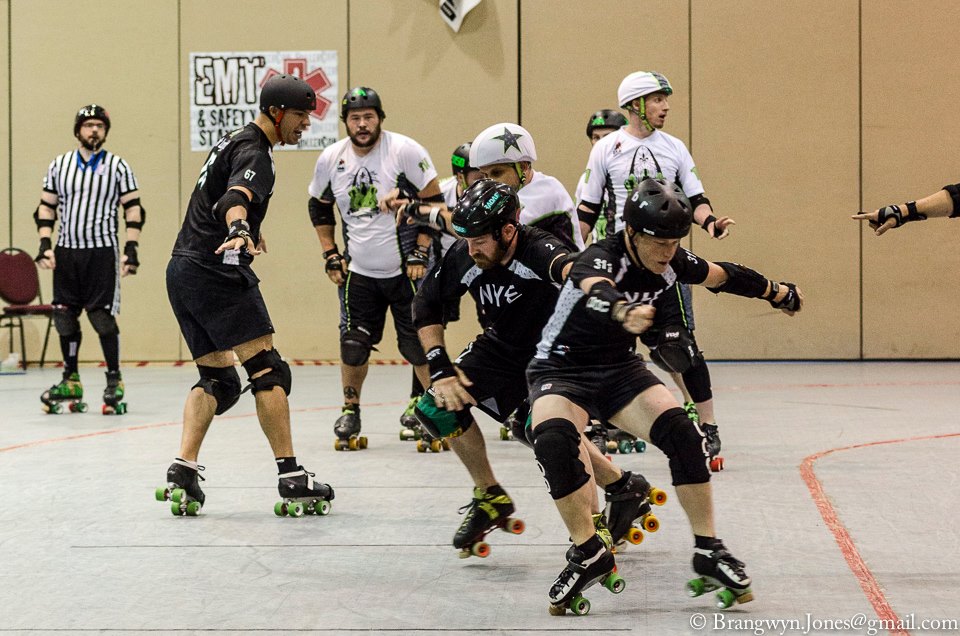
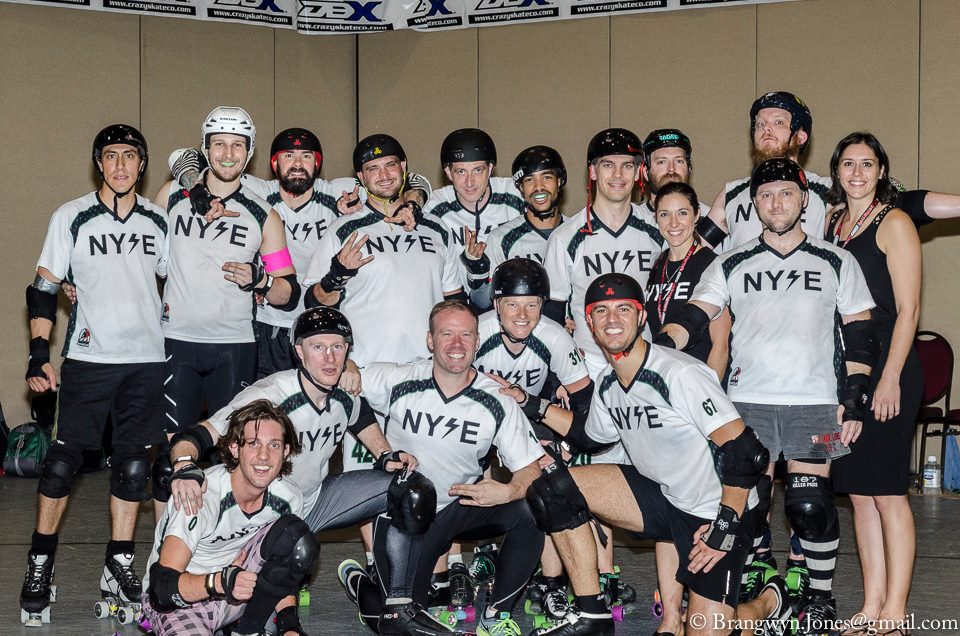
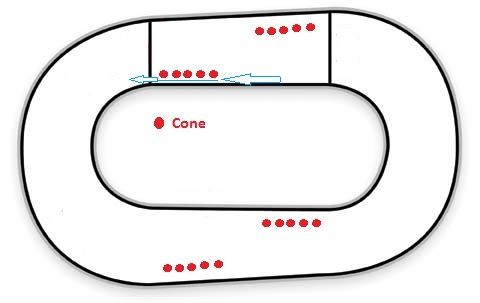


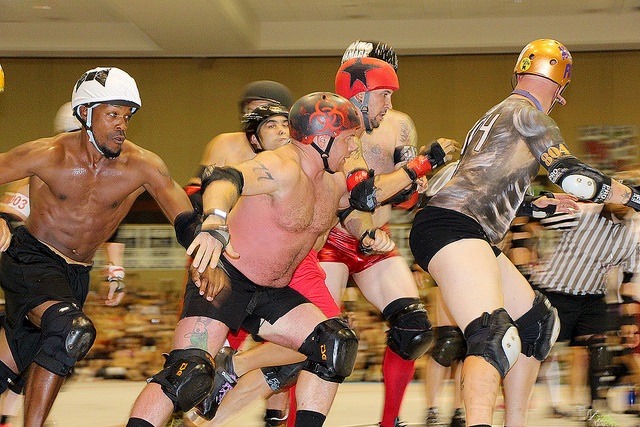

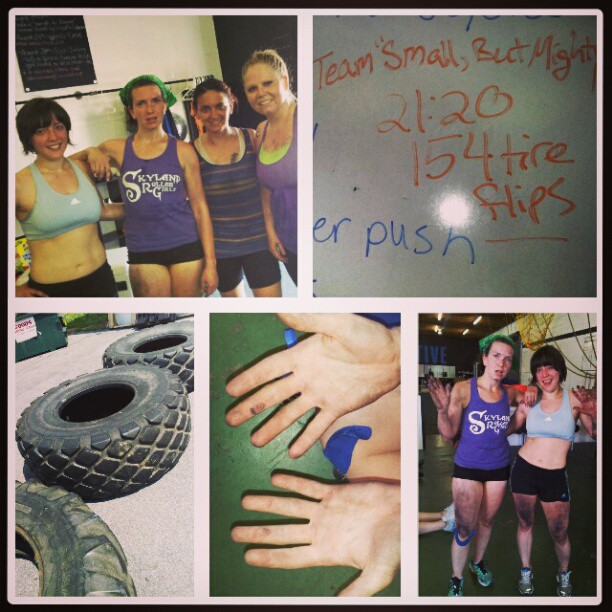
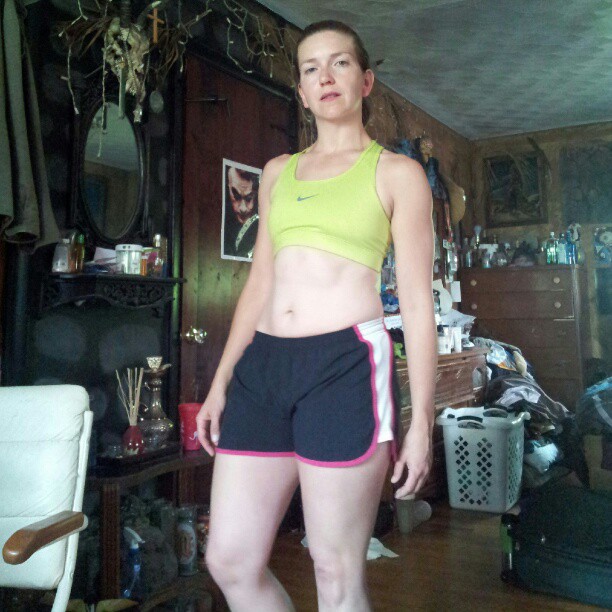
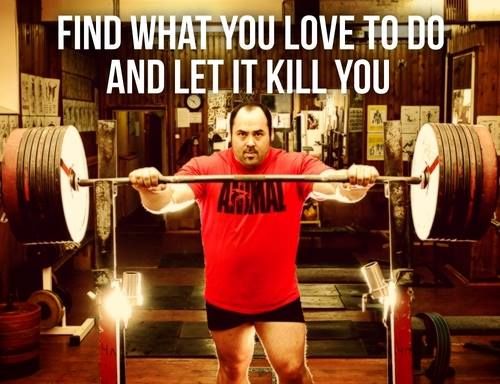
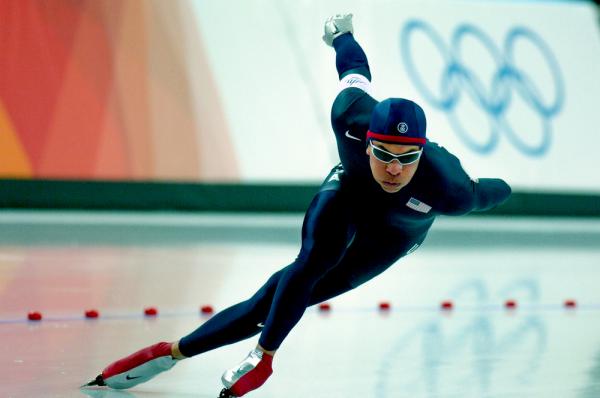


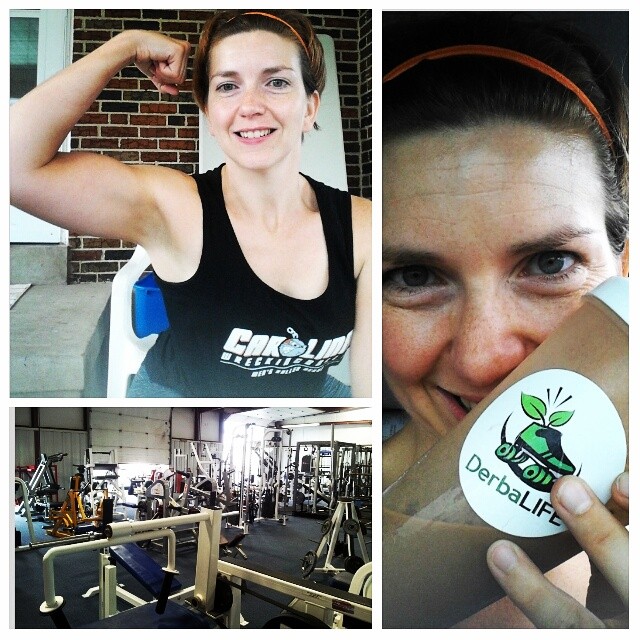
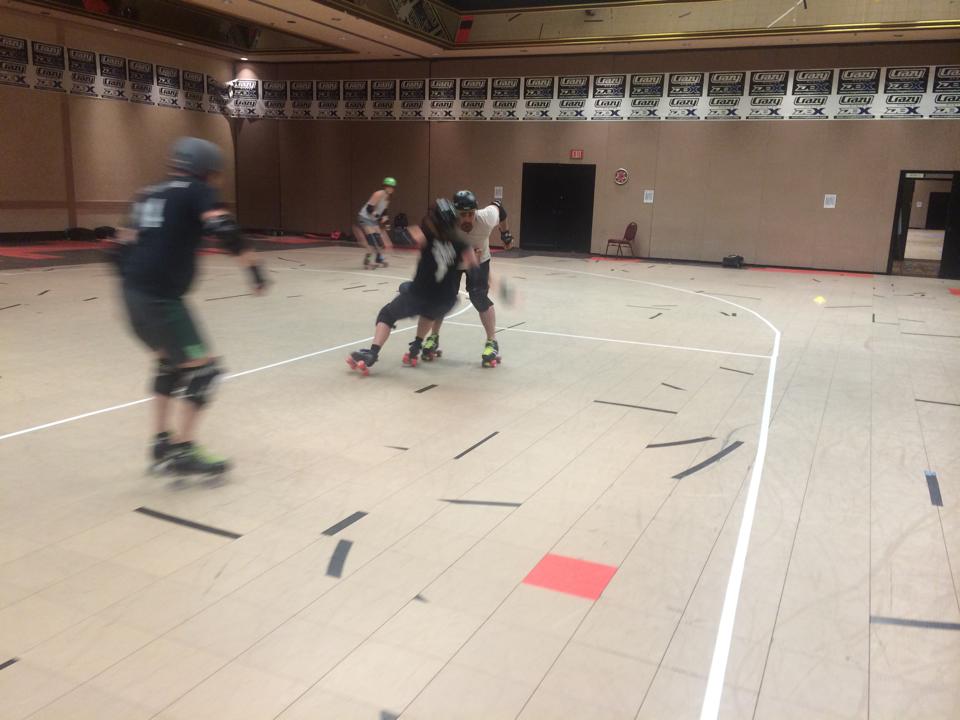


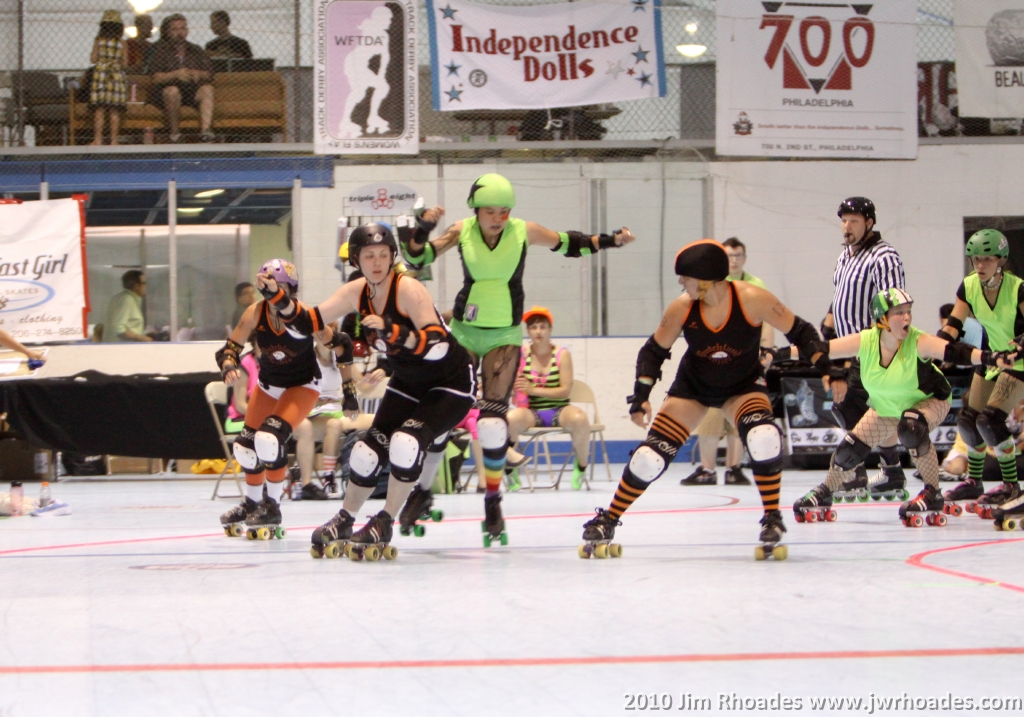
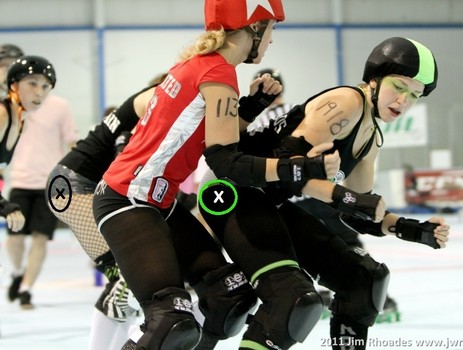


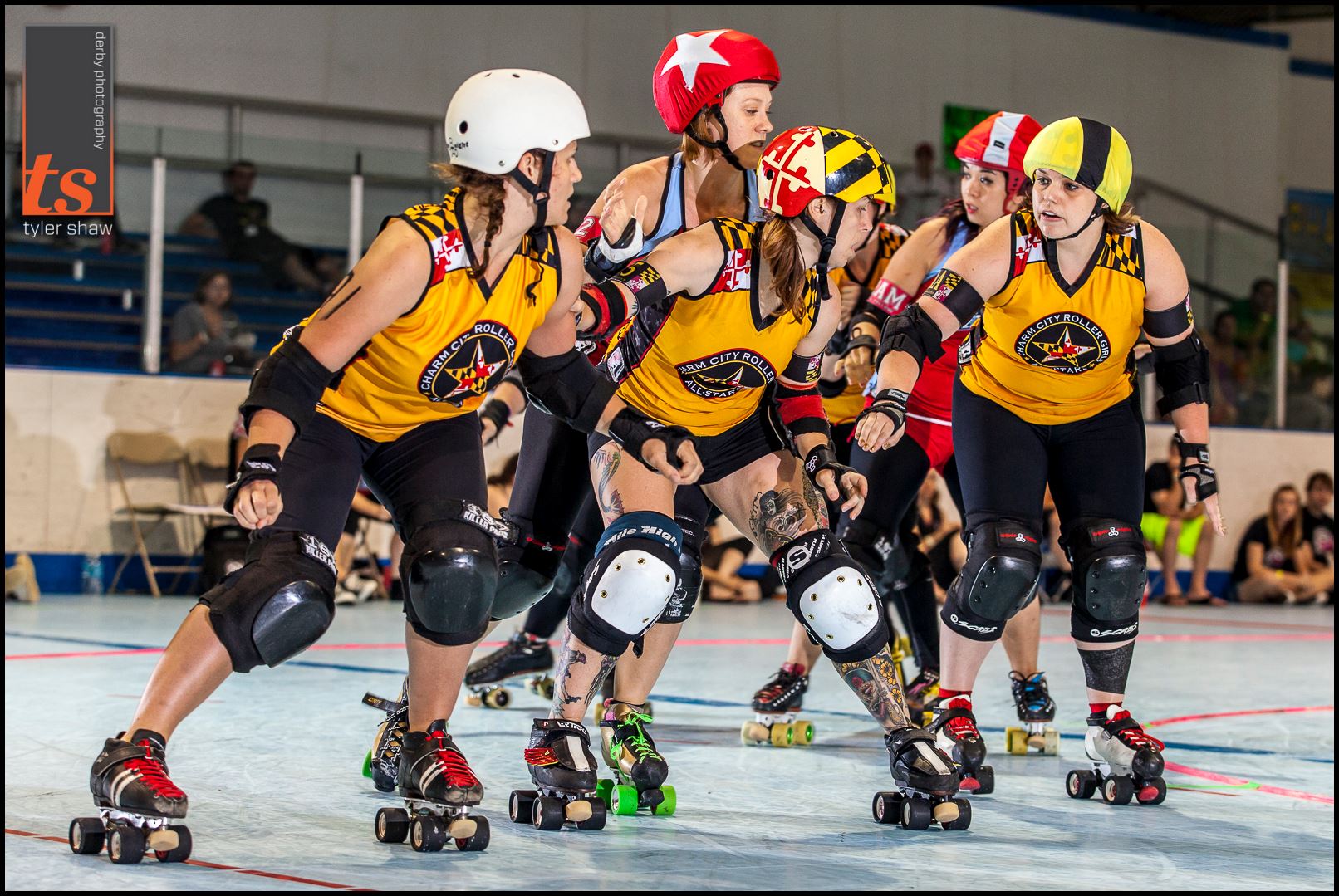


 Khaos Theory Derby